



Automated Material Handling: Driving Efficiency, Safety, and Scalability in Modern Operations
Automated material handling is rapidly transforming warehouses, factories, and distribution centers worldwide. As labor shortages persist and operational complexity increases, automation technologies such as automated guided vehicles (AGVs) and autonomous mobile robots (AMRs) are becoming essential tools for improving throughput, safety, and long-term competitiveness.
This article explores what automated material handling is, how it works, and why it plays a critical role in modern intralogistics strategies.
What Is Automated Material Handling?
Automated material handling refers to the use of automated systems to move, store, control, and protect materials throughout manufacturing, warehousing, and distribution processes. These systems reduce or eliminate the need for manual transport by using robotics, software, and intelligent control systems.
Common automated material handling solutions include:
-
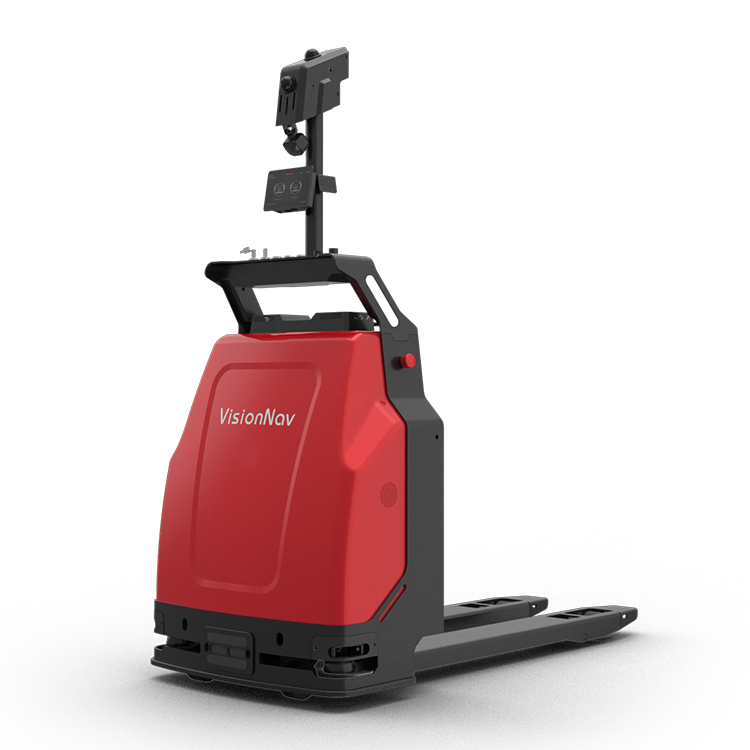
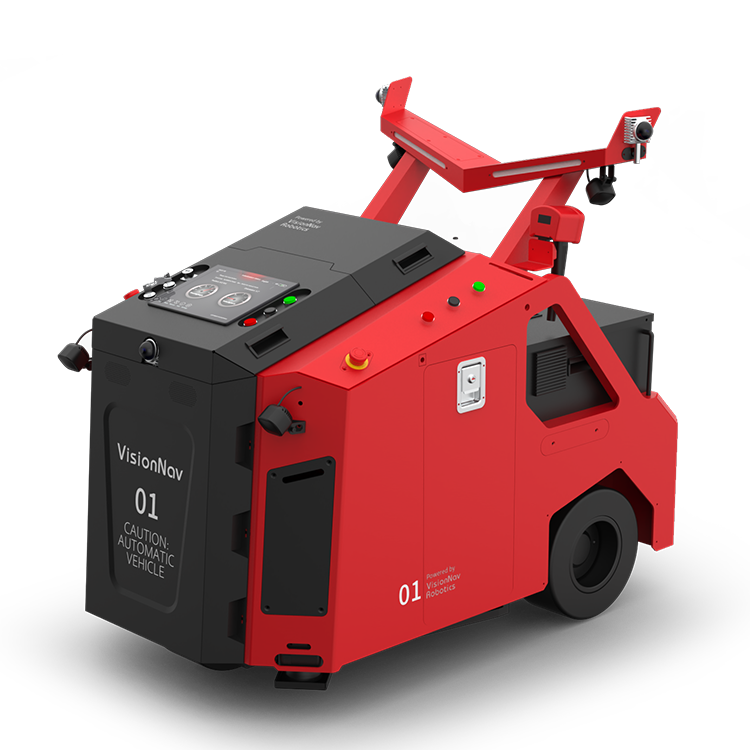
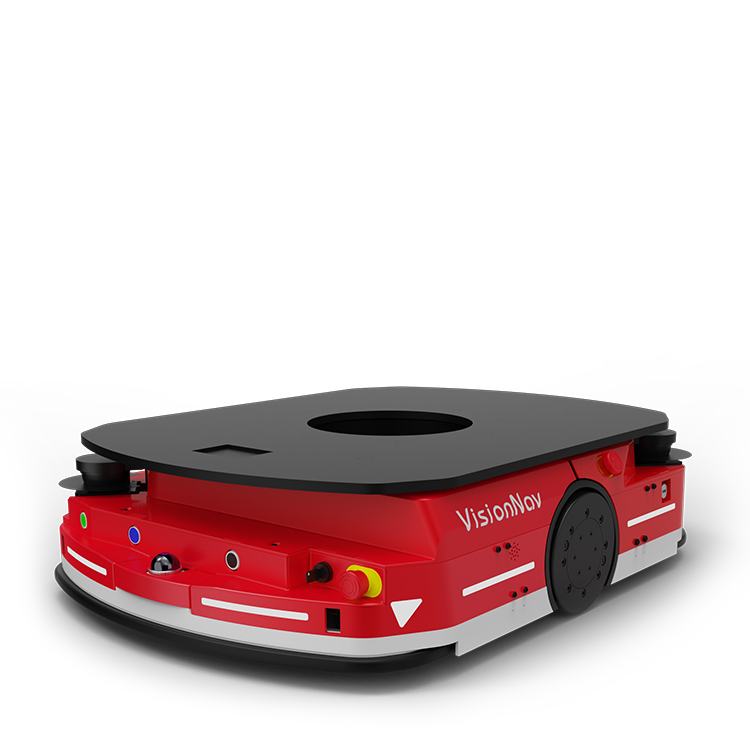
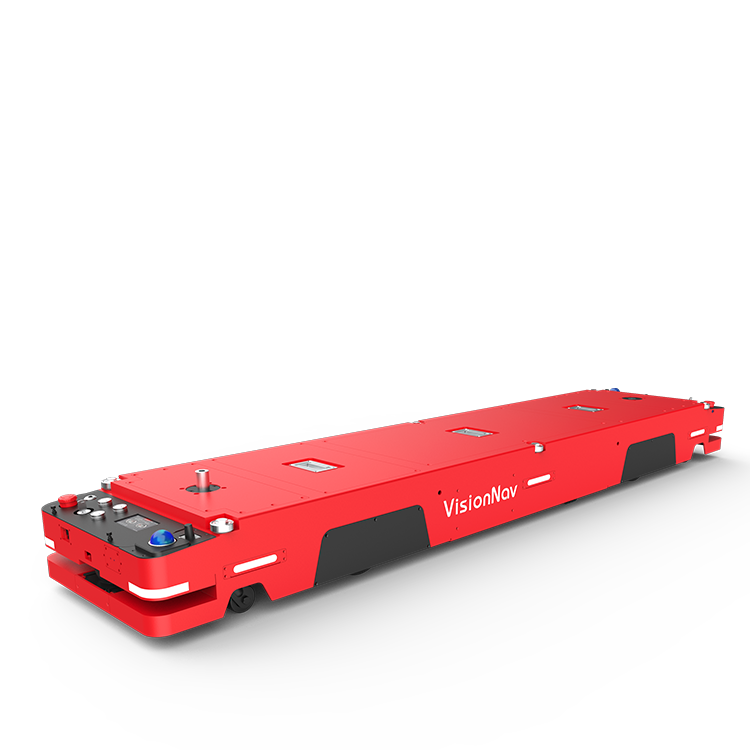
Automated guided vehicles (AGVs)
-
Autonomous mobile robots (AMRs)
-
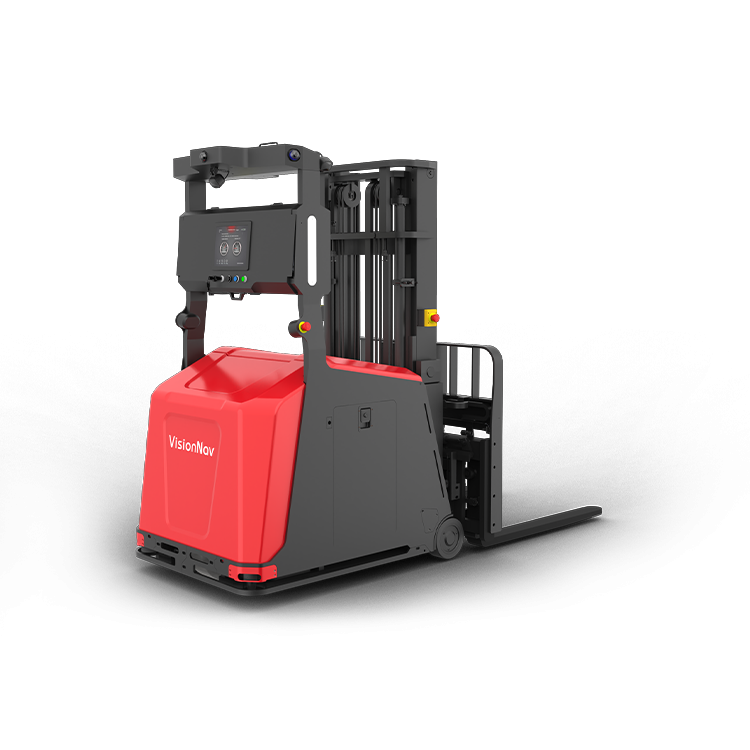
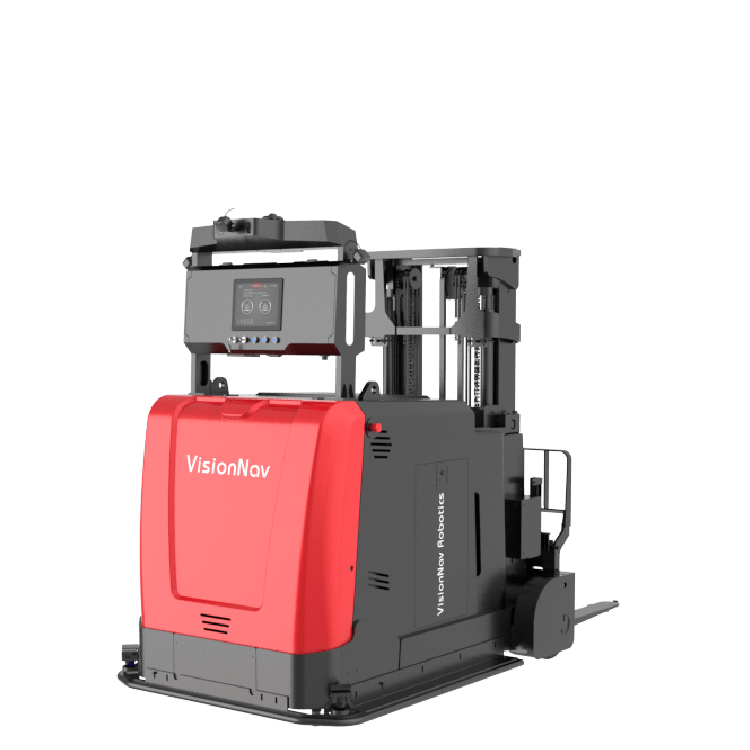
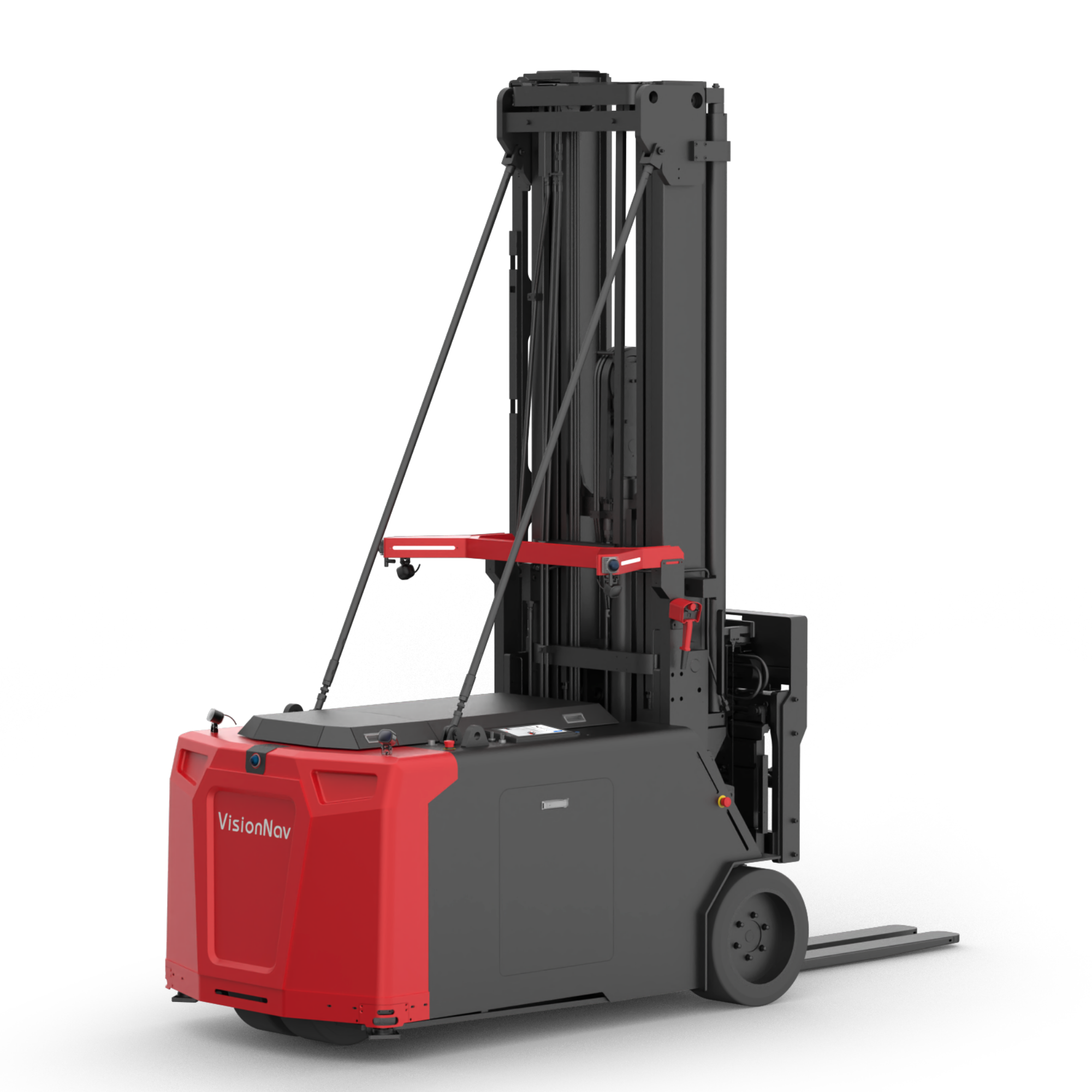
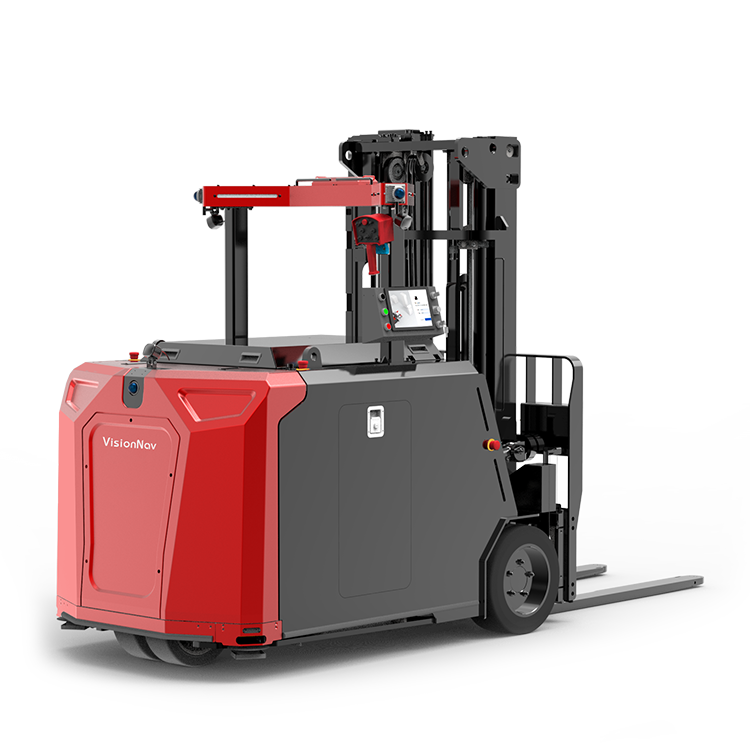
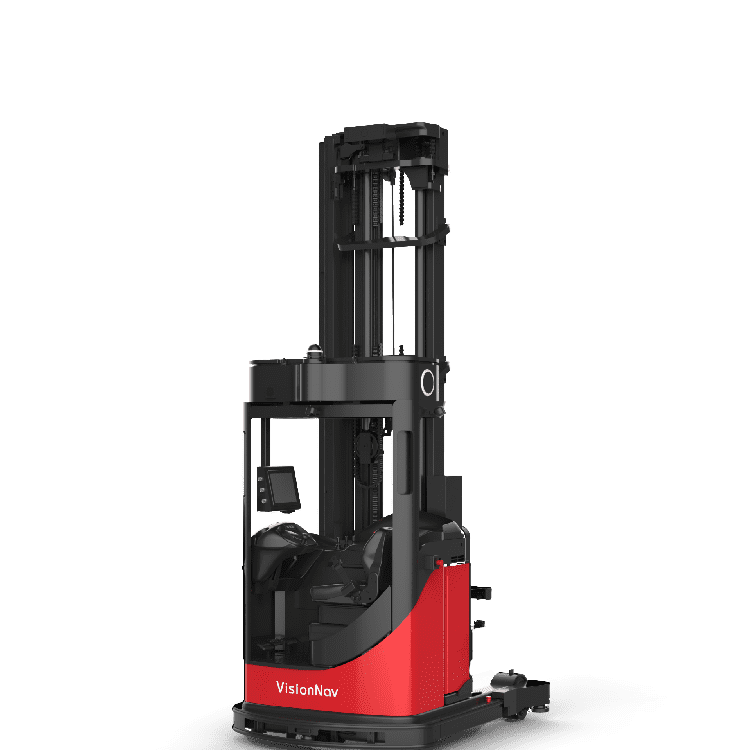
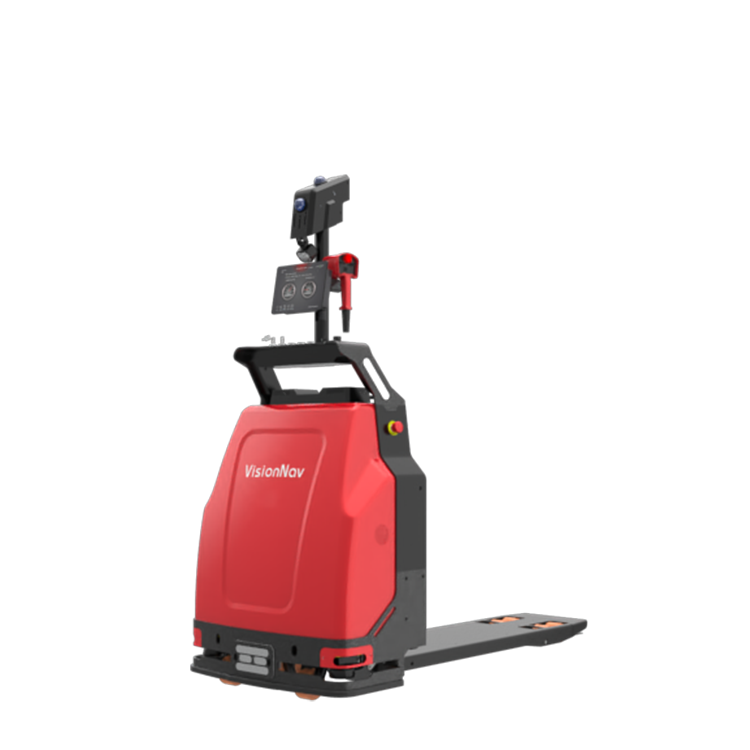
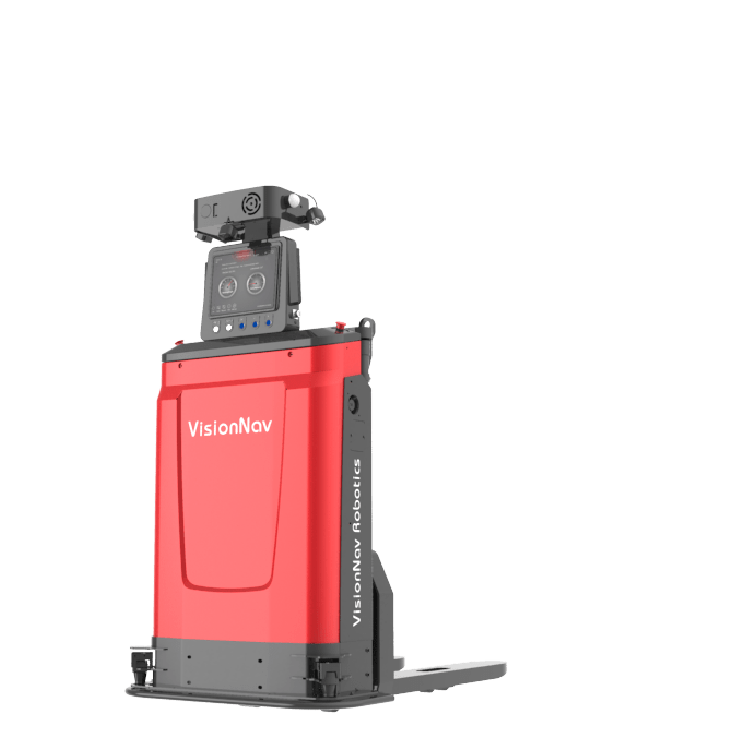
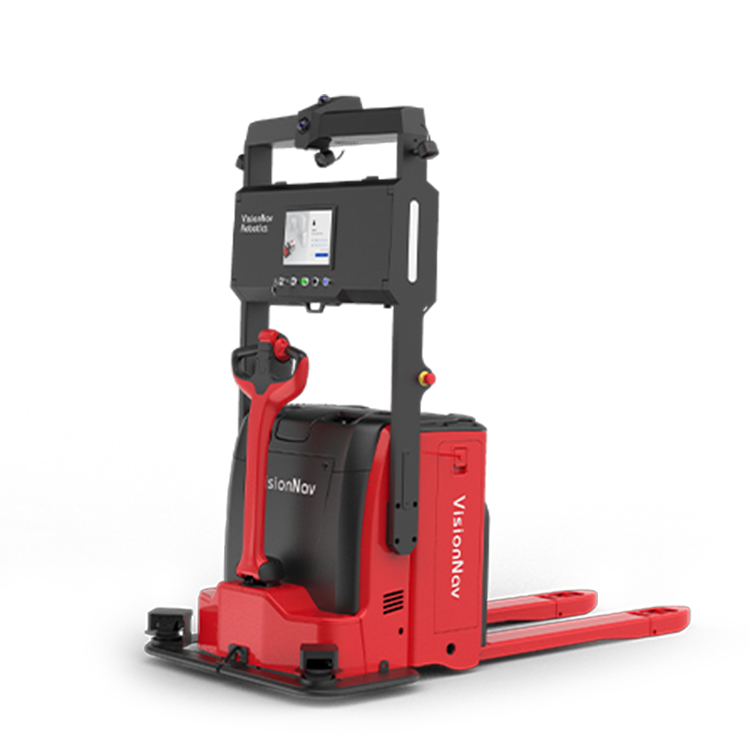
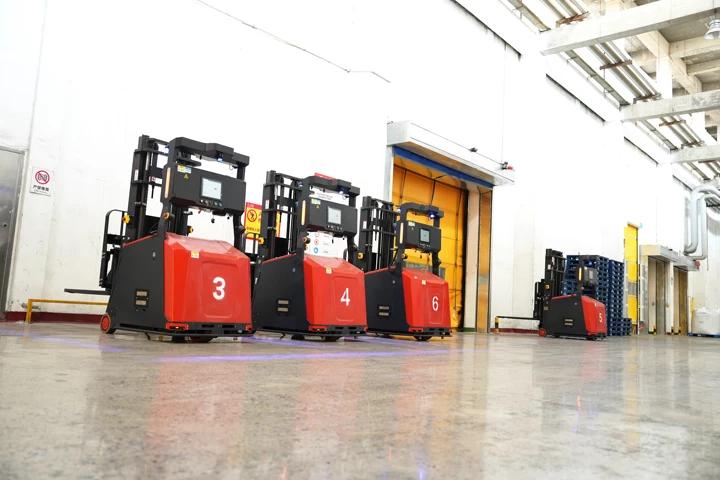
Automated forklifts
-
Conveyor and sortation systems
-
Automated storage and retrieval systems (AS/RS)
Together, these technologies create a more predictable, efficient, and data-driven material flow.
Key Components of Automated Material Handling Systems
1. Automated Vehicles
AGVs and AMRs handle repetitive and high-volume transport tasks such as pallet movement, line feeding, cross-docking, and trailer loading. Advanced navigation technologies allow vehicles to operate safely in dynamic environments alongside people and manual equipment.
2. Intelligent Fleet Management Software
Centralized software platforms manage task allocation, traffic control, and system performance. Integration with warehouse management systems (WMS) and manufacturing execution systems (MES) ensures seamless coordination across operations.
3. Sensors and Safety Systems
Modern automated material handling relies on LiDAR, cameras, and safety-rated sensors to detect obstacles, people, and changes in the environment. These systems help maintain compliance with safety standards while enabling high utilization rates.
4. Infrastructure and Charging Solutions
Automated solutions are supported by smart charging strategies, flexible layouts, and scalable infrastructure that can grow with operational demand.
Benefits of Automated Material Handling
Improved Operational Efficiency
Automated material handling systems operate continuously with consistent performance. This reduces idle time, minimizes errors, and increases throughput, especially in high-volume or multi-shift environments.
Enhanced Workplace Safety
By automating repetitive transport tasks, operations reduce the risk of collisions, fatigue-related incidents, and manual handling injuries. Automated forklifts and AGVs follow predefined safety rules and react faster than human-operated equipment.
Labor Optimization
Automation allows skilled workers to focus on higher-value tasks such as supervision, quality control, and process optimization. This is particularly valuable in regions facing labor shortages or high turnover.
Scalability and Flexibility
Modern automated material handling solutions are designed to scale. Fleets can be expanded, routes adjusted, and workflows optimized without major infrastructure changes.
Automated Material Handling in Real-World Applications
Automated material handling is widely adopted across industries, including:
-
Manufacturing for line-side delivery and finished goods transport
-
Warehousing for pallet handling, storage, and retrieval
-
Automotive and heavy industry for large payload movement
-
Food, beverage, and pharmaceuticals for traceable and hygienic transport
In these environments, automation ensures reliable material flow while maintaining strict safety and quality standards.
The Role of Autonomous Forklifts in Automation Strategies
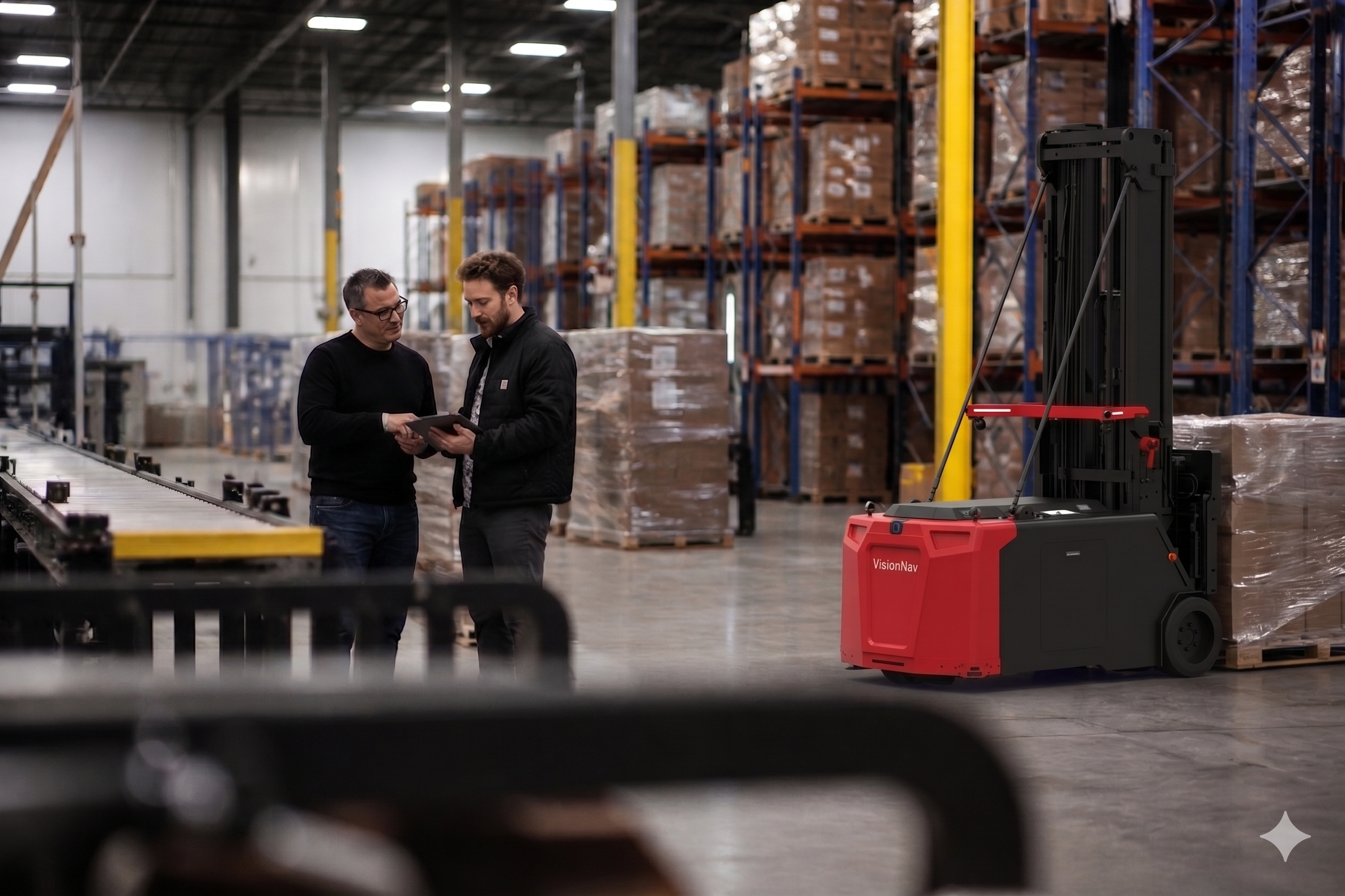
Autonomous forklifts play a central role in automated material handling by replacing manual forklifts in repetitive transport tasks. Unlike traditional fixed automation, autonomous forklifts offer flexibility to adapt to layout changes and evolving workflows.
With advanced perception, precise navigation, and seamless software integration, autonomous forklifts enable operations to achieve higher levels of automation without sacrificing adaptability.
Preparing for an Automated Material Handling Future
Successful automation starts with a clear understanding of operational goals, material flow requirements, and system compatibility. Selecting solutions that support interoperability, scalability, and data visibility is critical for long-term success.
As technology continues to advance, automated material handling will remain a cornerstone of smart factories and intelligent warehouses, enabling safer operations, higher productivity, and sustainable growth.
Conclusion
Automated material handling is no longer a future concept. It is a proven strategy for organizations looking to improve efficiency, safety, and resilience in today’s demanding logistics environments. By adopting intelligent automation solutions, operations can build a foundation for scalable success and long-term competitiveness.
For organizations exploring the next step in automation, automated material handling provides a practical and impactful starting point.