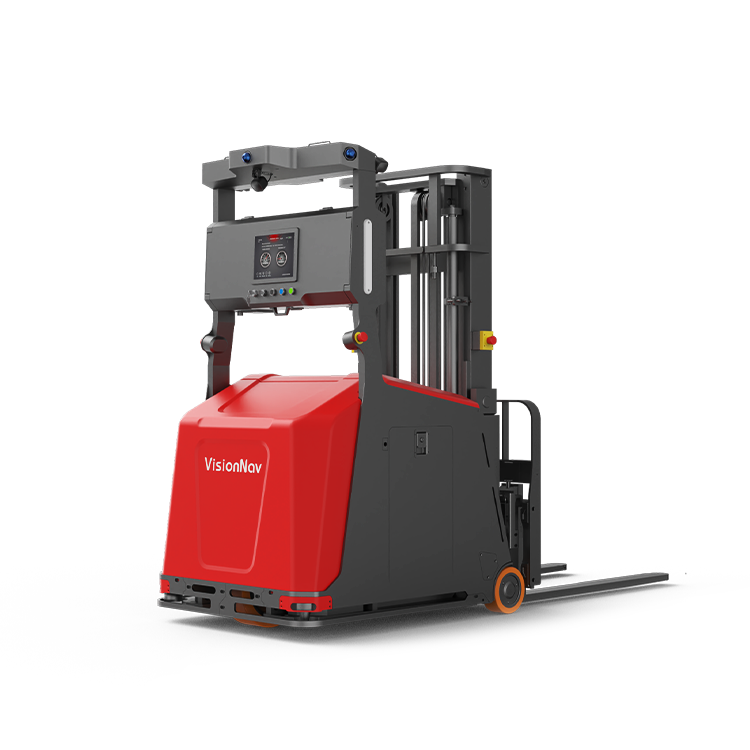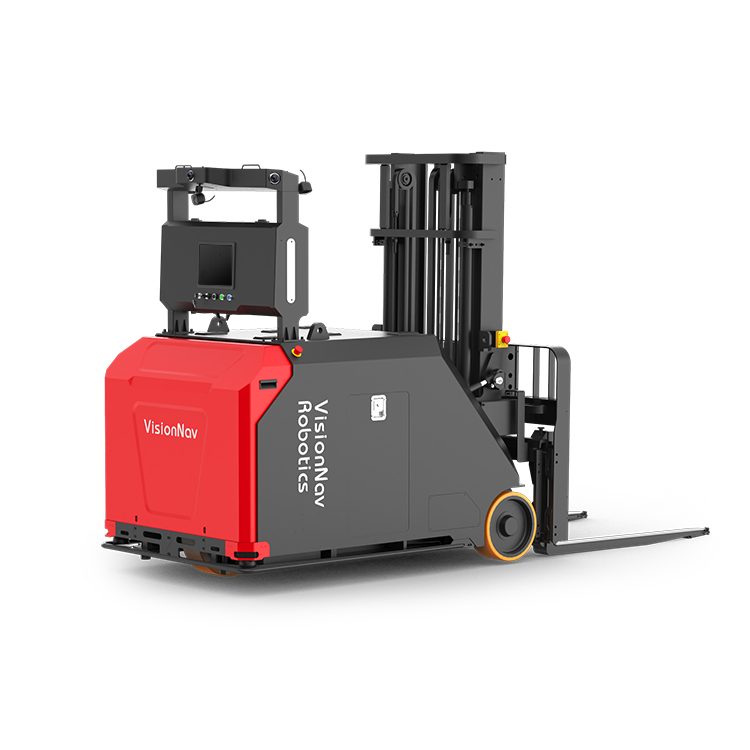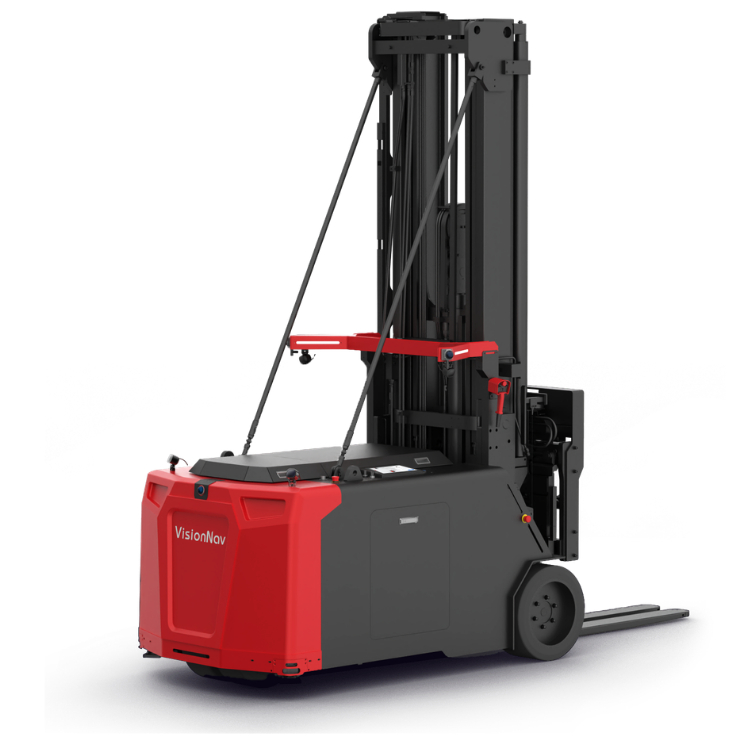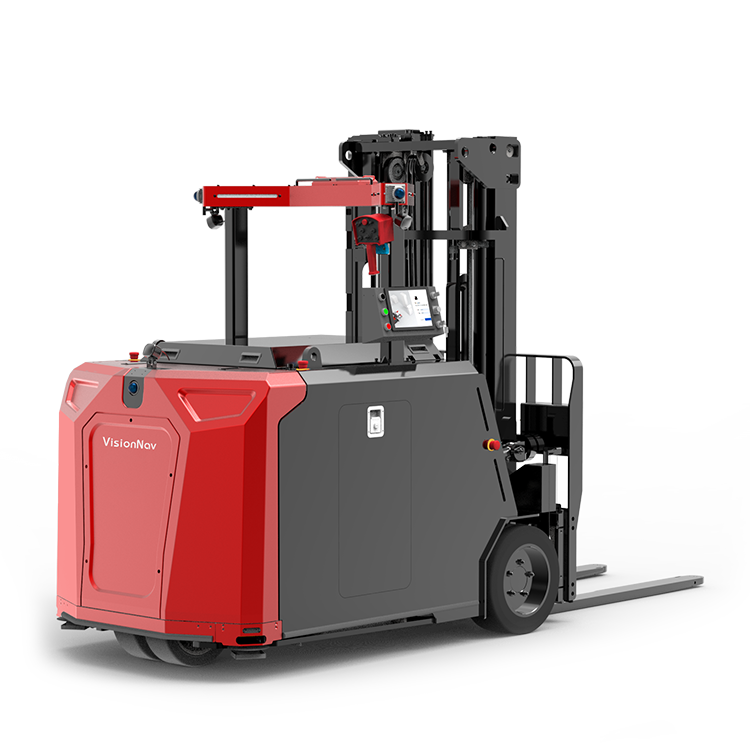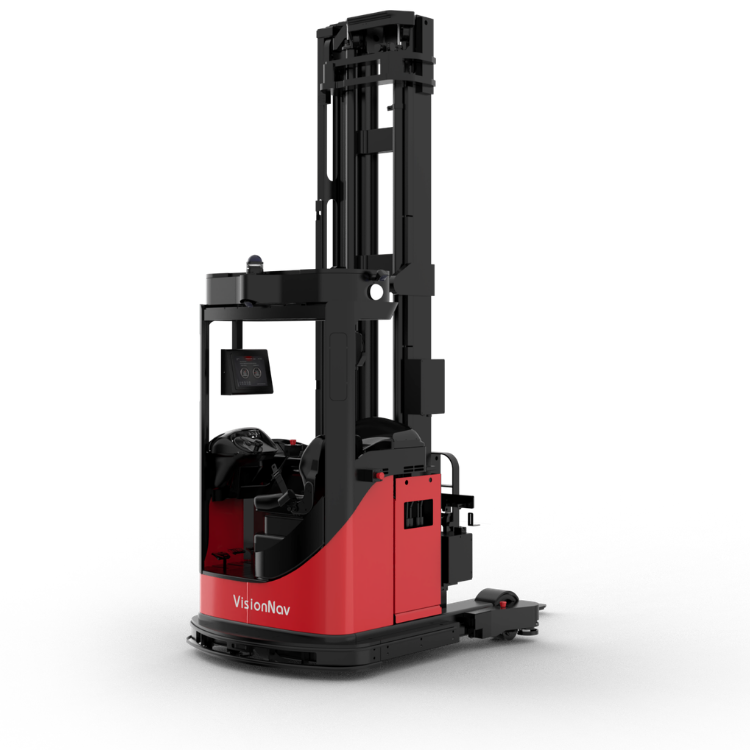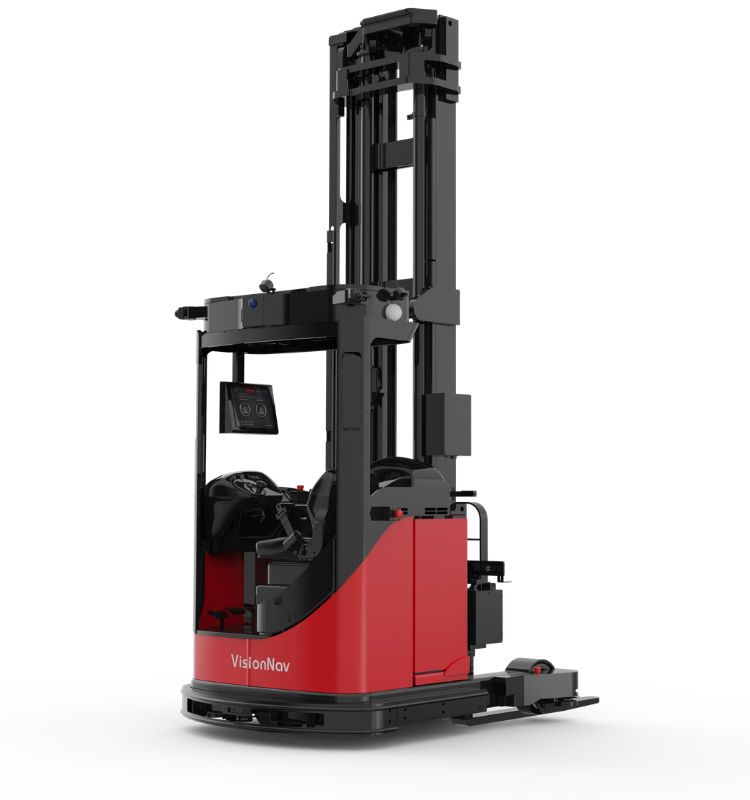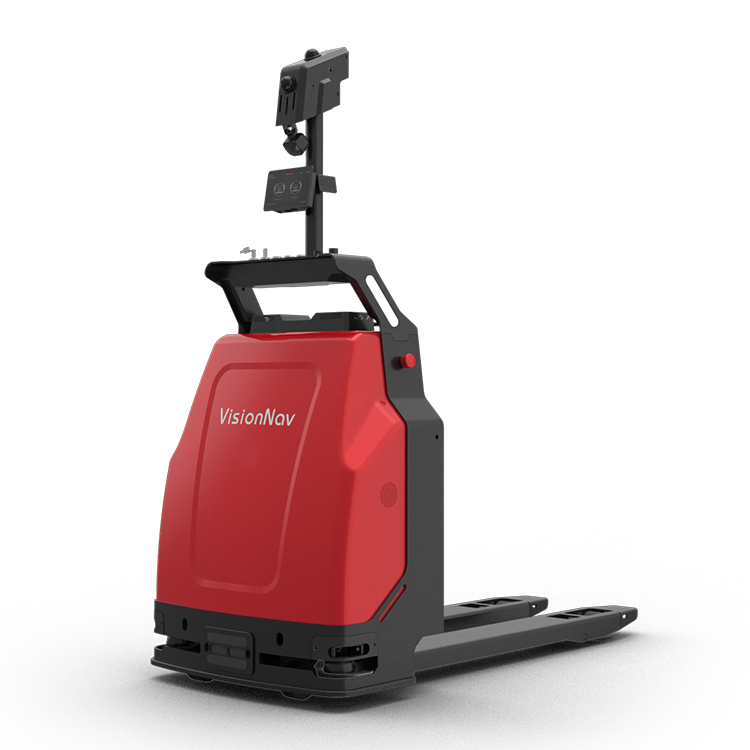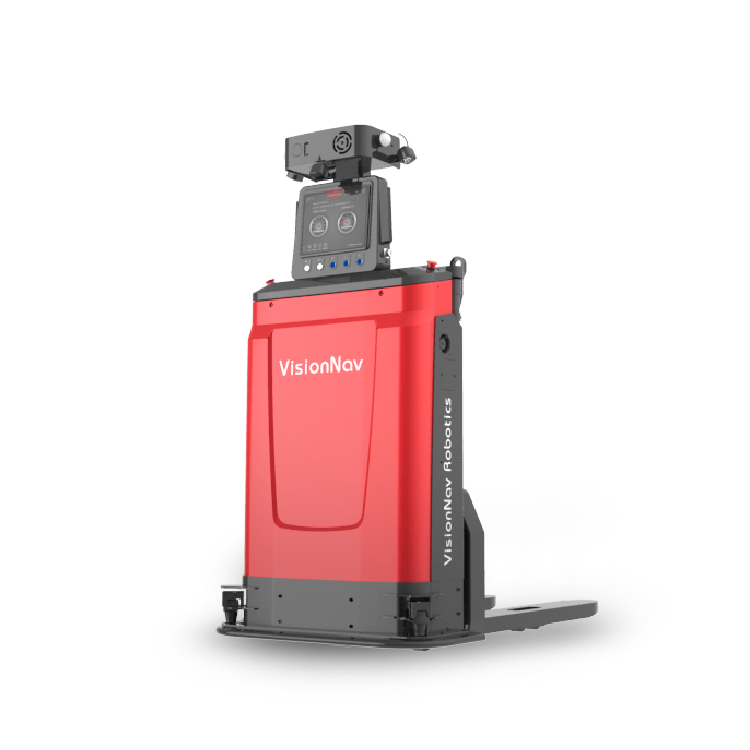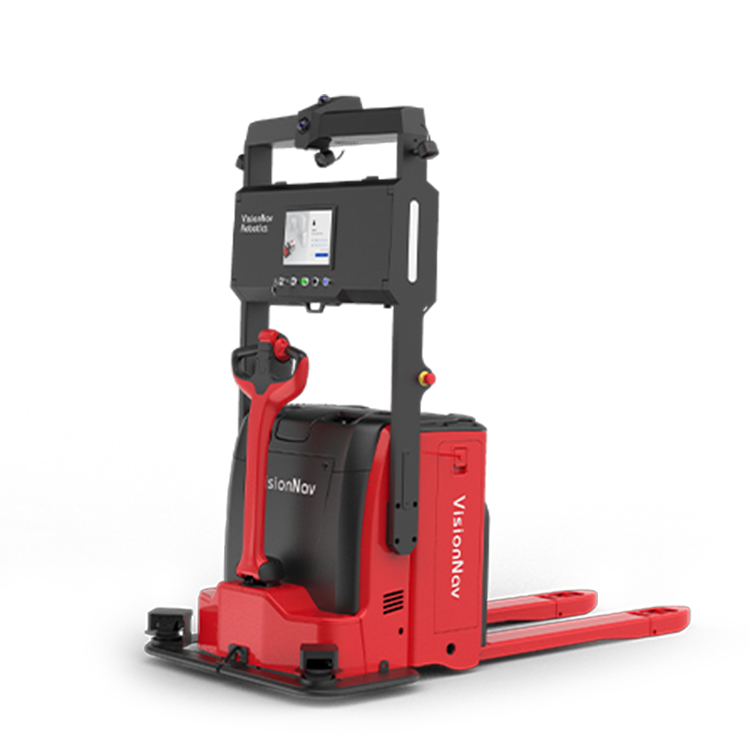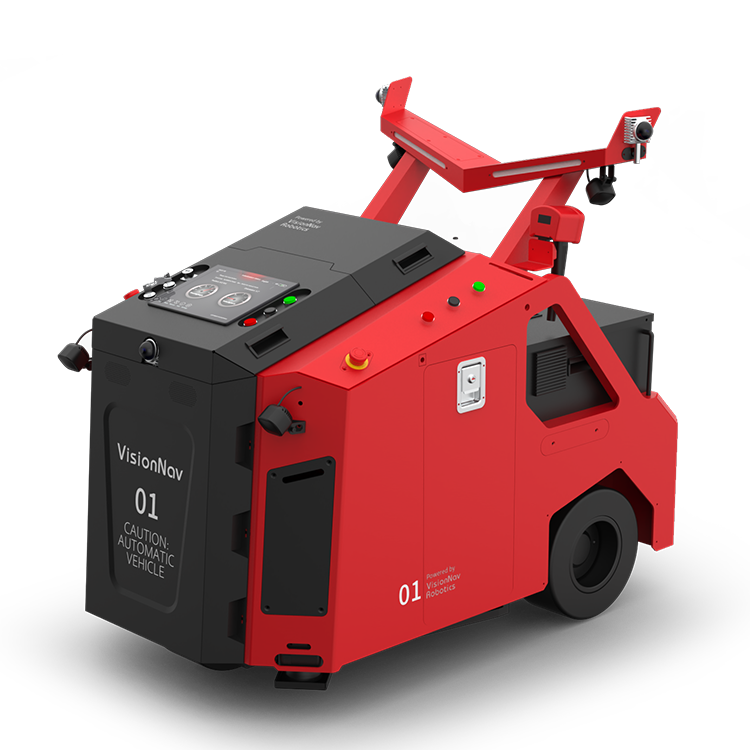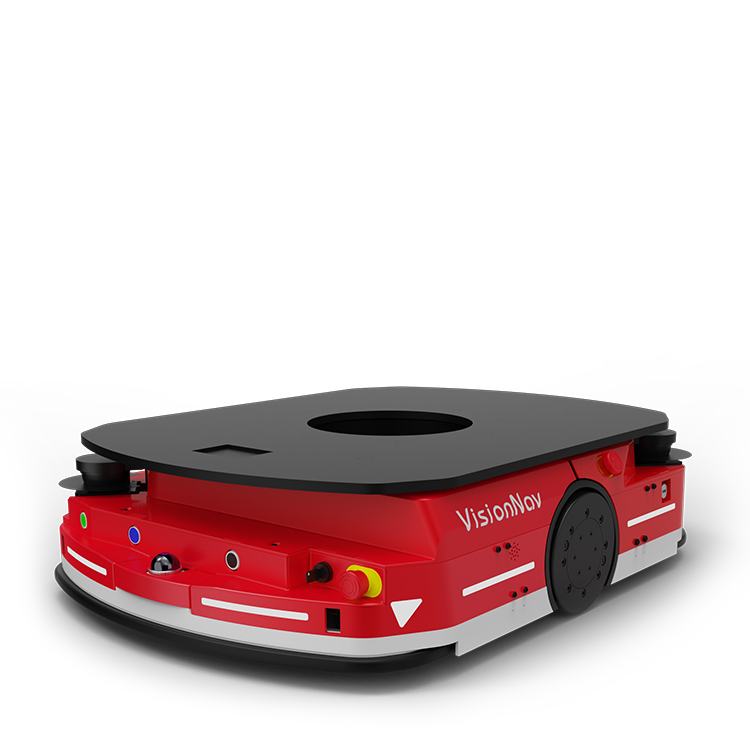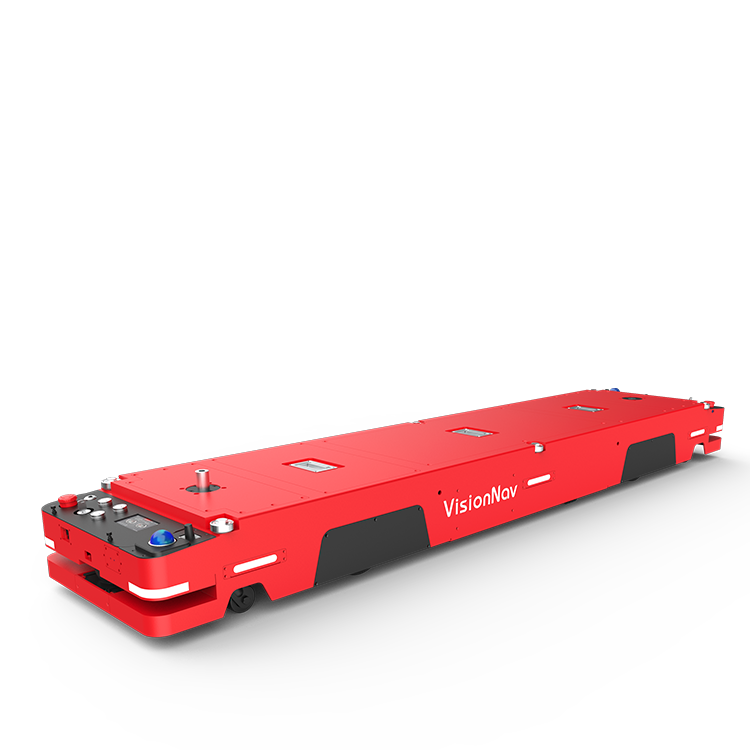

Autonomous counterbalance stackers and counterbalance trucks equipped for cage detection, precise placement, and stack verification can automate automotive cage stacking. VisionNav's VNP has been deployed for four-layer cage stacking, while its VNE40 Autonomous Precision Stacking Solution addresses larger, heavier cages. Selecting the right system depends on the carrier design, loaded weight, stacking method, and operating environment.
For manufacturers and suppliers, the buying question goes beyond whether a forklift can lift a cage. A successful application needs to coordinate pickup, transport, stacking, empty cage retrieval, and the next production task. Buyers should evaluate how the proposed system handles that complete workflow, including situations where a placement cannot be completed.
When evaluating vendors, start with the interaction between the forklift and the cage. Ask the supplier to demonstrate how its system identifies fork pockets, recognizes stacking supports, and verifies placement using representative carriers.
Five capabilities deserve particular attention:
Carrier detection: Can the system recognize the cage sizes and fork-entry geometry used at the facility?
Placement control: How does it adjust for a cage that is offset or rotated within the accepted operating range?
Stack verification: What checks occur before the vehicle releases the load?
Exception recovery: What happens if a placement is rejected or a carrier cannot be recognized?
Workflow coordination: How are full cages, empty cages, and available storage positions managed?
These questions help turn a general product discussion into an application assessment with observable acceptance criteria.
In a documented automotive parts manufacturing application, VisionNav deployed the VNP15 Autonomous Counterbalance Stacker to transport finished goods cages, build four-layer stacks, and destack empty cages.
The project handled three cage sizes and achieved a total stack height of approximately 15.4 feet. Its stacking sequence first created two separate two-cage stacks, then combined them into a four-layer stack.

The system used carrier perception, controlled lifting, and stack alignment checks. When placement conditions were unacceptable, it could back away and retry or notify an operator when intervention was required.
For buyers, this example illustrates why the handling sequence matters. Total stack height and forklift lift height describe different things. Ask vendors to show the exact stacking method, the weight lifted at each step, and how the system retrieves cages afterward.
VisionNav's VNE40-66 Autonomous Precision Stacking Solution was introduced for large-container applications, including automotive facilities. VisionNav reports capabilities for cages up to 8.8 feet wide, loads up to 6,150 pounds, and stacking heights up to 22 feet.
The solution combines sensor fusion with placement monitoring and Smart Retry functionality to address detected misalignment during stacking.

When evaluating this solution, request confirmation of the configuration appropriate for the application. Carrier dimensions, load distribution, required height, and available maneuvering space should all form part of that review.
A useful proposal begins with clear application information. Prepare a carrier and workflow specification that includes:
| Information | What to include |
|---|---|
| Cage design | Dimensions, fork pockets, stacking posts, feet, and drawings |
| Load conditions | Empty and loaded weights, load distribution, and variation |
| Stacking requirements | Number of layers, final height, and retrieval sequence |
| Carrier condition | Representative wear, deformation, or damage |
| Facility layout | Aisles, pickup points, stack locations, and traffic routes |
| Production demand | Peak cage movements, shift patterns, and buffer requirements |
| System connections | Production signals, inventory systems, and task priorities |
Provide examples of the carriers actually used in production, including the variation that the automation system will be expected to handle.
Build the demonstration around the operating conditions that determine project success.
Ask the vendor to demonstrate loaded cage pickup, placement onto an existing stack, empty cage destacking, and recovery from an unsuccessful placement. Include each approved carrier type and define the acceptable range of starting positions.
Agree on measurable acceptance criteria before testing. Depending on the project, these may include:
Completed cage movements per hour
Successful placements across an agreed number of cycles
Frequency and duration of operator interventions
Recovery time after a rejected placement
Correct handling of storage locations and task priorities
Request a clear explanation of conditions that require operator intervention, such as a damaged carrier or an obstruction. Plant teams should know how to recognize these situations and follow a documented recovery procedure.
Cage stacking is one part of the production cycle. The proposed system also needs to support how finished goods leave the line, how cages enter storage, and how empty carriers return for reuse.
Ask how the solution prioritizes production demand, records storage occupancy, and coordinates transport with stacking. Include customer training, preventive maintenance, spare parts planning, and remote escalation procedures in the project discussion.
This gives buyers a clearer view of the resources needed to operate and maintain the application over time.
The best starting point is a defined workflow and a representative set of carriers. From there, buyers can evaluate the vehicle configuration, placement checks, recovery behavior, and demonstrated throughput against their requirements.
VisionNav's VNP15 and VNE40-66 provide two options to explore for automotive cage handling. Application testing should establish which configuration and stacking strategy fit the facility.
Planning to automate automotive cage handling? Contact VisionNav to discuss carrier requirements and an application-specific demonstration.