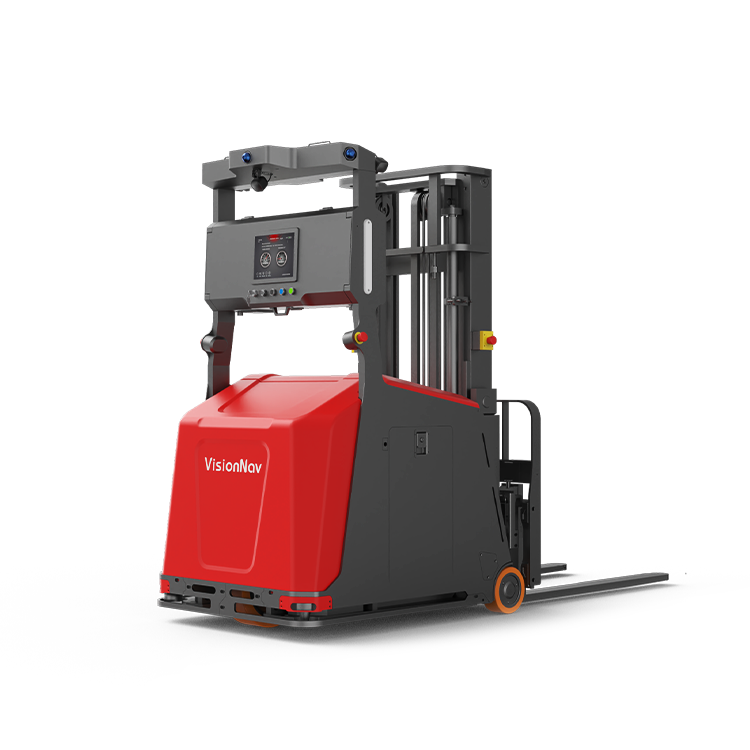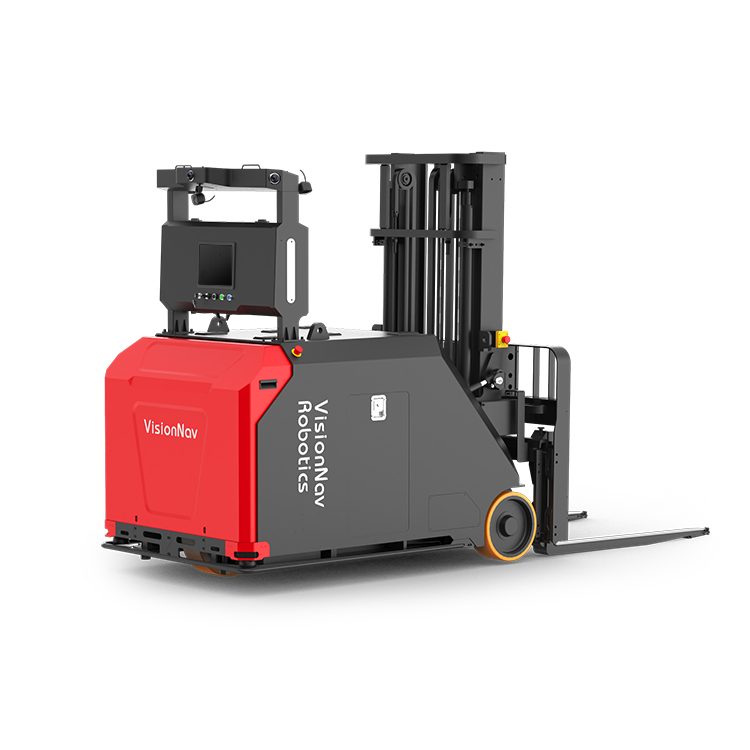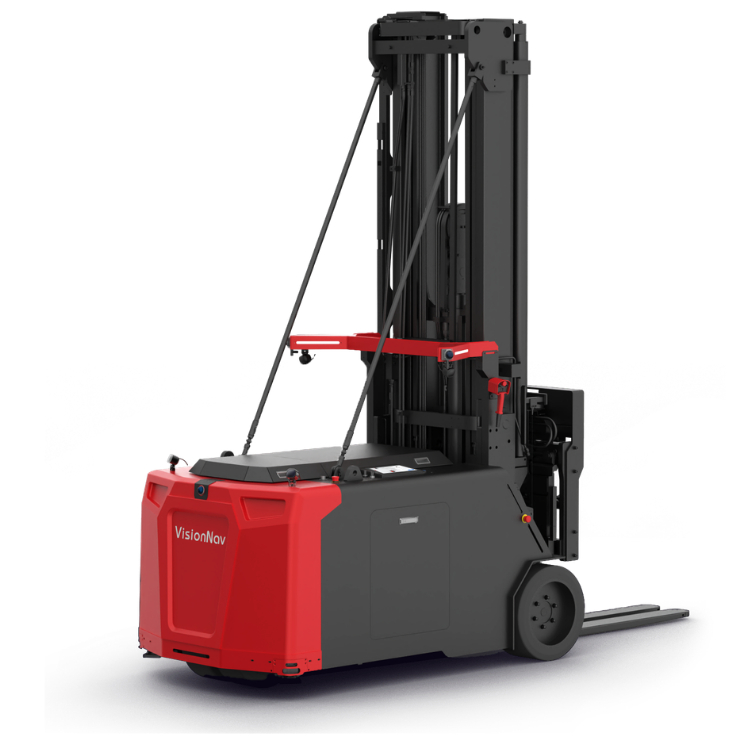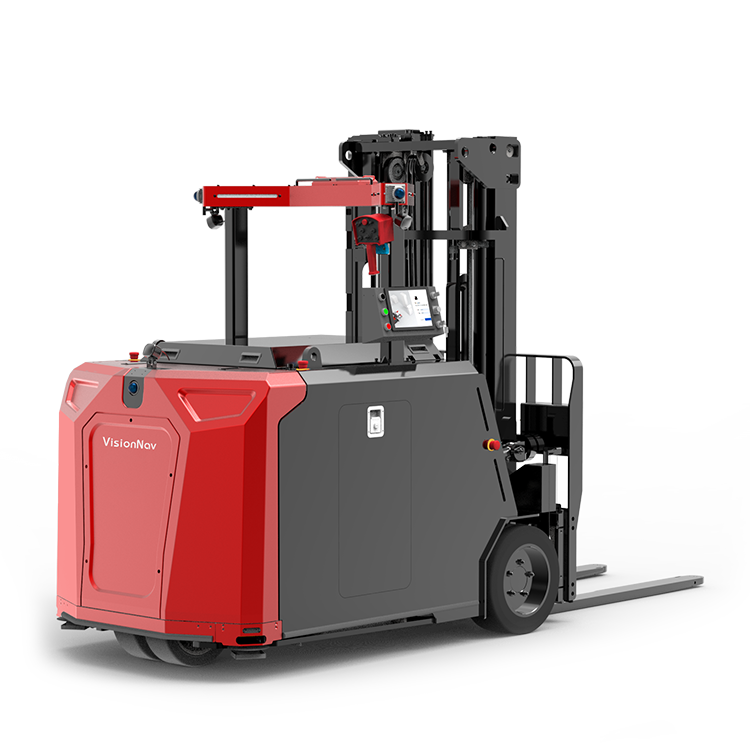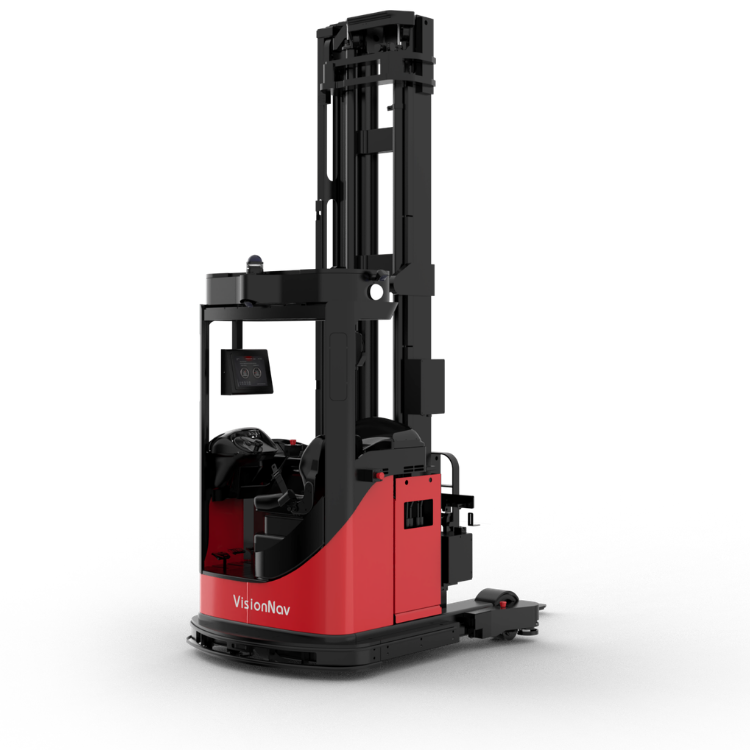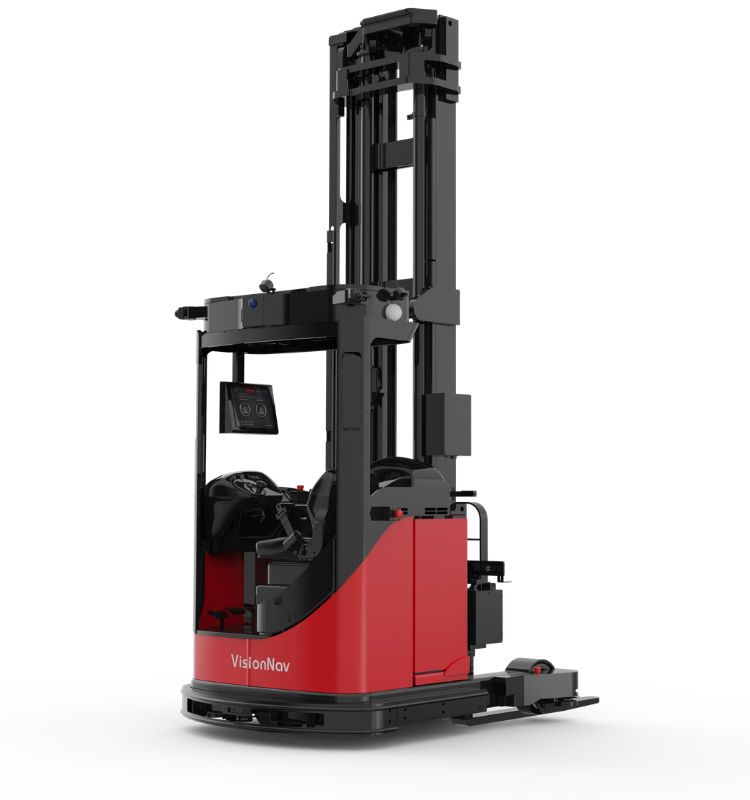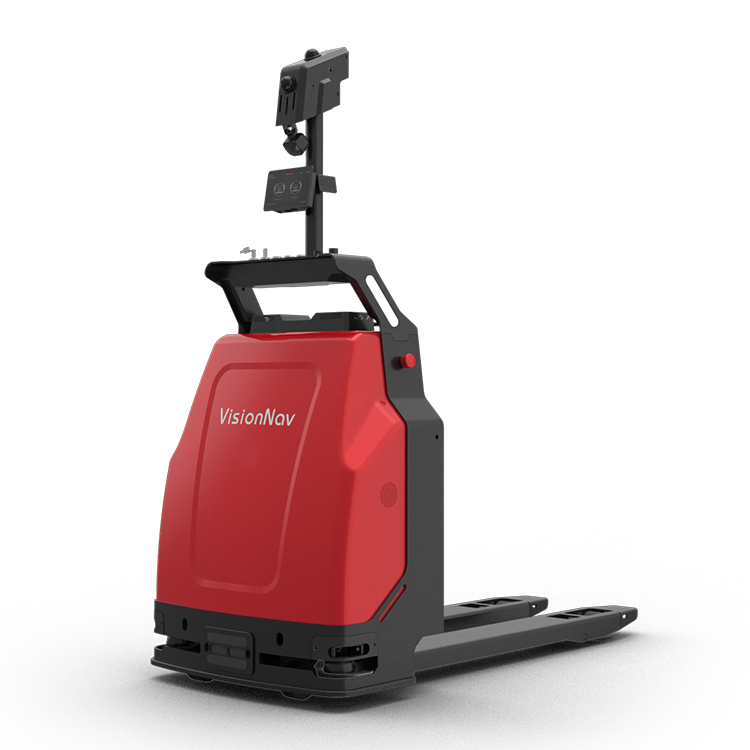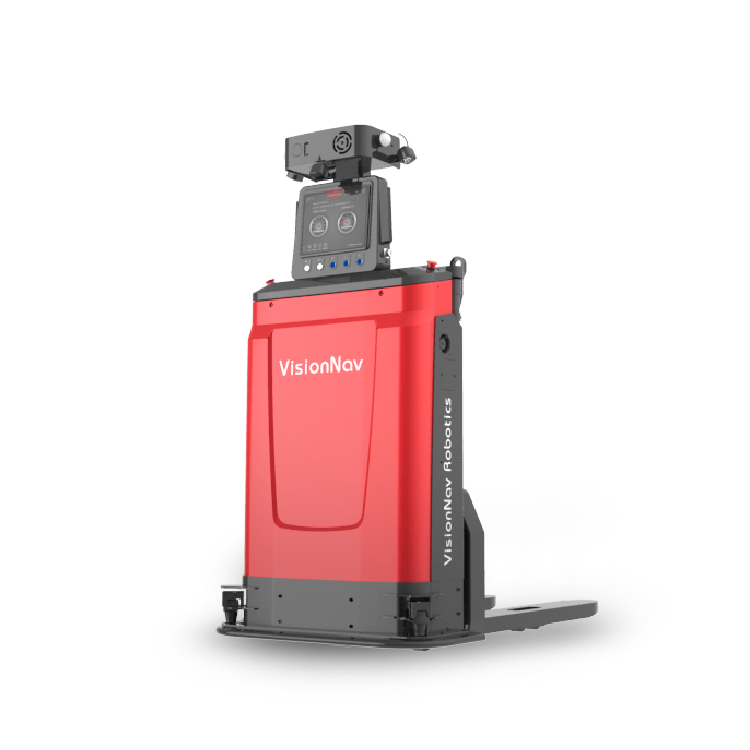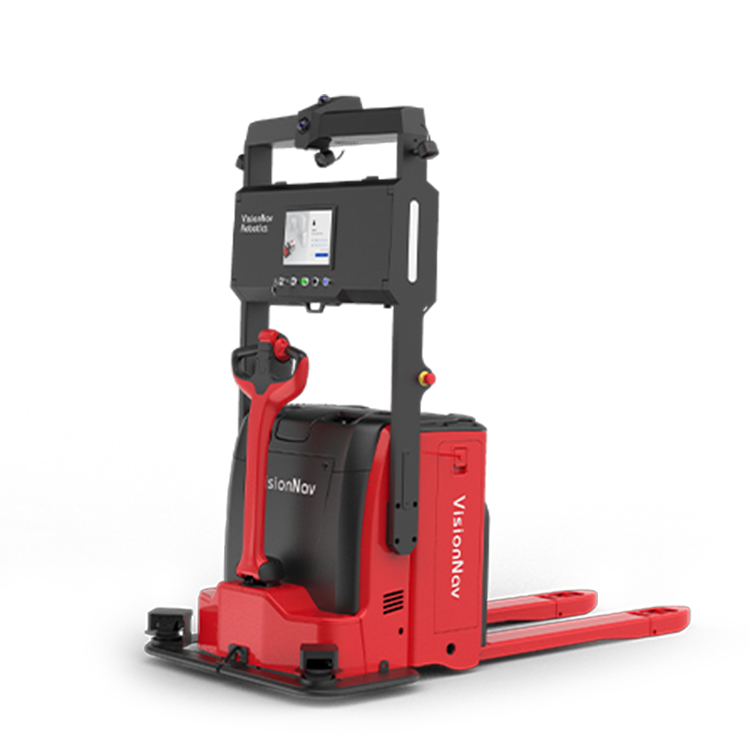

When evaluating autonomous forklift ROI, labor savings are only part of the equation. Discover four workforce metrics that can reveal the broader financial and operational value of warehouse automation.
For many manufacturers and warehouse operators, the business case for automation begins with a familiar calculation: How many labor hours can be saved, and how quickly will the investment pay for itself?
It's an important question, but it doesn't tell the whole story.
Traditional return on investment (ROI) models for autonomous forklifts often focus on direct labor costs, equipment utilization, and throughput improvements. While these metrics provide a useful starting point, they can overlook workforce-related costs that affect long-term operational performance.
Workplace injuries, employee turnover, training requirements, and limited opportunities for workforce development all carry financial implications. These costs may be distributed across different departments, making them less visible in a conventional automation ROI calculation.
For organizations evaluating autonomous forklifts and other material handling automation technologies, a more comprehensive approach can reveal opportunities to improve both operational efficiency and workforce performance.
Here are four workforce metrics that deserve a place in the automation ROI equation.
Safety is a fundamental consideration in any material handling operation, but its financial impact is not always fully represented in automation ROI calculations.
Forklift operations involve inherent risks, particularly in facilities with heavy loads, frequent vehicle movements, narrow aisles, and shared pedestrian traffic. An incident can result in more than immediate medical expenses or equipment damage.
Potential costs include:
Workers' compensation claims and associated expenses
Lost productivity during employee absences or incident investigations
Overtime or temporary labor required to cover staffing gaps
Equipment repairs and damaged inventory
Administrative time devoted to reporting, investigations, and corrective actions
These expenses can accumulate across a facility, even when serious incidents are relatively infrequent.
Autonomous forklifts are designed to execute material handling tasks using technologies such as LiDAR, cameras, obstacle detection, and controlled navigation.
When properly deployed and integrated into a facility's safety procedures, these systems can help reduce certain risks associated with manual forklift operation, including operator fatigue, inconsistent driving behavior, and human error during repetitive transport tasks.
However, automation does not eliminate workplace hazards. Facilities must still account for pedestrian interactions, load stability, system maintenance, and safe operating procedures.
Rather than assigning an assumed percentage reduction in accidents, organizations should evaluate their existing safety performance and estimate the potential financial impact of reducing specific risks.
Useful metrics include:
Forklift-related incident and near-miss rates
Average direct and indirect cost per incident
Lost workdays associated with material handling injuries
Equipment and inventory damage costs
Safety-related operational downtime
ROI consideration: What is the annual cost of forklift-related incidents, and how might reducing exposure to specific operational hazards affect that cost?
Safety improvements should be measured against actual post-deployment performance rather than treated as guaranteed savings.

Training is essential to safe and productive warehouse operations. However, the time and resources required to onboard, certify, and continuously train forklift operators represent an ongoing operational investment.
New operators need time to become familiar with equipment, facility layouts, load handling procedures, and safety requirements. Even experienced employees may require additional training when workflows, equipment, or operating environments change.
The financial impact extends beyond formal training expenses.
Supervisors and experienced operators often spend valuable working hours supporting new employees. During this period, productivity may also be lower as new team members gain experience.
Autonomous forklifts can reduce the amount of routine manual driving required in certain workflows, potentially reducing dependence on continuously training new employees for those specific tasks.
Instead, workforce training can shift toward higher-level operational responsibilities, including:
Supervising automated material handling workflows
Monitoring fleet performance and system alerts
Managing exceptions and operational interruptions
Coordinating material movement between automated and manual processes
Performing routine system checks and basic troubleshooting
This does not mean autonomous systems require no training. Employees still need to understand how to interact safely with the technology, respond to exceptions, and follow established operating procedures.
The difference is that training can become less focused on repetitive equipment operation and more focused on managing an increasingly automated environment.
Organizations should evaluate both the training costs associated with current manual operations and the ongoing training requirements of an automated facility.
Relevant metrics include:
Average training hours per new forklift operator
Supervisor hours dedicated to onboarding
Time required for employees to reach target productivity
Annual recertification and refresher training costs
Training hours required for automation operators and maintenance personnel
ROI consideration: How much does the organization spend annually training employees for repetitive material handling tasks, and how would those costs change under an automated operating model? This should be weighed against autonomous forklift cost.
The most accurate calculation accounts for both training time saved and new automation-related training investments.

Warehouse employee turnover can create significant operational challenges, particularly in facilities with physically demanding work, repetitive tasks, or difficult-to-fill shifts.
When an experienced forklift operator leaves, the organization may incur costs associated with recruiting, onboarding, training, and temporarily reduced productivity.
Repeated turnover can also affect workflow consistency, increase pressure on remaining employees, and place additional demands on supervisors.
Yet these costs are rarely included in the initial business case for warehouse automation.
Autonomous forklifts can take over certain repetitive material handling activities, allowing employees to spend more time on tasks requiring judgment, coordination, and problem-solving.
For example, rather than repeatedly transporting pallets between fixed locations, employees may be reassigned to oversee automated operations, manage inventory exceptions, or support production-critical activities.
This shift can potentially improve job quality by reducing some physically demanding or monotonous responsibilities.
It can also help facilities manage staffing shortages without relying exclusively on continuous recruitment for repetitive transport positions.
However, employee retention is influenced by many factors, including compensation, management, scheduling, workplace culture, and career development. Automation alone does not guarantee lower turnover.
Facilities can begin by understanding the actual cost of employee turnover within their material handling operations.
Relevant metrics include:
Annual turnover rate among forklift operators
Average recruiting and onboarding cost per replacement
Time required to fill open positions
Overtime and temporary staffing costs during vacancies
Productivity losses associated with unfilled positions
ROI consideration: What does employee turnover cost the facility annually, and could changes to job responsibilities, working conditions, and staffing requirements reduce that expense?
Retention-related benefits should be evaluated over time, with particular attention to whether automation-supported roles improve employee satisfaction and workforce stability.
One of the most overlooked benefits of material handling automation is its potential to change how employees contribute to the operation.
In a traditional warehouse environment, skilled employees may spend substantial portions of their shifts performing repetitive transportation tasks.
While these activities are necessary, they may leave limited time for process improvement, inventory management, equipment optimization, and other responsibilities that require human expertise.
Autonomous forklifts create opportunities to redistribute some of this work.
As facilities introduce autonomous material handling systems, new responsibilities may emerge across operations, maintenance, and warehouse management.
Employees can develop skills in areas such as:
Fleet supervision: Monitoring autonomous vehicle activity and coordinating daily operations
System troubleshooting: Identifying and resolving routine workflow interruptions
Data analysis: Using operational information to identify bottlenecks and improve material flow
Process optimization: Improving workflows based on production priorities and facility requirements
Automation maintenance: Supporting preventive maintenance and system availability
These capabilities can become increasingly valuable as facilities expand their automation infrastructure.
For organizations facing labor shortages or planning long-term operational growth, developing these skills internally may be more sustainable than relying exclusively on external hiring.
Unlike direct labor savings, the value of workforce development may not appear immediately on a balance sheet.
However, organizations can track measurable indicators of improved workforce capability and productivity.
Useful metrics include:
Percentage of employee hours shifted from repetitive transport to higher-value responsibilities
Internal promotion and skills certification rates
Number of employees qualified to supervise automated workflows
Time spent resolving operational exceptions
Productivity improvements associated with reassigned employees
ROI consideration: What additional operational value can employees create when repetitive material movement is automated, and what investment is required to develop those capabilities?
The objective is not simply to reduce the number of employees performing a task. It is to determine whether the same workforce can support a more productive, flexible, and scalable operation.
A comprehensive autonomous forklift ROI analysis should combine traditional operational metrics with workforce-related factors.
| ROI Category | Metrics to Evaluate |
|---|---|
| Direct Labor | Labor hours, overtime, temporary staffing costs |
| Operational Performance | Throughput, utilization, cycle times, equipment availability |
| Workplace Safety | Incident costs, lost workdays, equipment damage |
| Training | Onboarding hours, certification costs, time to productivity |
| Employee Retention | Turnover rates, replacement costs, vacancy-related overtime |
| Workforce Upskilling | Redeployed labor hours, skills development, productivity improvements |
To translate these metrics into a financial model, organizations should compare their current operating costs with the expected costs of an automated workflow.
Annual net benefit = Direct labor savings + operational savings + validated workforce-related savings − incremental automation operating costs
ROI (%) = (Cumulative net benefits − initial investment) ÷ initial investment × 100
A complete calculation should also account for equipment acquisition, integration, infrastructure changes, software, maintenance, training, and ongoing support.
Importantly, not every workforce benefit should automatically be treated as a direct financial saving.
For example, an employee reassigned from forklift operation to inventory management may not reduce payroll expenses. Instead, that reassignment could create value through improved inventory accuracy, faster exception handling, or increased operational capacity.
Those benefits should be quantified separately and included only when they can be reasonably supported by operational data.
Organizations should also avoid double-counting overlapping benefits, such as attributing the same reduced overtime expense to both labor savings and improved retention.
The conversation around warehouse automation often centers on replacing manual tasks with machines.
But for many operations, the more important question is how automation can help the existing workforce operate more effectively.
Autonomous forklifts can support this transition by taking on repetitive, predictable material handling activities while allowing employees to focus on responsibilities that require human judgment, adaptability, and expertise.
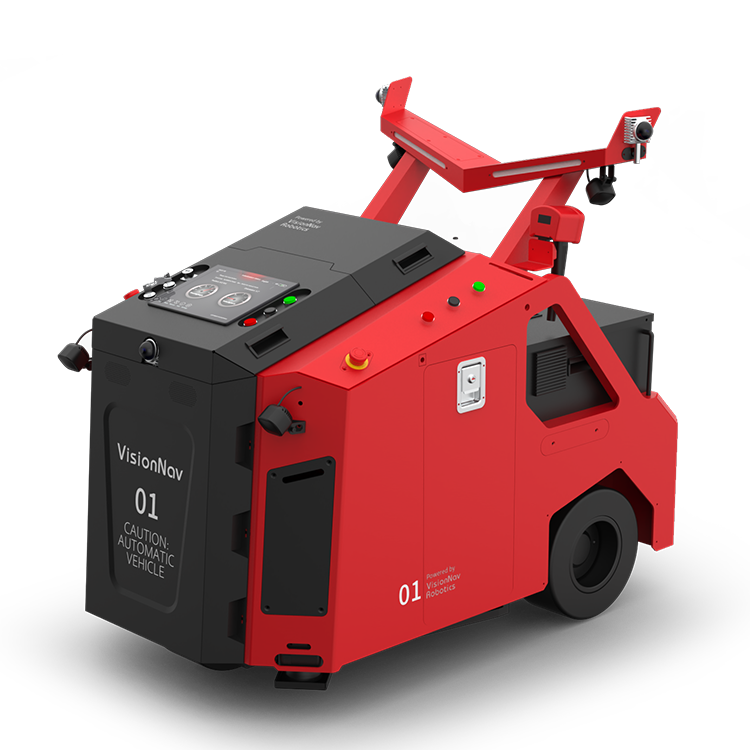
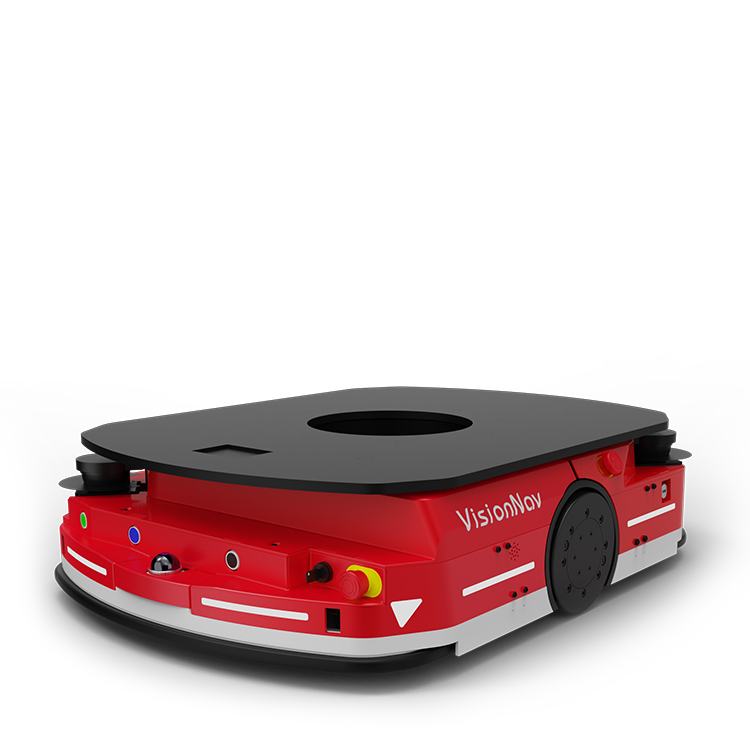
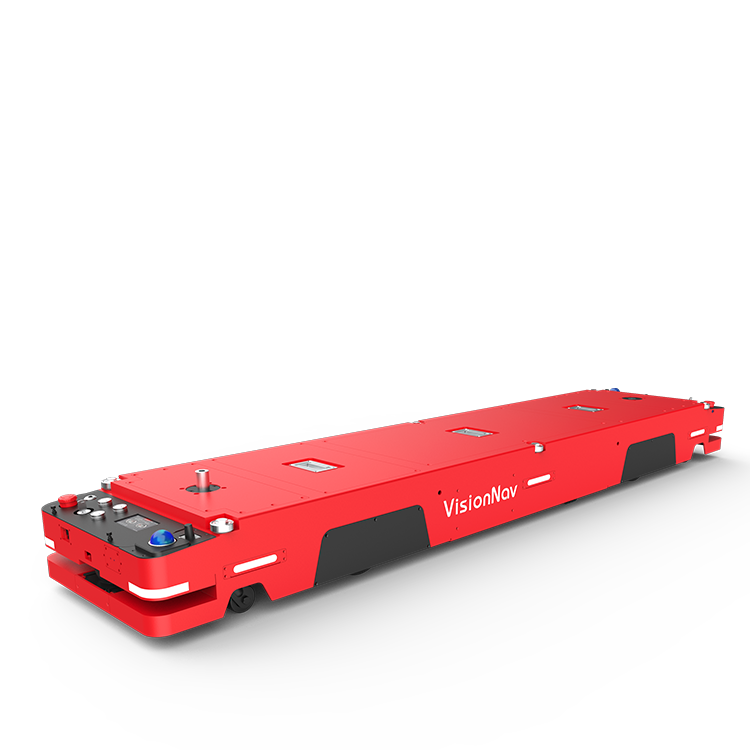
At VisionNav Robotics, autonomous material handling solutions are developed to address complex industrial workflows, from pallet transportation and high-bay storage to production line replenishment and specialized load handling.
By combining autonomous vehicles, intelligent perception technologies, and centralized fleet management, VisionNav helps organizations evaluate how automation can improve material flow within their existing operations.
Ultimately, the strongest automation business cases consider more than how many labor hours can be eliminated.
They evaluate how technology can contribute to safer workflows, more efficient training, greater workforce stability, and a more capable team.
Because the true ROI of automation isn't just about doing the same work with fewer people. It's about enabling people and technology to accomplish more together.
Every facility has different labor challenges, material handling requirements, and operational priorities.
VisionNav Robotics works with manufacturers, warehouses, and logistics providers to evaluate autonomous forklift applications and identify opportunities for measurable operational improvements.
Contact a VisionNav Expert to discuss your material handling workflows and explore how autonomous forklifts could support your automation goals.