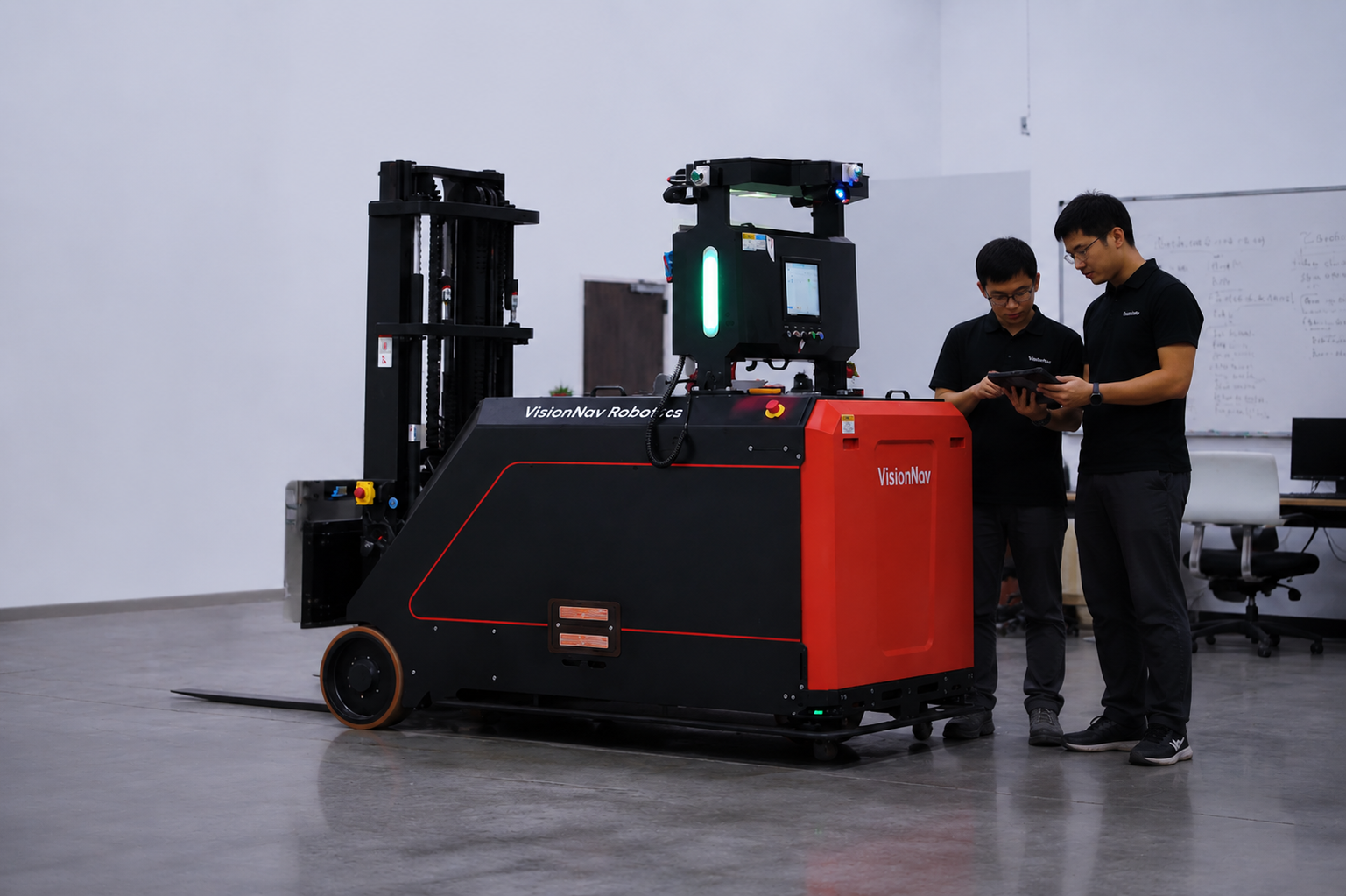

Adding an autonomous forklift to a warehouse can automate a movement. Building an autonomous fleet requires something more sophisticated: coordinating dozens, hundreds, or potentially thousands of movements as part of one continuously changing operation.
That distinction is becoming increasingly important as material handling automation scales.
In isolation, the question is relatively straightforward: Can an autonomous vehicle move a pallet safely and reliably from Point A to Point B?
At scale, the questions change.
Which vehicle should receive the next task? What happens when several vehicles need the same aisle? How should priorities adjust when production demand shifts? How should different vehicle types coordinate across receiving, production, storage, replenishment, and outbound operations? And how can the system prevent creating bottlenecks somewhere else?
These are no longer just navigation problems. They become orchestration problems.
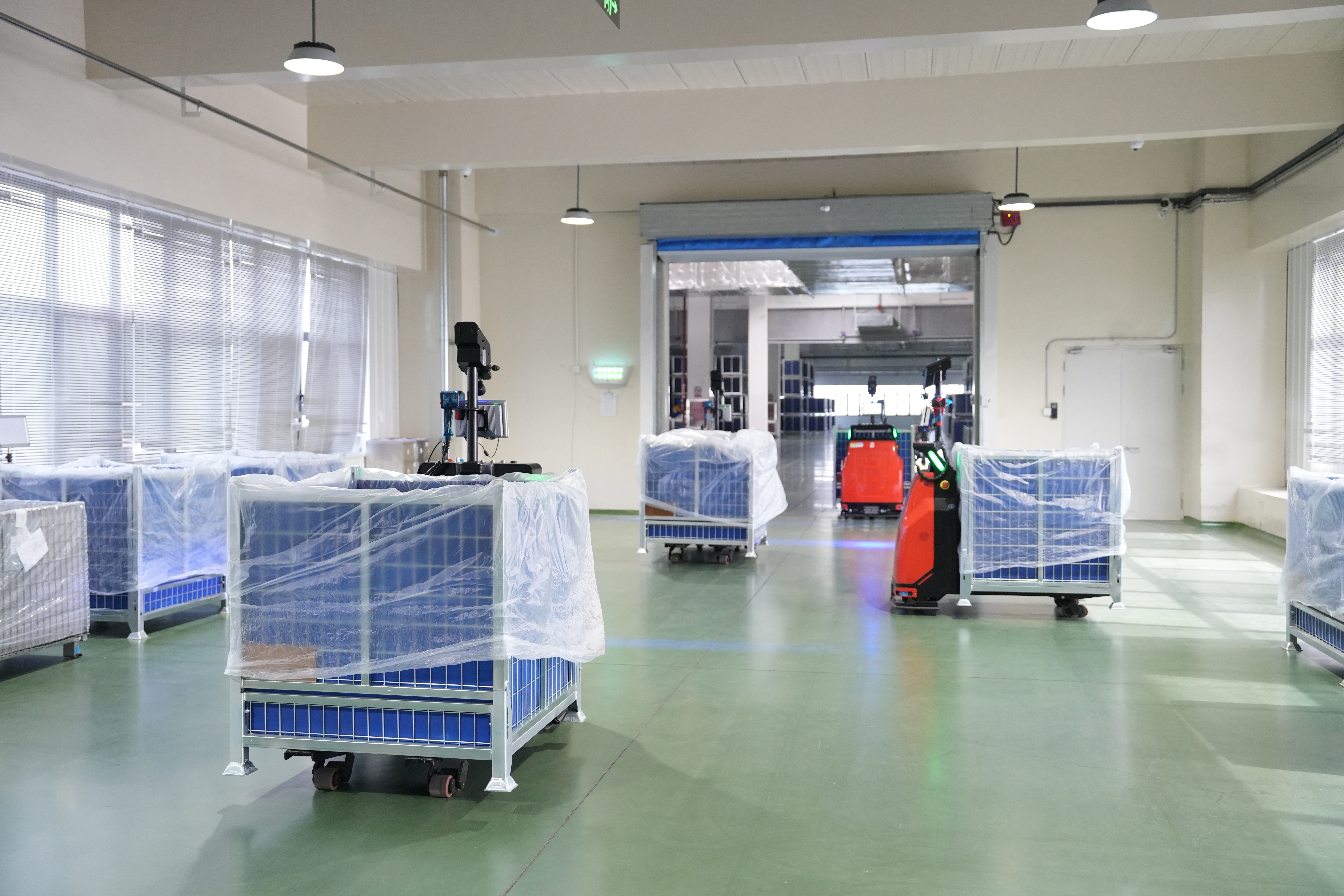
Early automation projects often begin with a clearly defined movement: transporting finished goods from a production line, moving pallets into storage, replenishing a workstation, or transferring material across a long manual travel route.
These applications are still valuable entry points for automation. However, as organizations expand beyond the first workflow, autonomous vehicles begin interacting within increasingly complex environments.
This is where the value of automation begins shifting from the performance of the individual vehicle toward the intelligence coordinating the fleet.
A robot can be highly capable and still operate inefficiently if tasks are assigned poorly, routes conflict, vehicles queue unnecessarily, or downstream capacity is not prioritized.
The objective is then larger than autonomous transportation - It is optimized material flow.
Warehouse automation is sometimes evaluated through vehicle-level metrics such as travel speed, cycle time, or individual task completion.
Those metrics matter, but they only describe part of the system.
Consider an autonomous forklift that completes its assigned movement several seconds faster. That improvement means relatively little if it arrives at a destination where three other vehicles are already waiting.
Similarly, maximizing utilization across every vehicle can actually work against system performance. If every autonomous forklift is constantly moving, traffic density may increase, intersections may become congested, and vehicles may compete for shared resources.
The more useful question is not:
How fast can each robot move?
It is:
How efficiently can the entire operation move material?
That requires the orchestration layer to understand more than vehicle location. It must consider tasks, priorities, traffic, equipment availability, destinations, workflow dependencies, charging requirements, and the status of the surrounding operation.
VisionNav's Robot Control System, RCS2.0, is designed around this system-level approach. Rather than treating autonomous forklifts as independent machines, centralized scheduling allows vehicles to operate as coordinated resources within the larger material flow.
Fleet complexity does not only increase with vehicle count. It also increases with vehicle diversity.
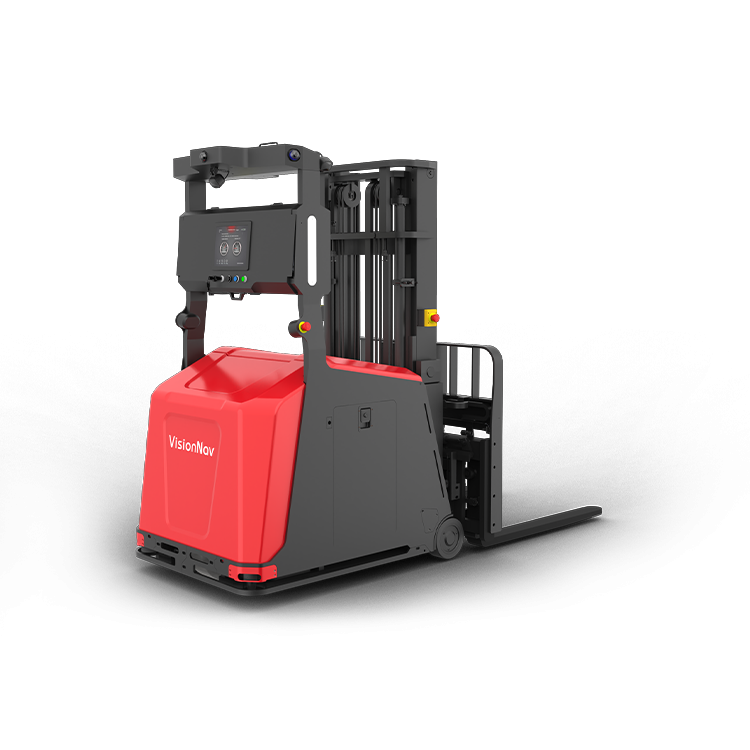
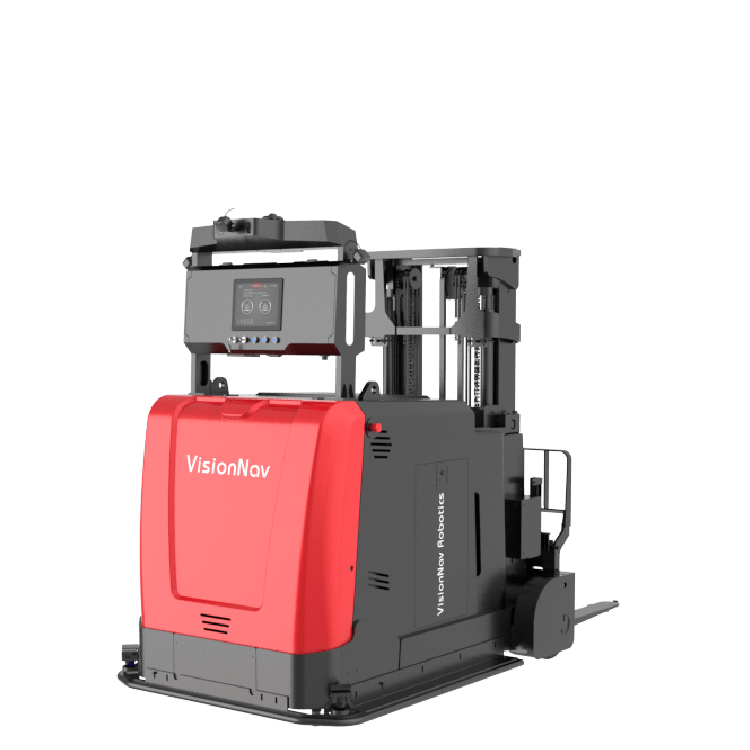
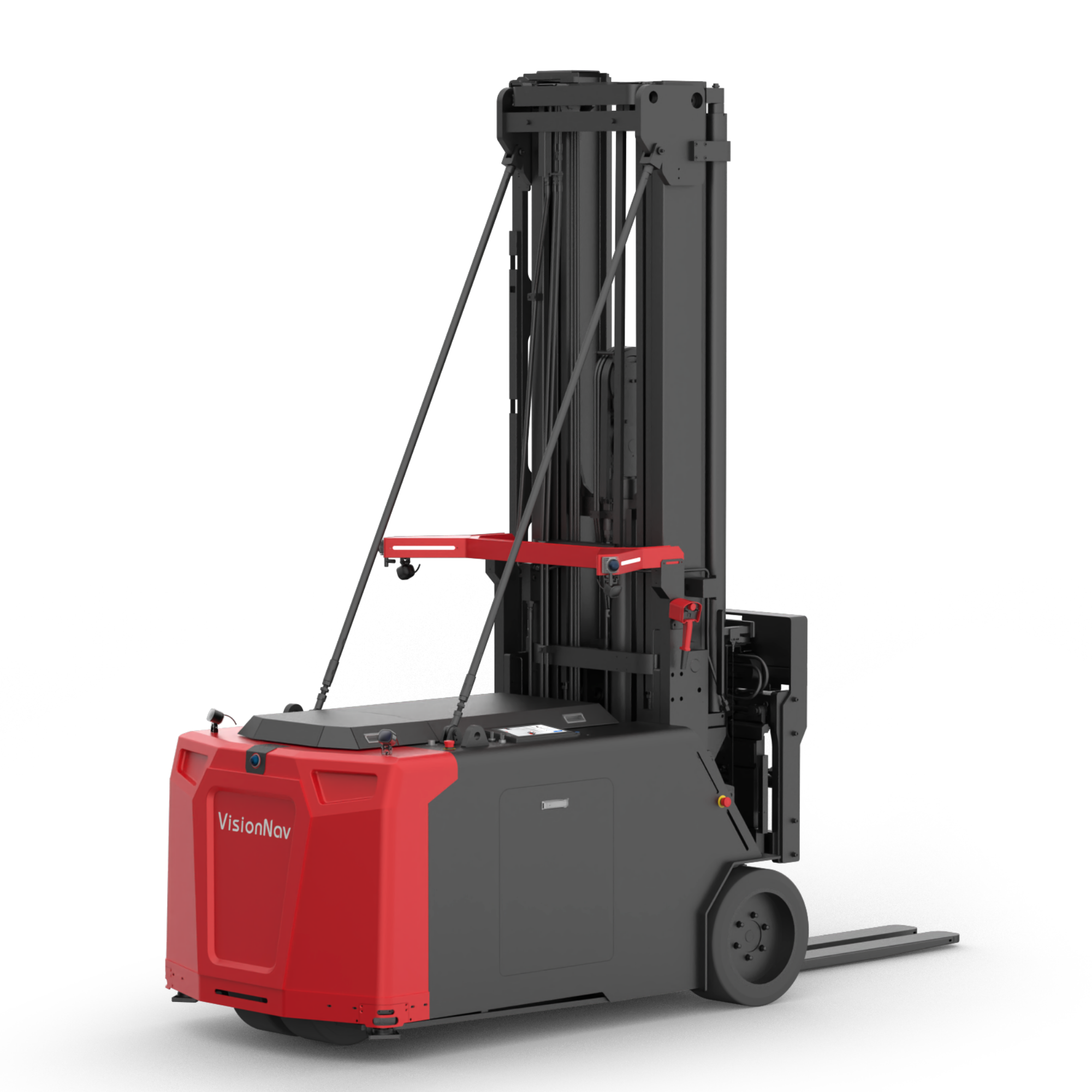
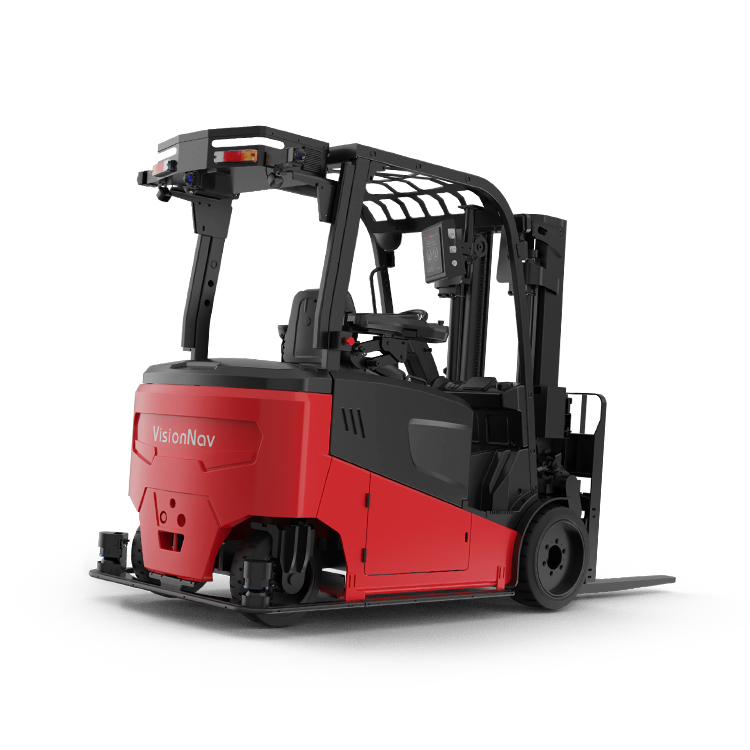
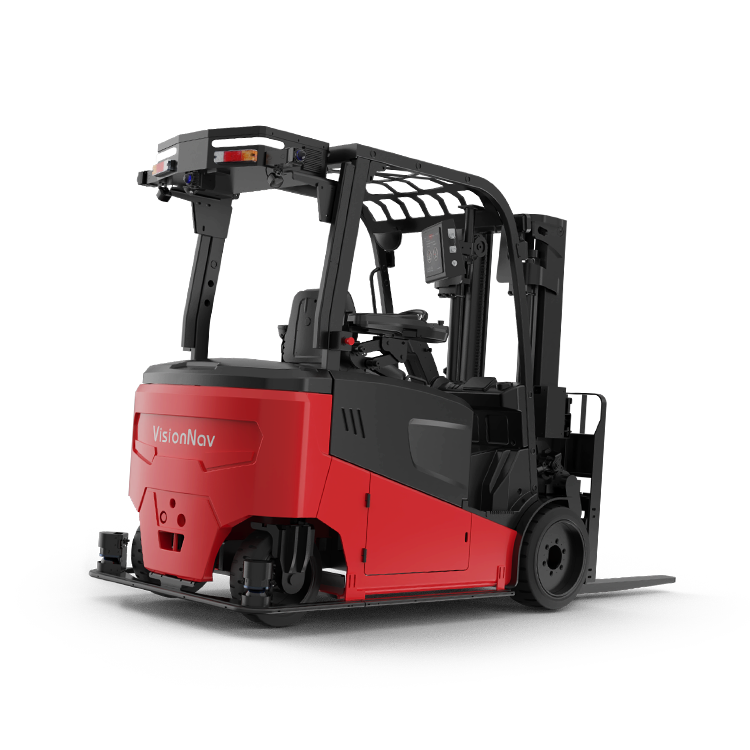
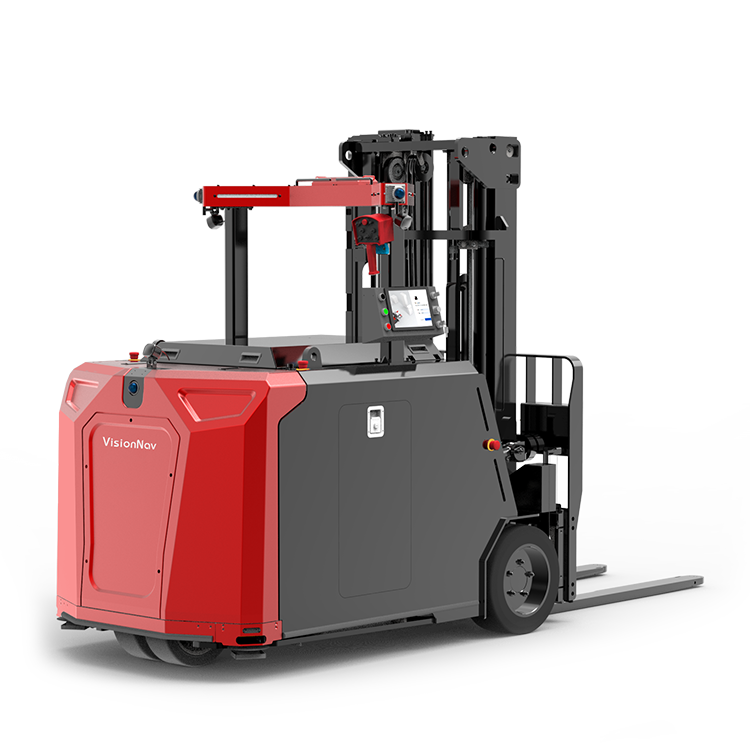
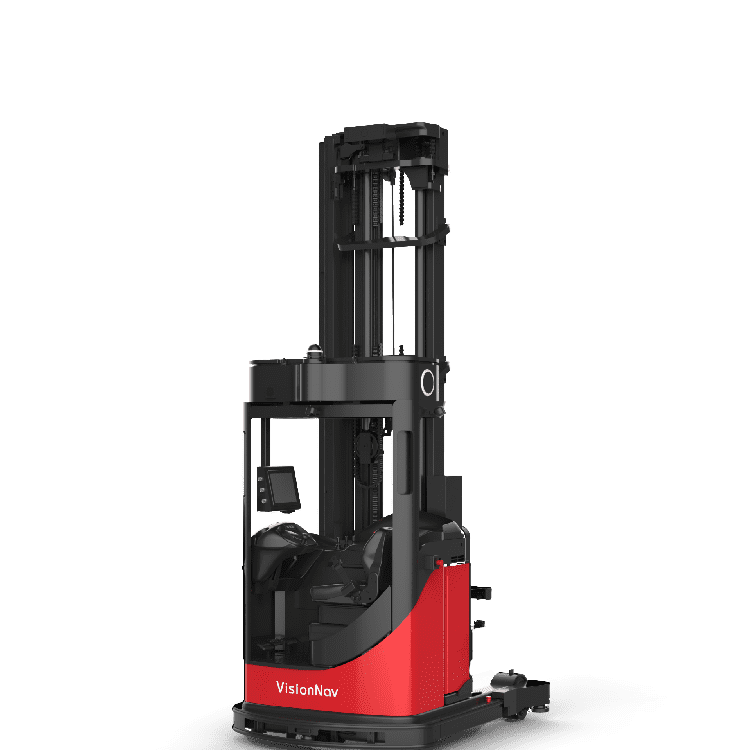
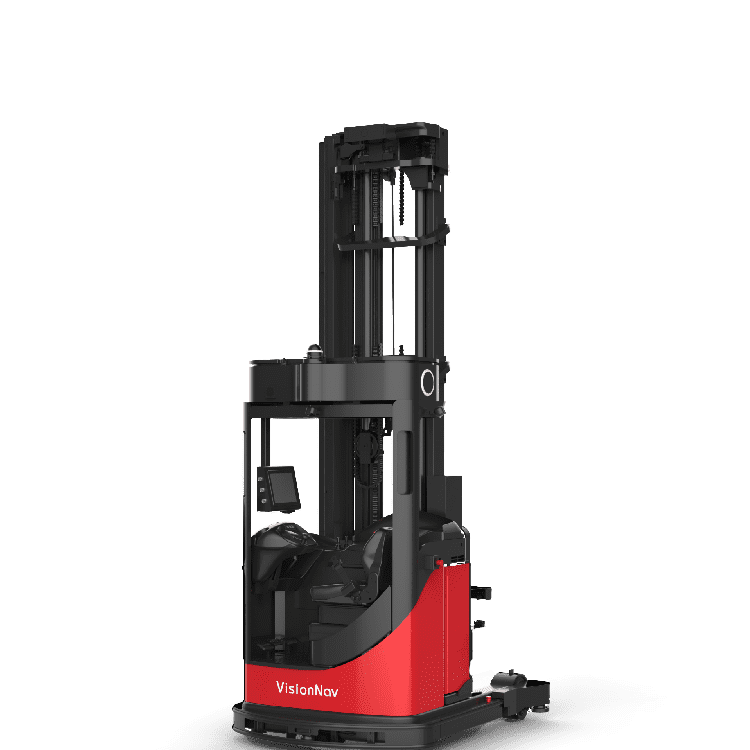
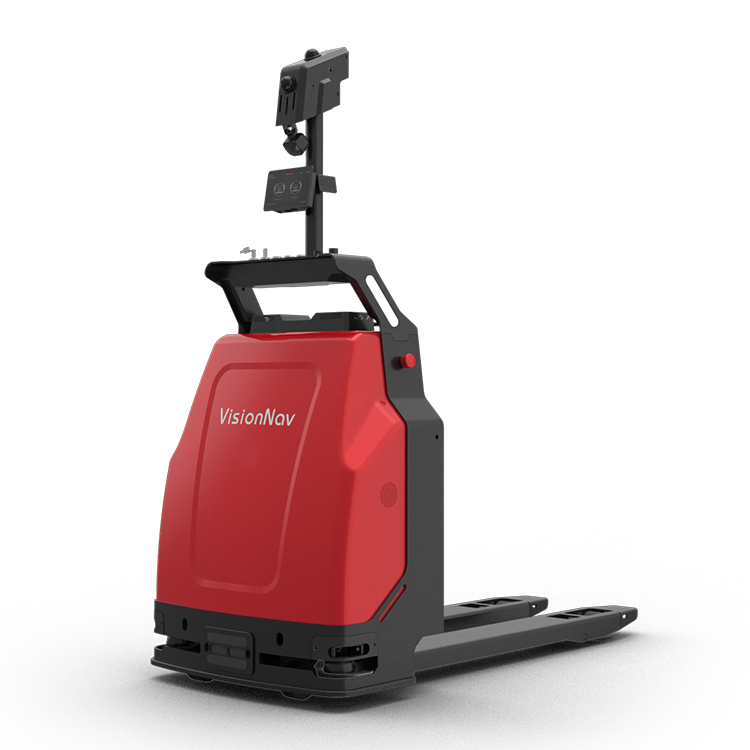
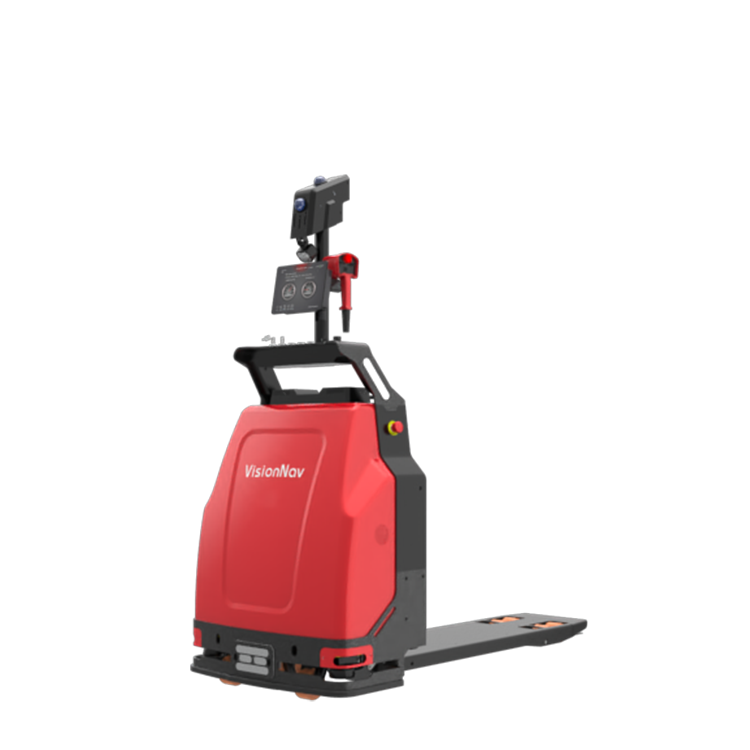
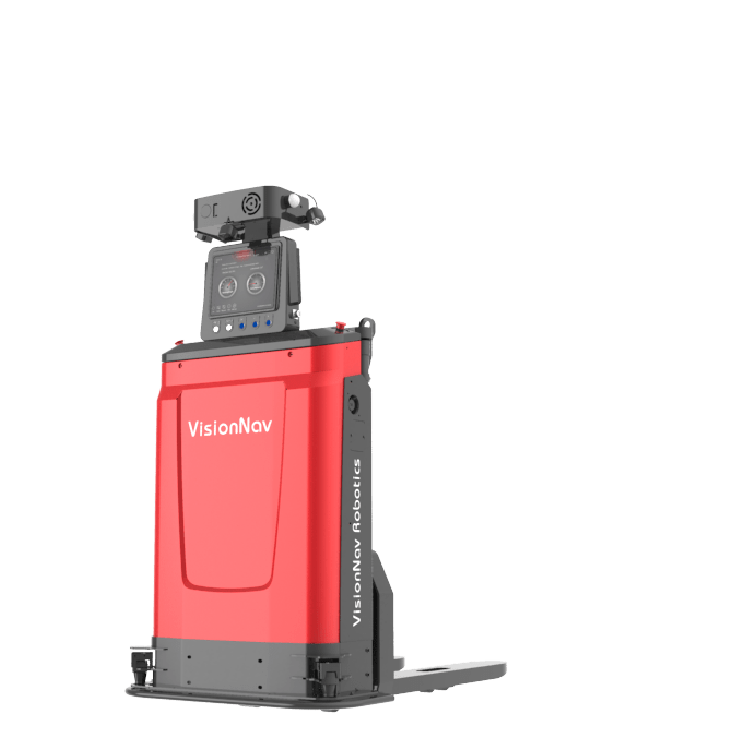
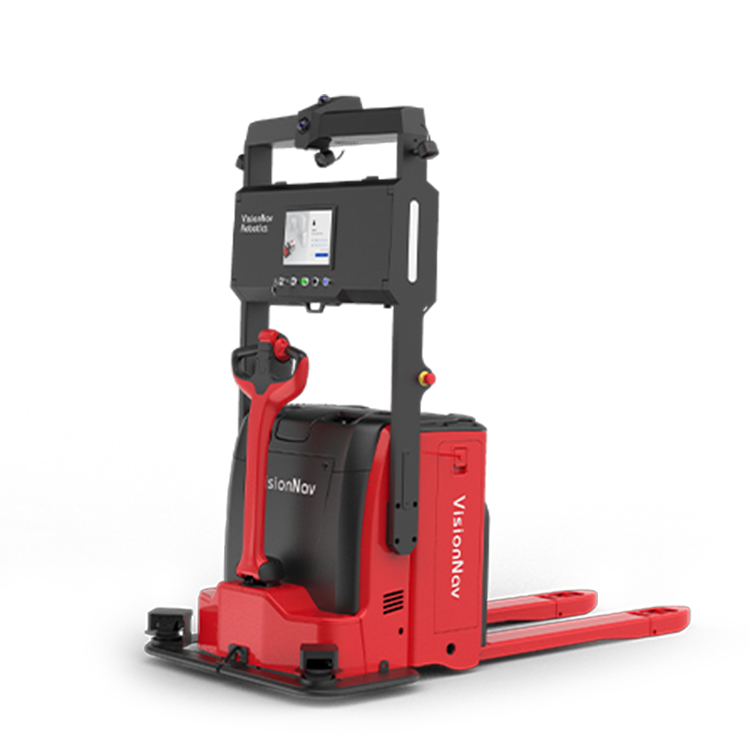
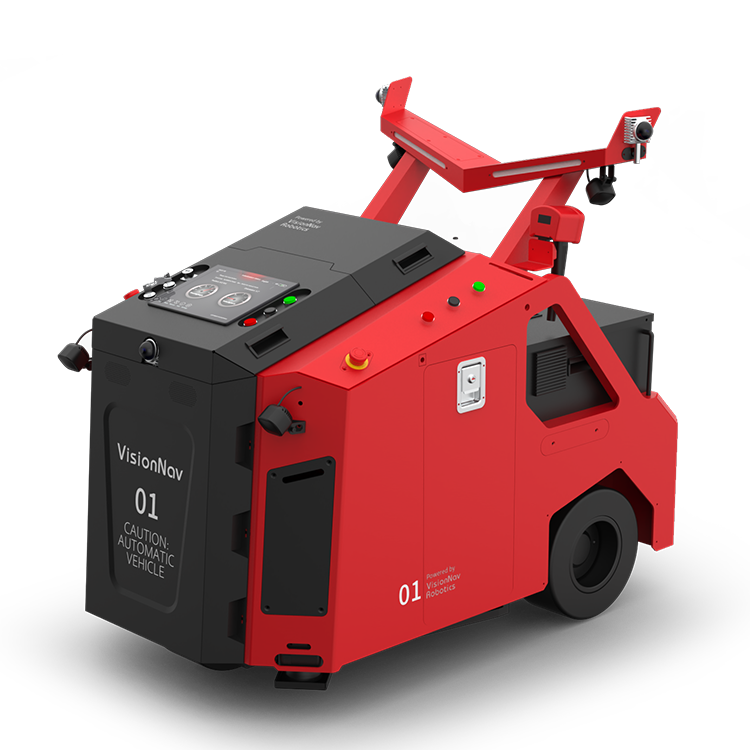
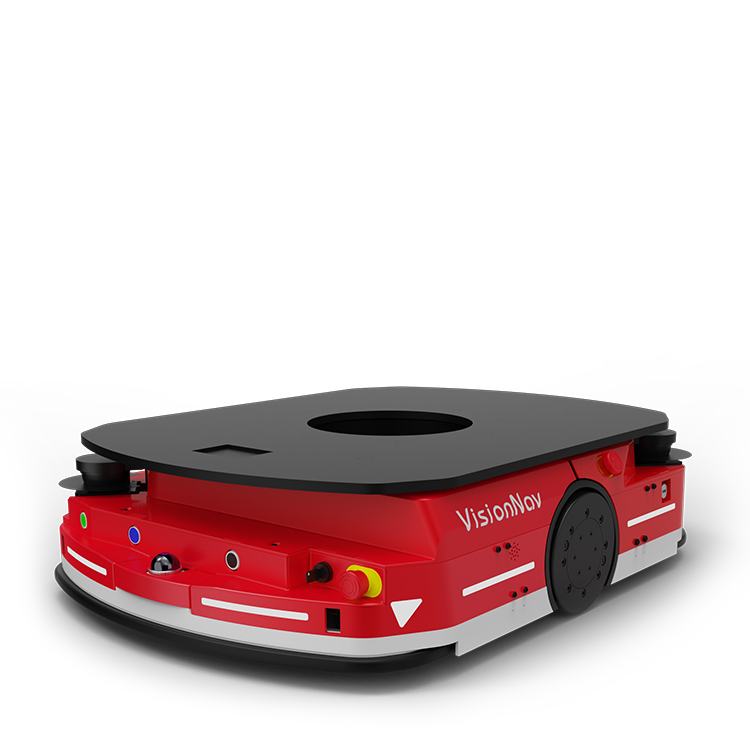
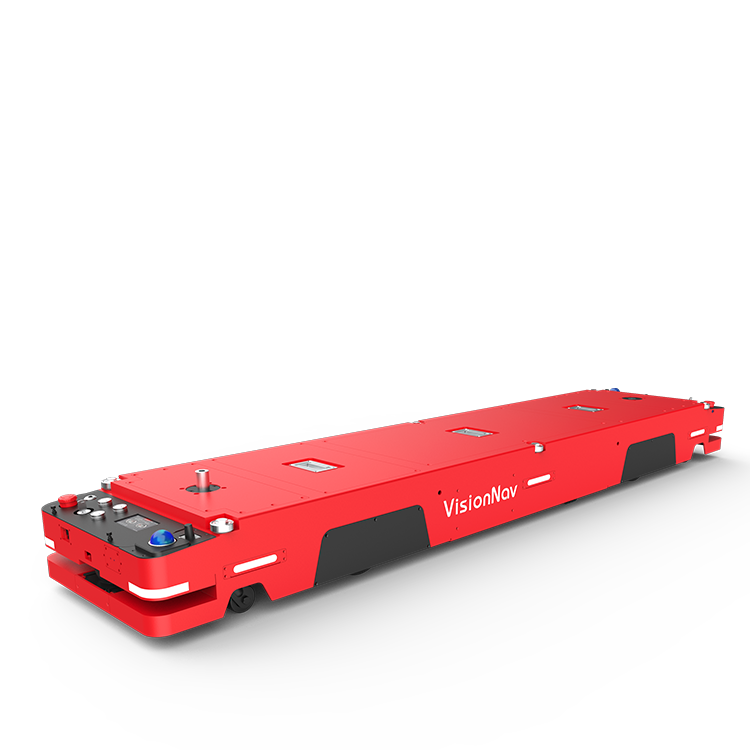
A large automated operation may use counterbalance autonomous forklifts for floor-level transport, pallet stackers for production-line movements, reach trucks for high-bay storage, autonomous tractors for long-distance towing, and AMRs or other mobile robots for different material flows.
These machines have varied capabilities, payloads, turning requirements, lift heights, attachments, charging profiles, and operating zones.
The orchestration system therefore needs to answer a critical question continuously:
Which resource is best suited to perform this task right now?
That decision can depend on vehicle type, proximity, availability, battery status, current workload, traffic conditions, task priority, and downstream readiness.
This is one reason multi-vehicle deployments should be designed as systems rather than collections of robots.
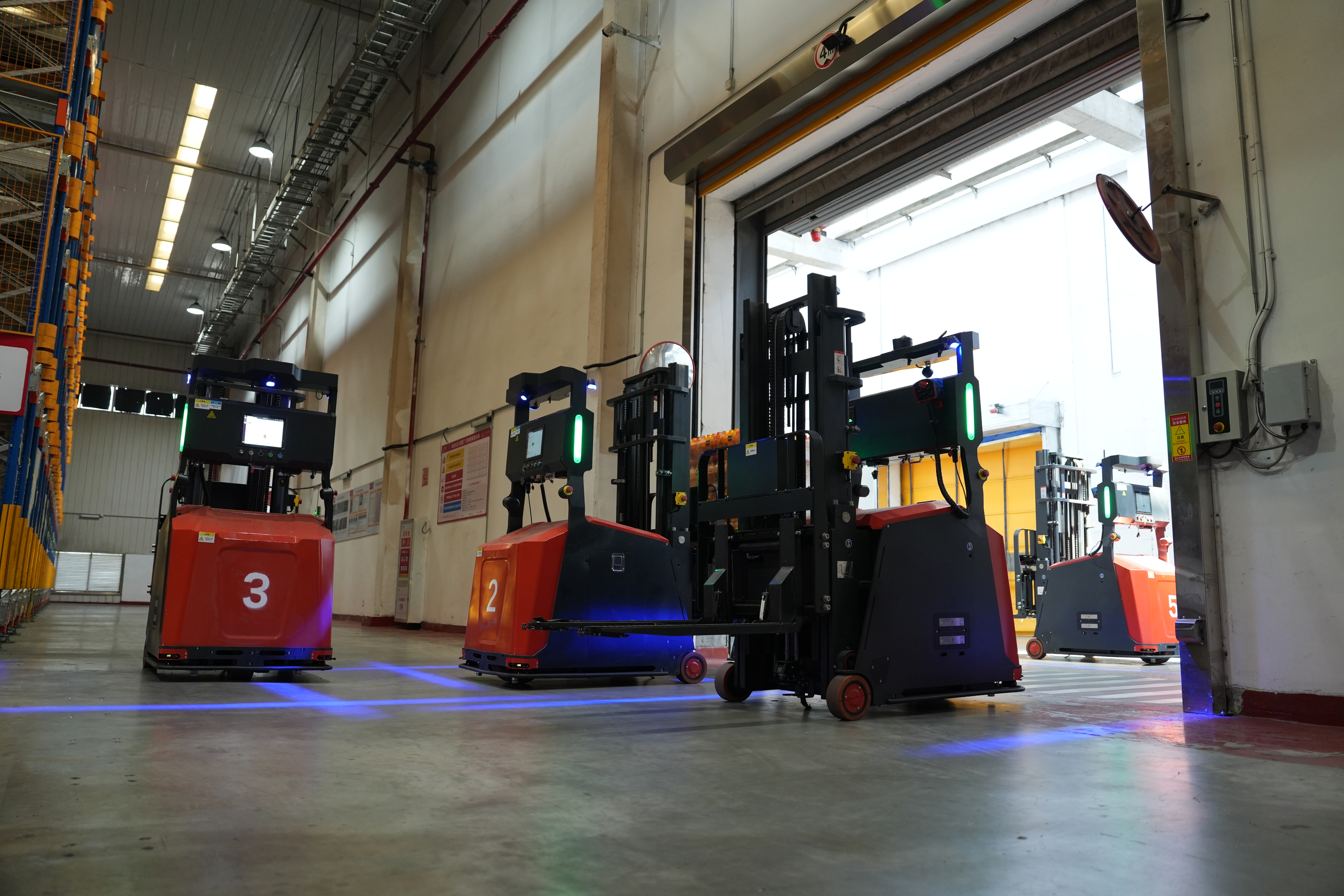
VisionNav has applied this approach in manufacturing and logistics environments where different autonomous forklift types operate within the same facility. In one beverage manufacturing deployment, for example, seven VNP15 autonomous forklifts and three VNR16 reach trucks were coordinated through RCS2.0 across a facility of nearly 5,000 square meters.
The operation included multiple production lines, pallet storage, packaging material areas, shelving, and outbound workflows.
The challenge was not simply automating ten vehicles. It was coordinating different material movements across interconnected operational zones.
As fleets scale, traffic management becomes another major component of orchestration.
Autonomous vehicles cannot simply calculate the shortest route independently and follow it. If every vehicle makes locally optimal routing decisions, many may select the same aisle or intersection at the same time.
The mathematically shortest path for one vehicle can become an inefficient path for the fleet.
Effective orchestration therefore requires a broader understanding of traffic.
Routes can be coordinated according to fleet activity, operating zones, task priorities, shared resources, and congestion. Certain movements may need to wait while higher-priority traffic passes. Others may be dynamically routed through alternative paths.
The goal is not necessarily to eliminate every pause.
Sometimes allowing one vehicle to wait briefly creates better overall throughput by preventing congestion elsewhere.
This distinction matters because warehouse optimization is ultimately a system-level problem. An autonomous fleet should not optimize ten individual journeys independently. It should optimize how those ten journeys interact.
Real warehouses are not static environments.
Pallets are misplaced. Loads are wrapped inconsistently. A staging position may unexpectedly be occupied. An operator may temporarily block an aisle. A production line may stop. A destination may become unavailable.
A robust automation system needs a strategy for these conditions.
At the vehicle level, perception and recovery capabilities can allow autonomous forklifts to respond to certain variations independently. VisionNav vehicles, for example, combine technologies including LiDAR and machine vision to perceive their surroundings, while capabilities such as load-position correction and retry functions can help address variability during material handling.
But fleet-level recovery requires another layer of intelligence.
If one vehicle cannot complete a task, the orchestration system must understand the impact on the surrounding workflow. Other tasks may need to be reassigned, traffic may need to be redirected, or the affected movement may need to be escalated without unnecessarily stopping unrelated operations.
The difference is significant.
A scalable automation system should be designed so that one exception does not automatically become a fleet-wide exception.
This becomes particularly important in manufacturing.
Material demand can change throughout a shift. Production schedules move. A workstation consumes inventory faster than expected. An outbound order becomes urgent. One line slows while another accelerates.
A static transportation schedule struggles in this environment because the assumptions used to create the schedule may no longer reflect the actual operation.
Fleet orchestration provides an opportunity to make material movement responsive to operational priorities.
Rather than treating every transport request equally, tasks can be scheduled and prioritized according to the requirements of the broader system. Higher-priority movements can move forward while lower-priority tasks are sequenced accordingly.
As automation matures, this connection between material handling and production becomes increasingly important.
The autonomous fleet stops functioning simply as transportation equipment and begins operating as part of the facility's digital infrastructure.
This also explains why fleet management cannot exist in isolation.
Warehouse Management Systems, Warehouse Execution Systems, Manufacturing Execution Systems, conveyors, production equipment, doors, elevators, and other systems may all contain information that affects material movement.
Integration gives the autonomous fleet context.
A warehouse system may indicate which pallet needs to move. A production system may indicate that a line requires replenishment. A conveyor PLC may indicate that a transfer position is ready. The fleet orchestration layer can then translate those requirements into executable vehicle tasks.
The physical robot performs the movement, but software connects that movement to the larger operation.
This architecture becomes increasingly valuable as facilities scale automation across multiple workflows.
Instead of creating separate automation islands, organizations can work toward a coordinated material handling environment in which vehicles, equipment, and enterprise systems exchange information.
Once material movement is digitally coordinated, it also becomes measurable.
Every automated task can generate operational data: travel time, waiting time, task duration, vehicle utilization, charging activity, congestion patterns, exception frequency, and throughput.
Over time, this information can reveal patterns that are difficult to identify through observation alone.
Repeated vehicle queues may indicate a constrained aisle. Long dwell times may reveal a downstream bottleneck. Frequent recovery events at one location may indicate a process or infrastructure issue rather than a robotics problem.
This creates a feedback loop:
Automate the movement. Measure the movement. Understand the flow. Improve the operation.
VisionNav's broader approach to warehouse intelligence extends this concept through technologies such as the BrightEye monitoring platform, which can provide additional visibility into areas including traffic patterns, operational activity, and inventory locations.
As more warehouse activity becomes digitally observable, automation can contribute not only labor savings but also a more detailed understanding of how the facility actually operates.
Fleet orchestration should also influence how automation projects are designed.
Before vehicles enter a facility, simulation can model expected traffic, task volumes, fleet utilization, charging requirements, bottlenecks, and workflow interactions.
This is particularly valuable when evaluating fleet size.
Simply adding more robots does not guarantee more throughput. At some point, additional vehicles may create congestion rather than capacity.
The appropriate fleet size depends on factors such as travel distances, task frequency, pickup and drop-off time, charging strategy, aisle geometry, intersection density, production variability, and downstream constraints.
VisionNav uses simulation during solution development to model these interactions before deployment. This allows system designers to evaluate proposed workflows and identify potential constraints before physical implementation.
For customers, the result is a more important question than "How many robots do we need?"
It becomes:
What combination of vehicles, workflows, infrastructure, and scheduling logic produces the required throughput?
The autonomous vehicle remains an essential part of any automated material handling system. It needs reliable navigation, precise perception, safe operation, and the physical capability to handle the required loads.
But as deployments grow, vehicle capability becomes only one layer of the automation architecture.
The larger opportunity lies in coordinating those machines as part of an intelligent material flow system.
That means connecting autonomous forklifts with each other, with surrounding equipment, with enterprise software, and most importantly - with the operational priorities of the facility itself.
For organizations evaluating automation, this changes the conversation.
The question is no longer simply whether a robot can automate a particular movement.
The question becomes whether the automation architecture can continue coordinating material effectively as the operation grows from one workflow, to multiple workflows, to multiple vehicle types, and eventually to facility-wide autonomous material flow.
That is where fleet orchestration becomes more than fleet management.
It becomes the intelligence layer connecting automation to the operation.