
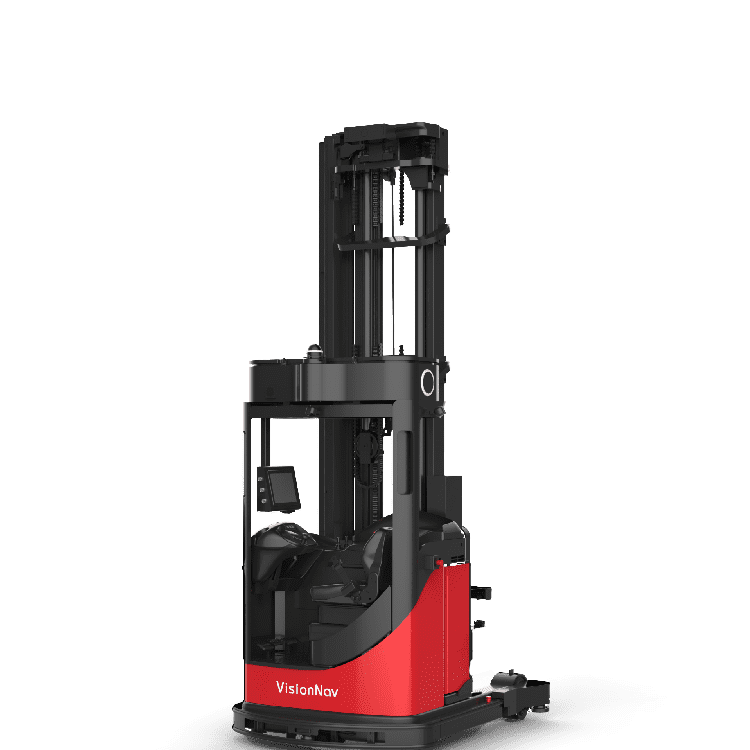
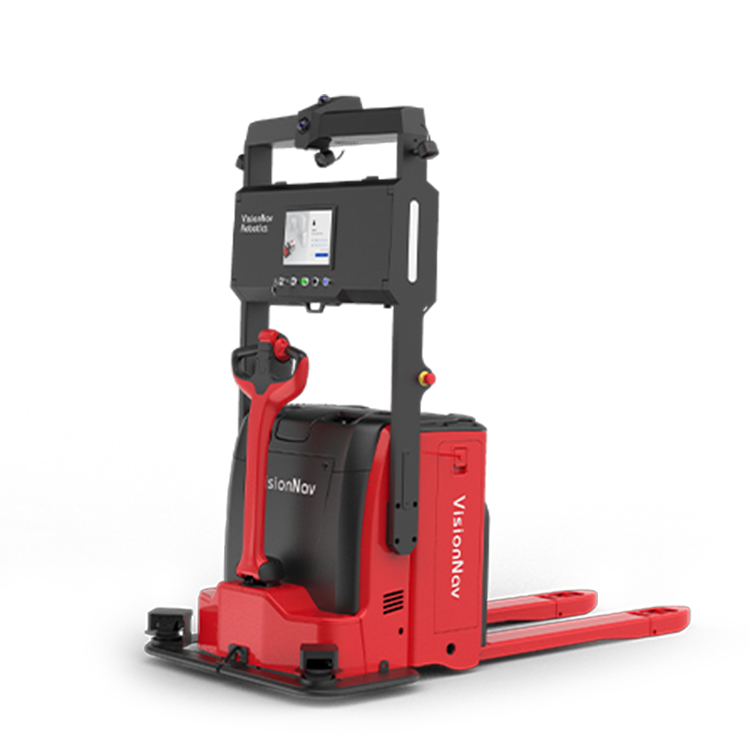


VNR 16
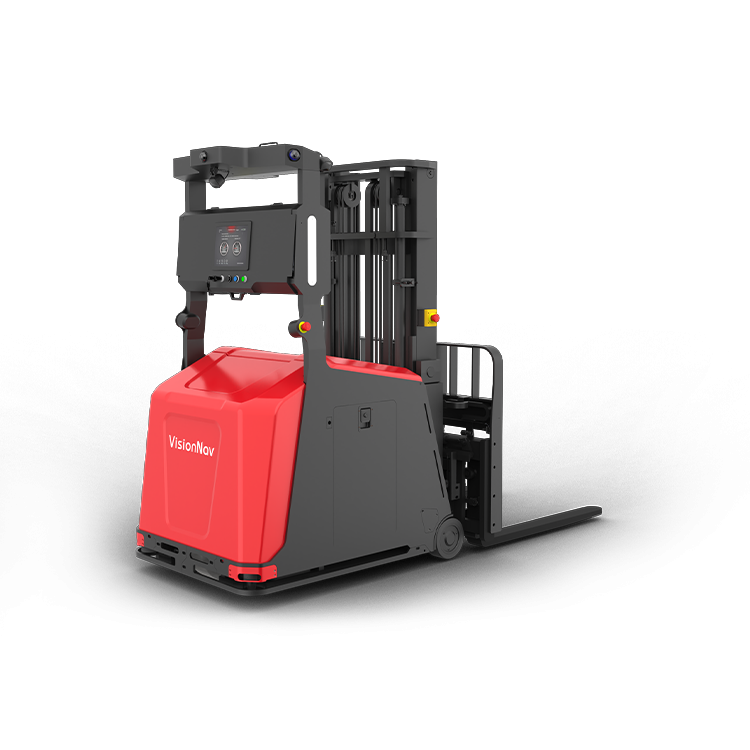
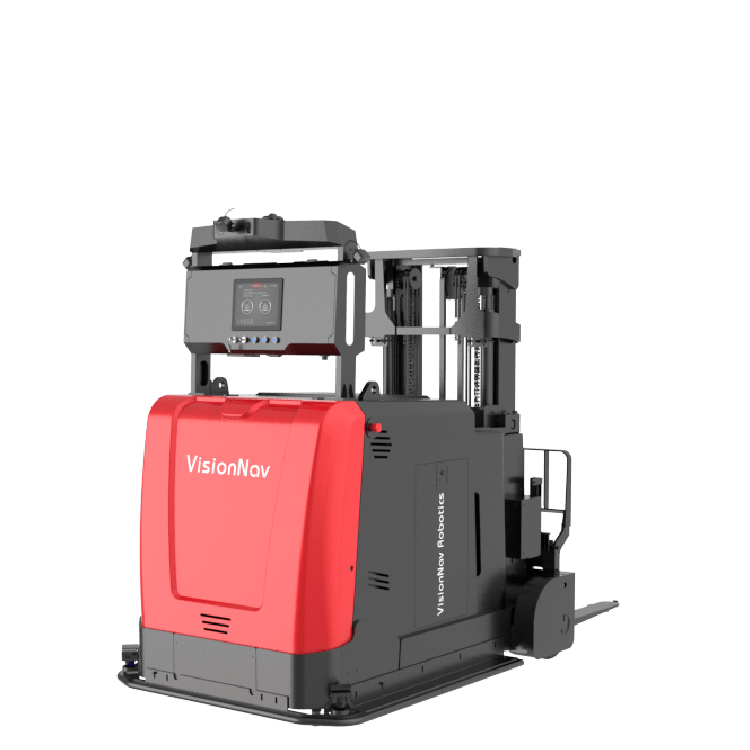
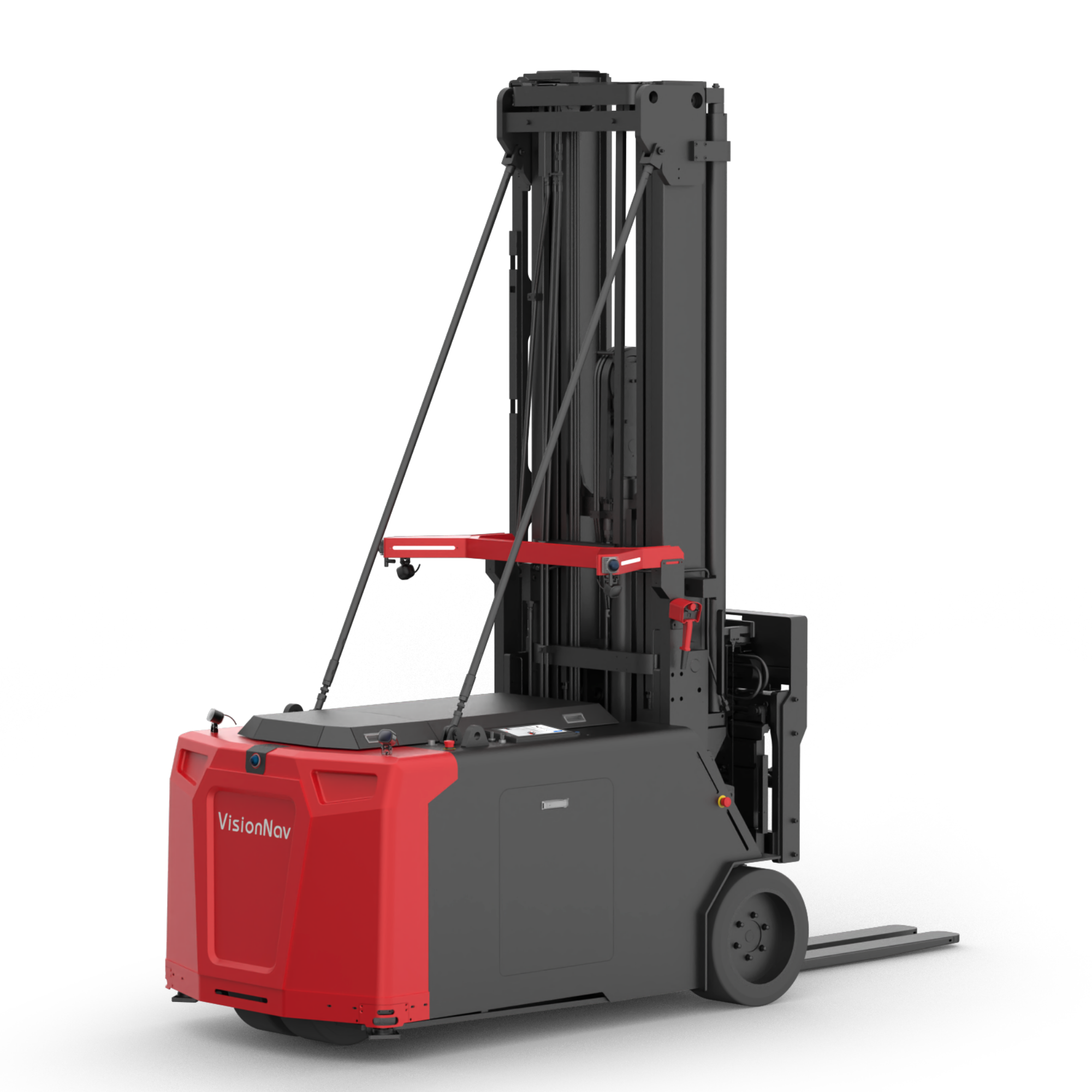
REACH TRUCK AGV/AMR

For snack and beverage manufacturers, internal logistics automation is no longer just about “replacing humans with machines”—it has evolved into a deep transformation driven by intelligence and digitalization. This shift helps companies build core competitiveness across four dimensions: cost, efficiency, quality, and flexibility. In today's highly competitive market, adopting such technologies is essential for maintaining a leading edge.
When planning automation projects, enterprises must consider their product characteristics, business scale, and future development strategies to choose the most suitable automation path and solution. Today, we share a successful case where VisionNav collaborated with a well-known multinational beverage manufacturer to upgrade their automated warehousing operations.
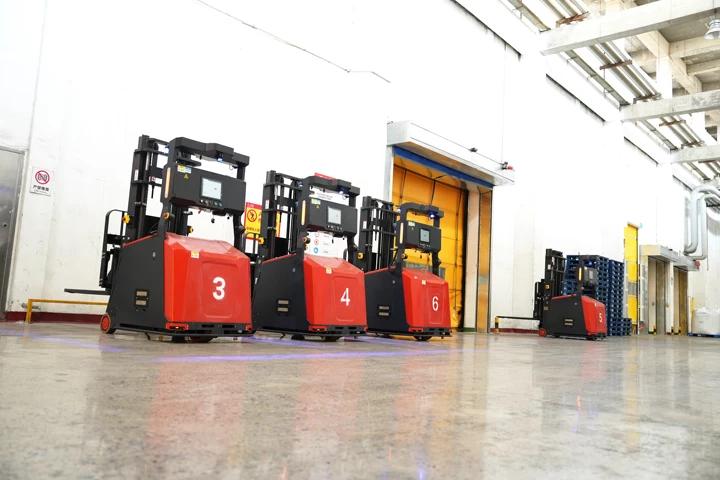
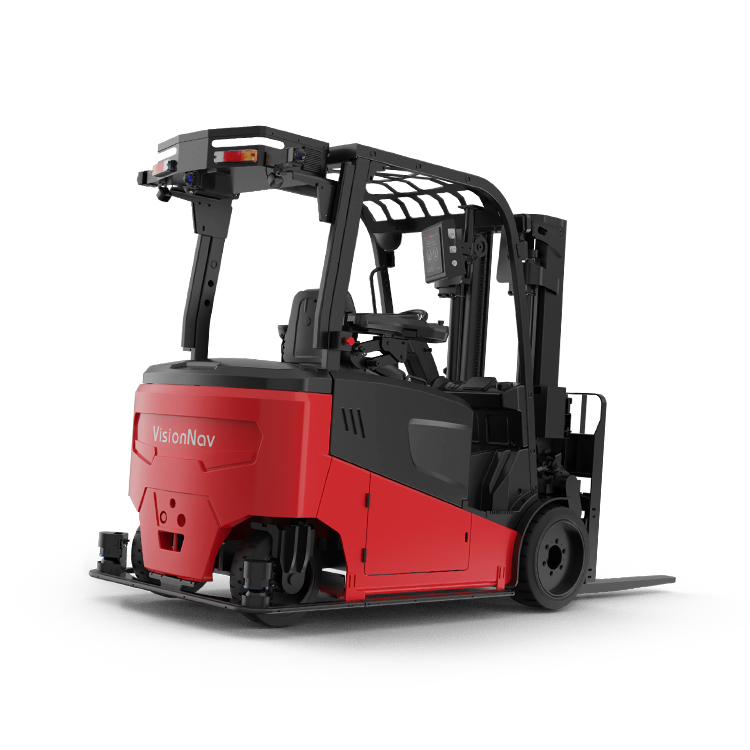
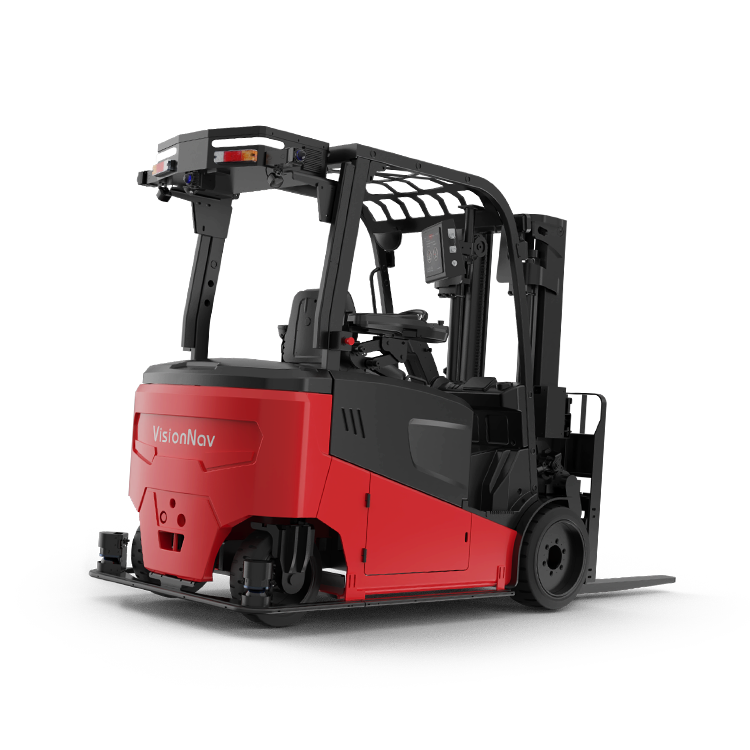
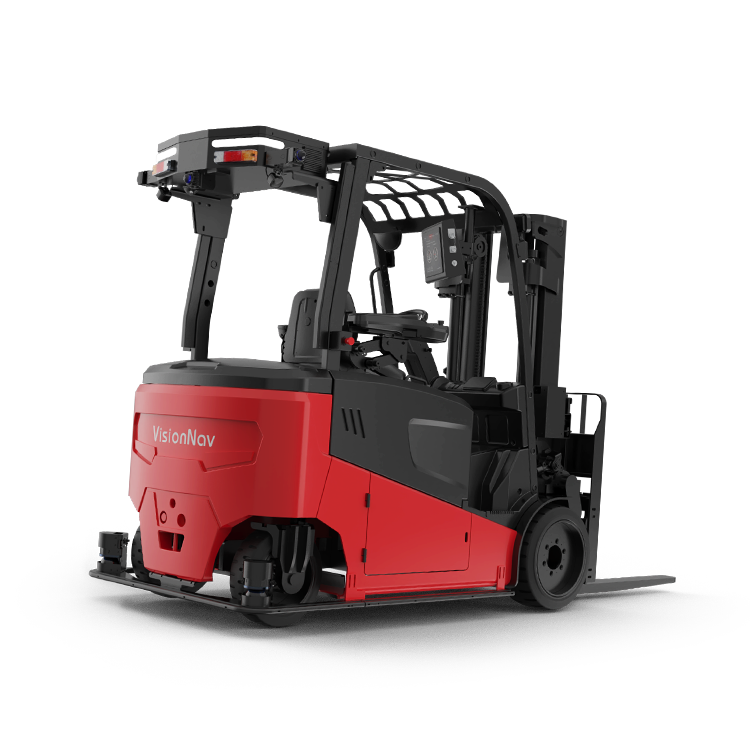
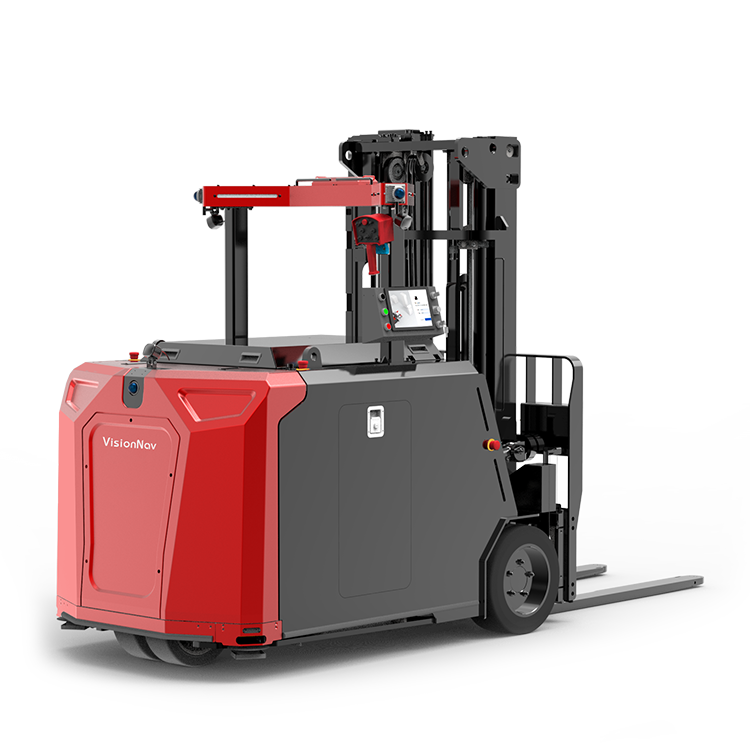
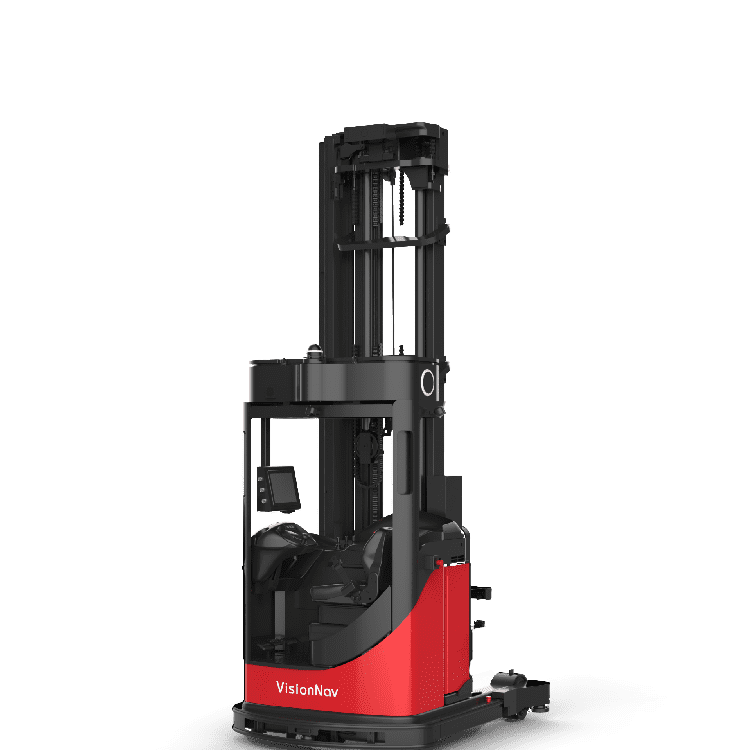
The client is a globally renowned beverage manufacturing company with a production base in Central China. They aimed to implement VisionNav's self-counterbalance autonomous forklift, VNR16 reach-type autonomous forklift, and RCS2.0 central control and scheduling system in one of their multi-production-line warehouses. The goal was to automate the processes of product offloading from production lines and finished goods warehousing developed and outbound operations.
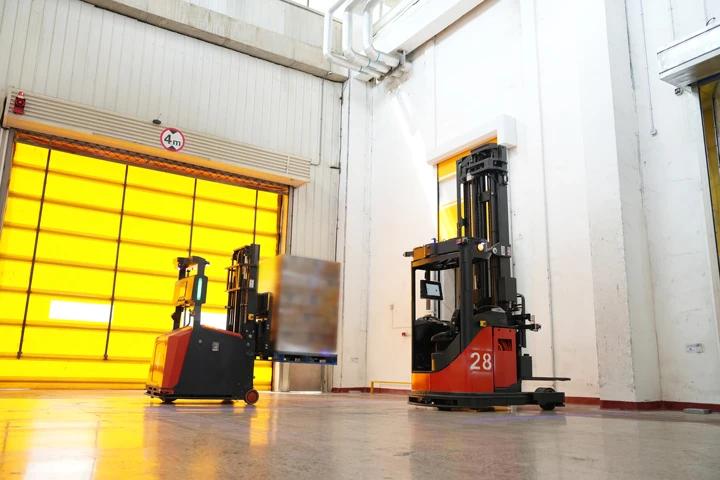
The project warehouse spans nearly 5,000㎡ and is divided into production line areas, pallet storage areas, packaging material zones, shelving areas, and outbound areas.
Finished Goods Inbound:
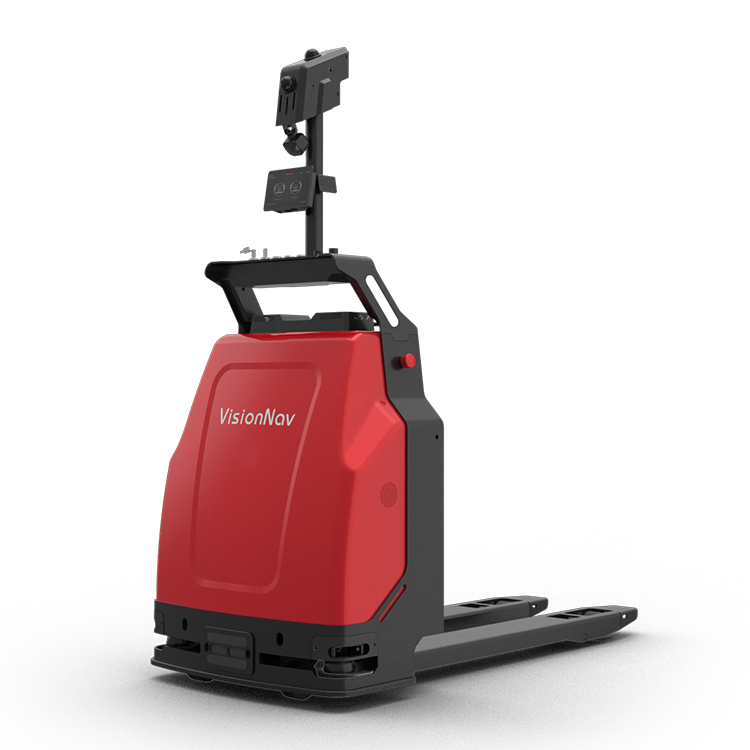
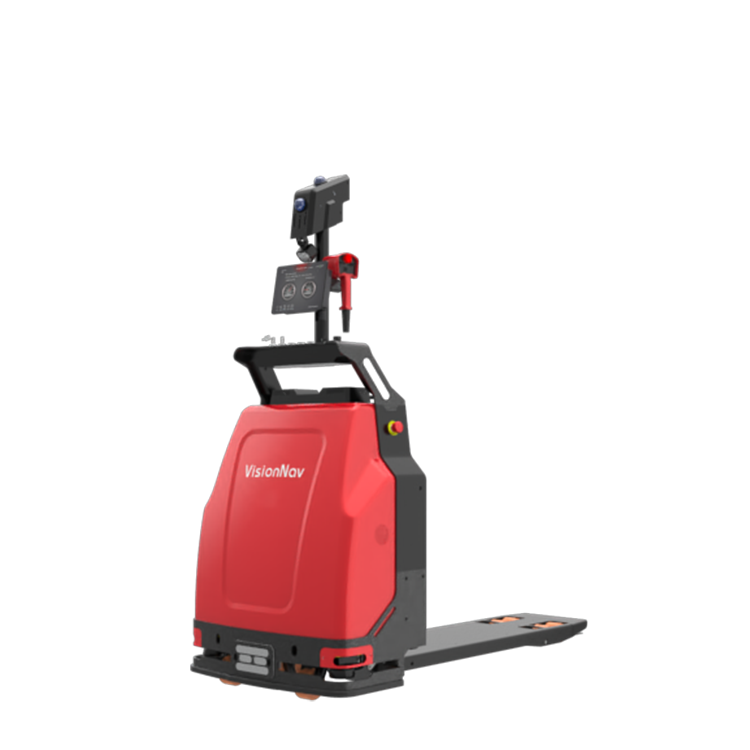
The production area includes two lines, each with a buffer station for empty pallets, a discharge point, and a packaging materials area. Operators input finished product and location information via PDA. The RCS2.0 system, based on shelf location, shuttle car position, and forklift availability, dispatches the VNP15 or VNR16 autonomous forklifts to perform inbound tasks. interacts with the conveyor PLC to ensure safe pick-up, then transfers the goods to the shelving area. Once completed, the system sends feedback to the warehouse management module.
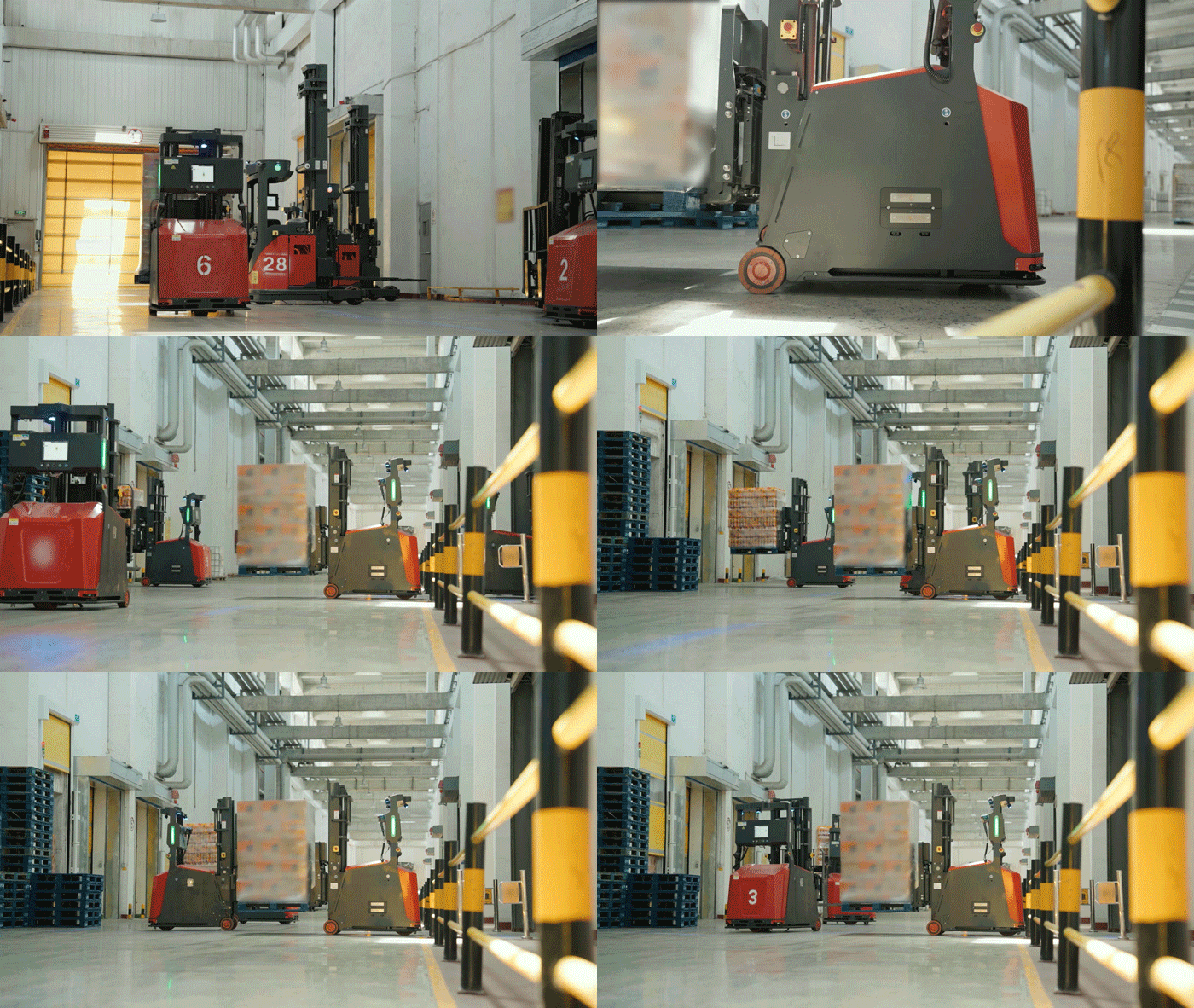
Finished Goods Outbound:
The WMS (Warehouse Management System) generates outbound tasks and sends them to the RCS2.0 and shuttle WCS (Warehouse Control System). WCS provides shuttle positions, and RCS2.0 dispatches available VNP15/VNR16 forklifts to transfer products to designated aisles. When the shuttle delivers finished goods to the discharge point, the forklift picks them up and moves them to the outbound area to complete the outbound task.
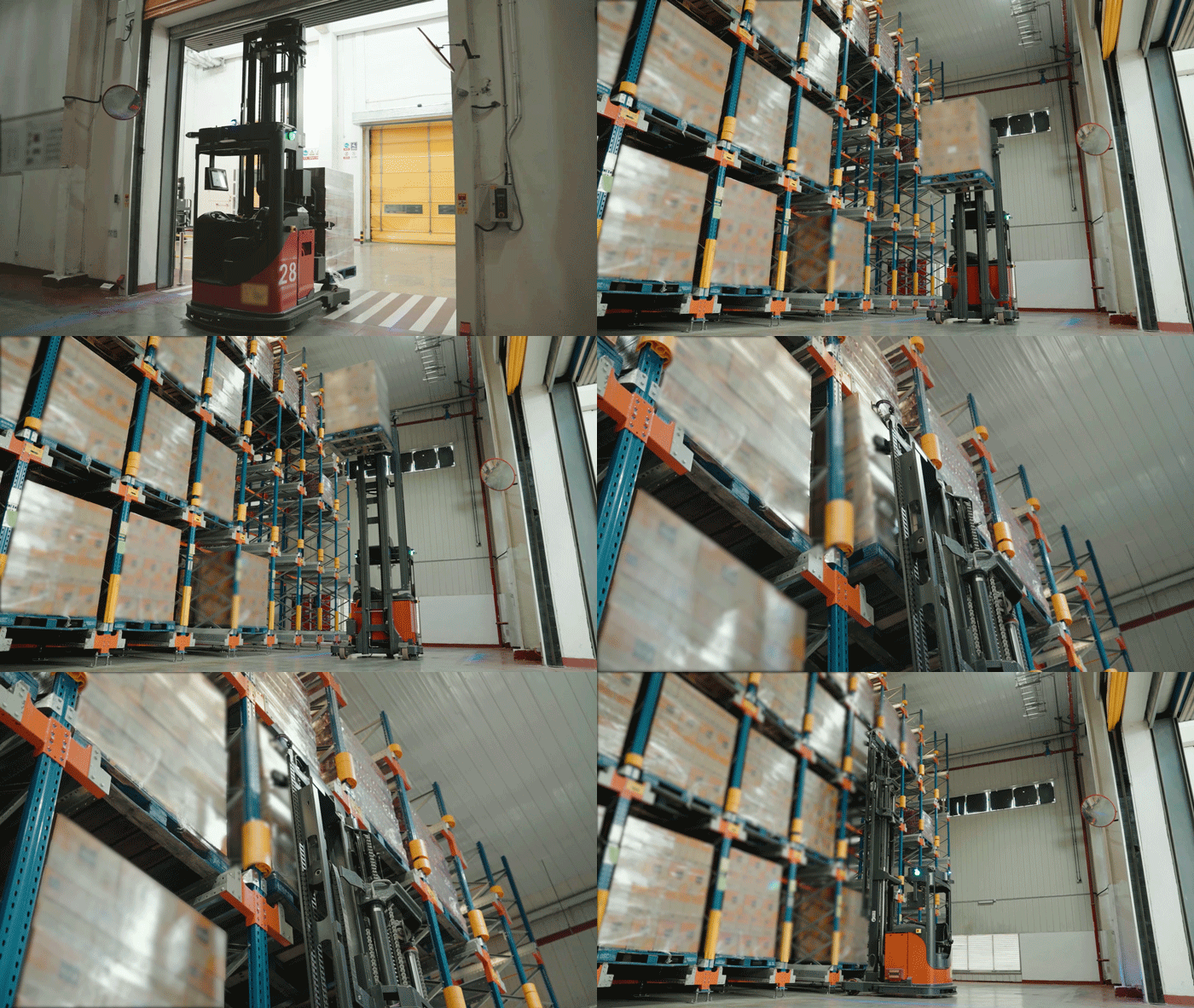
Empty Pallet Replenishment:
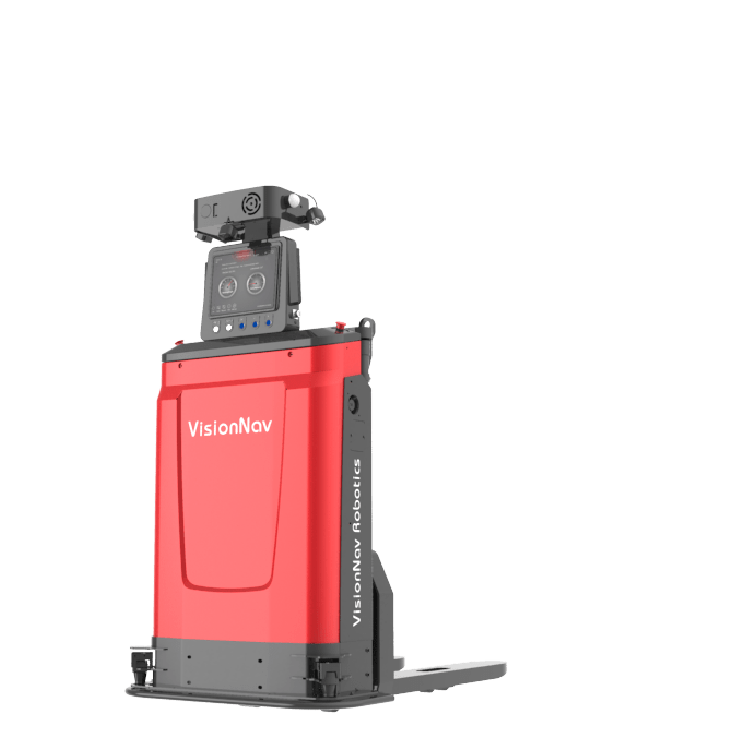
When the conveyor PLC sends a request for empty pallet replenishment, the WMS generates a task and sends it to RCS2.0. The VNP15 is dispatched to retrieve empty pallets from storage and deliver them to the designated conveyor loading point, then sends a completion signal back to RCS2.0.
With the full deployment of VisionNav's VNP15, VNR16 autonomous forklifts and RCS2.0 central control system, the client achieved a fully unmanned, digitized, and system-coordinated warehouse operation. Efficient integration of product auto-offline, smart outbound, and precise pallet replenishment significantly improved warehouse efficiency and space utilization, reduced labor dependency and operational risk, and built a real-time, flexible, and scalable logistics management system.
Looking ahead, VisionNav will continue to drive innovation and scenario-based adaptation to help more enterprises transition toward digitalized and intelligent operations.
See the full case study video and others like it on the VisionNav Robotics Youtube Channel

VisionNav Robotics is a leading provider of internal logistics automation solutions. Leveraging four core technologies—high-precision navigation, perception, servo control, and dispatching—VisionNav focuses on delivering automation solutions centered on autonomous forklifts for manufacturing and warehouse logistics industries.
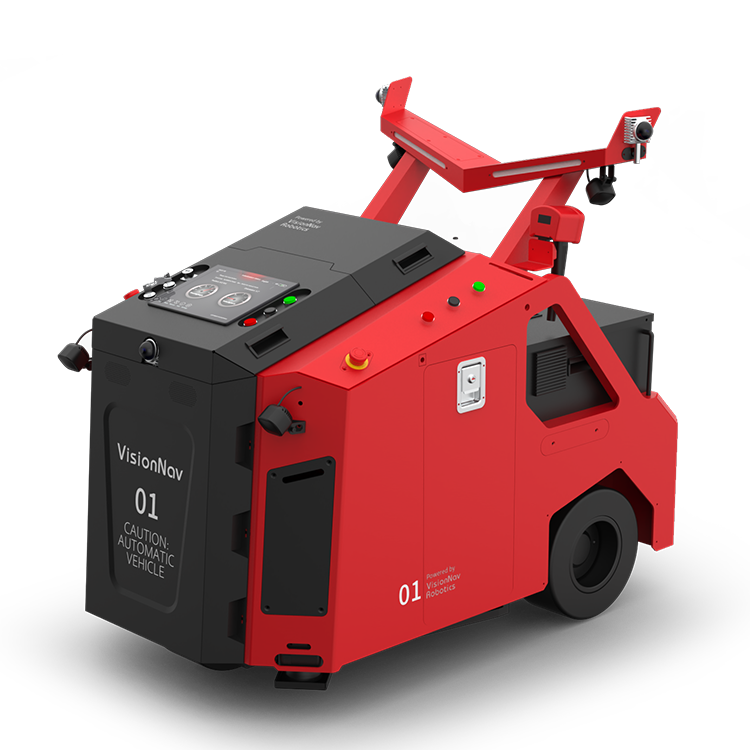
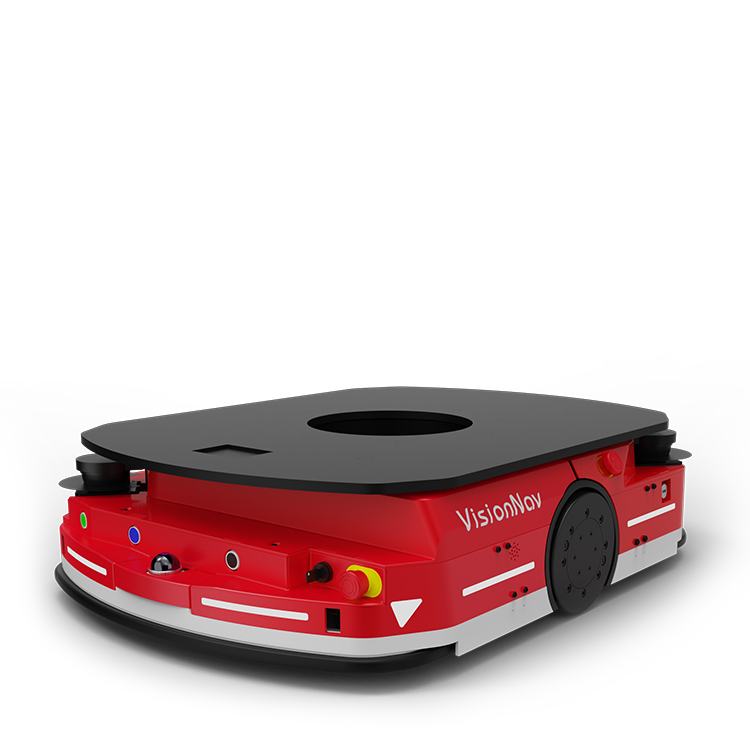
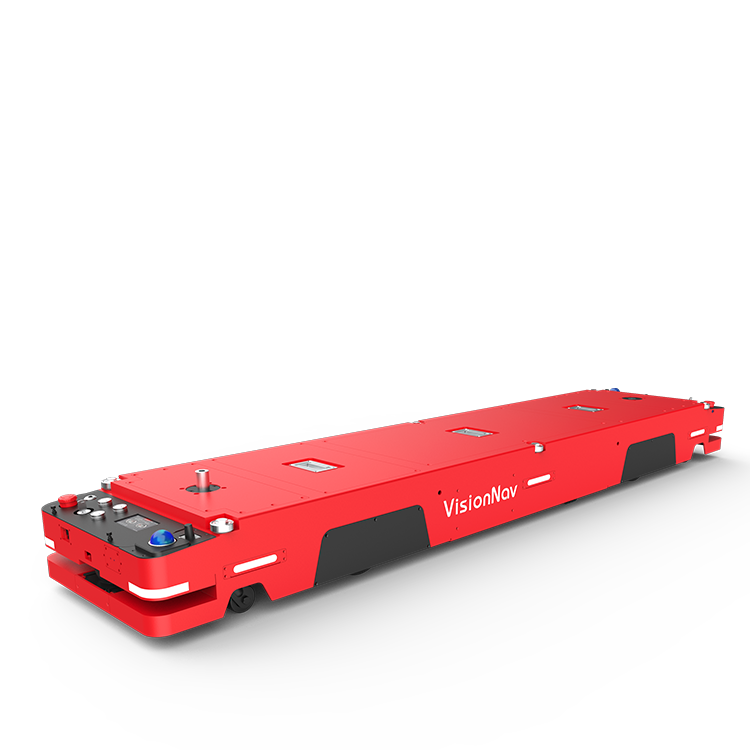
The company has developed a wide range of products including P, R, E, SLIM, ST, and Q series autonomous forklifts and towing vehicles, helping clients enhance manufacturing efficiency, realize factory/warehouse automation and intelligence, and drive a new wave of smart logistics innovation.