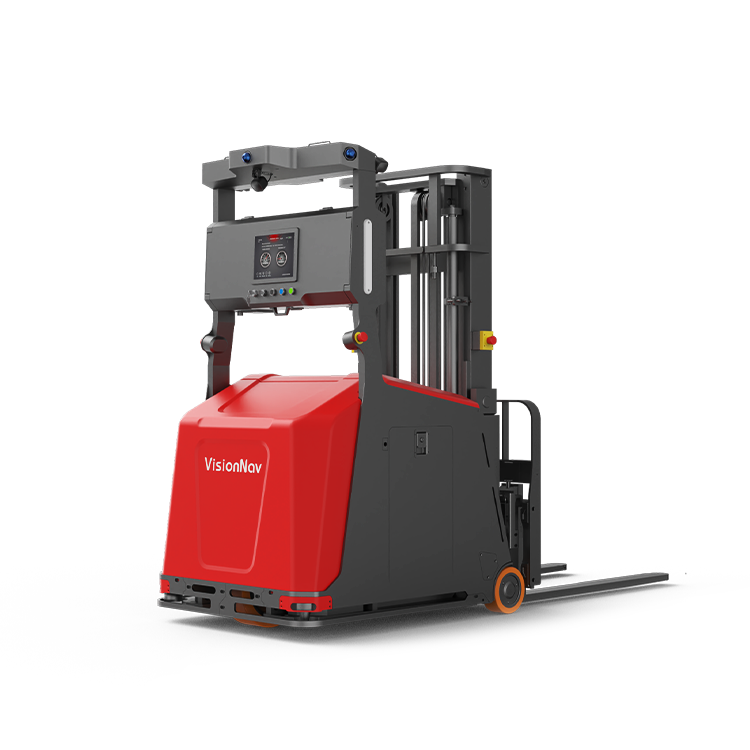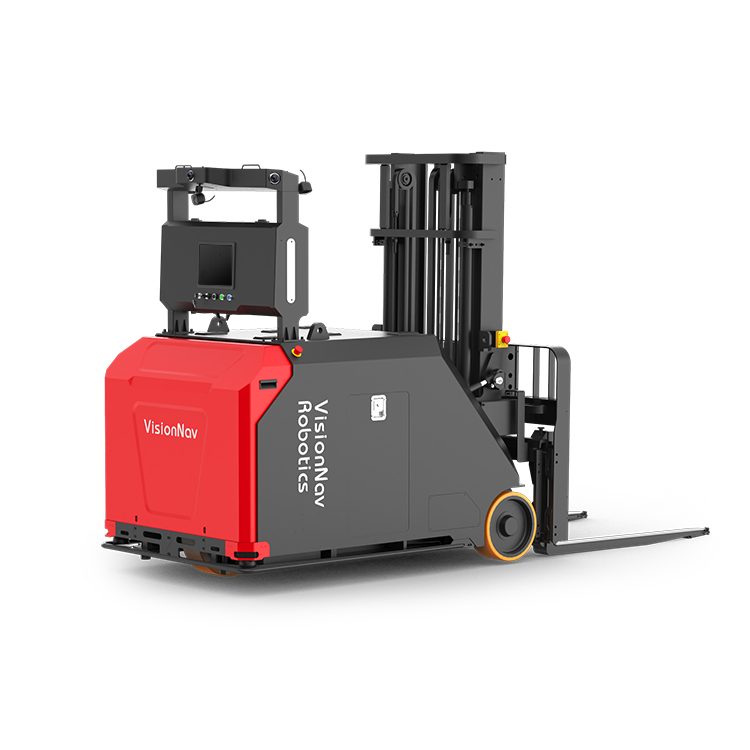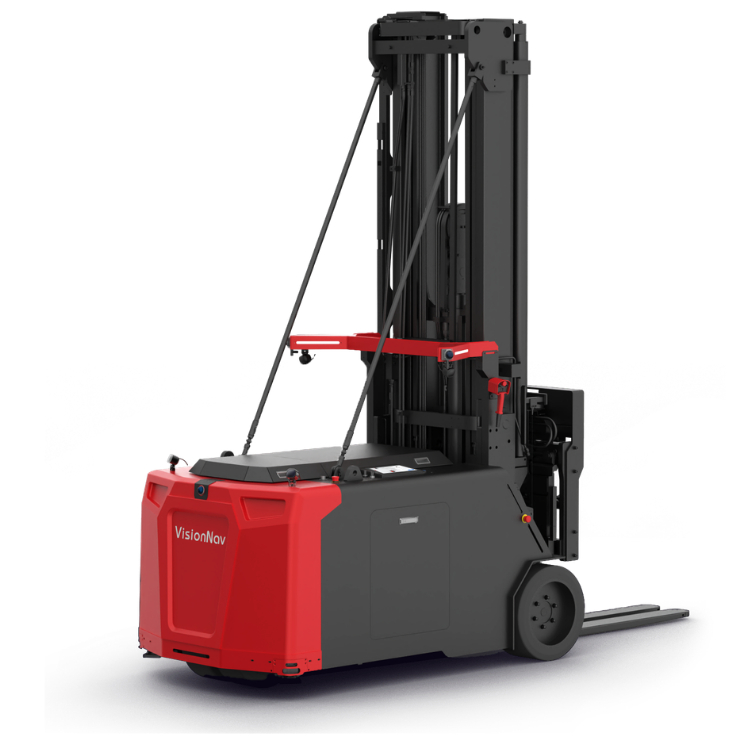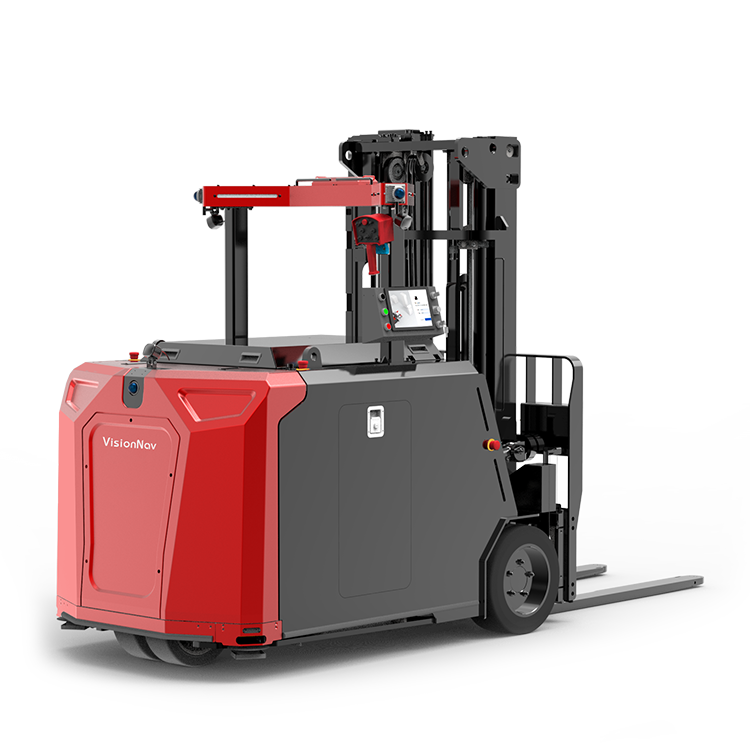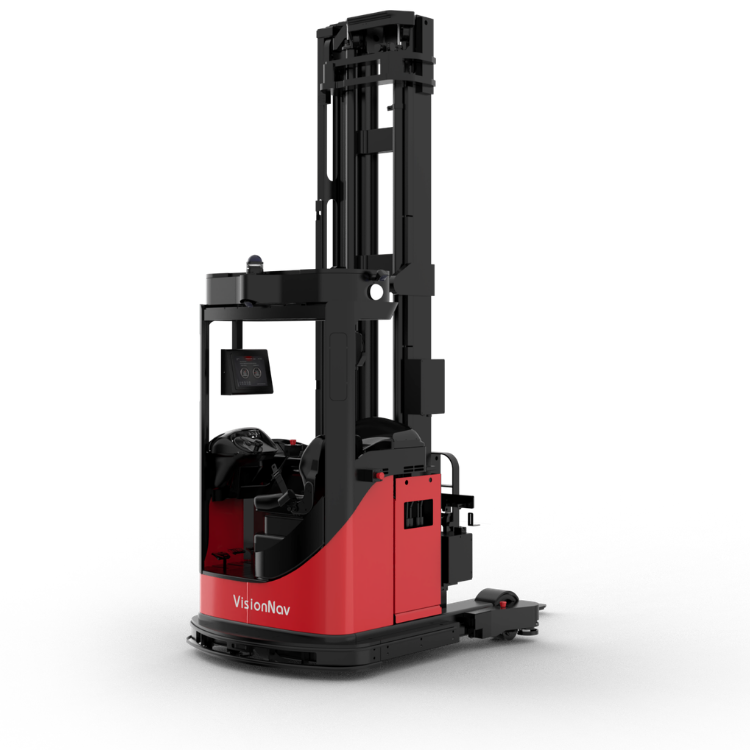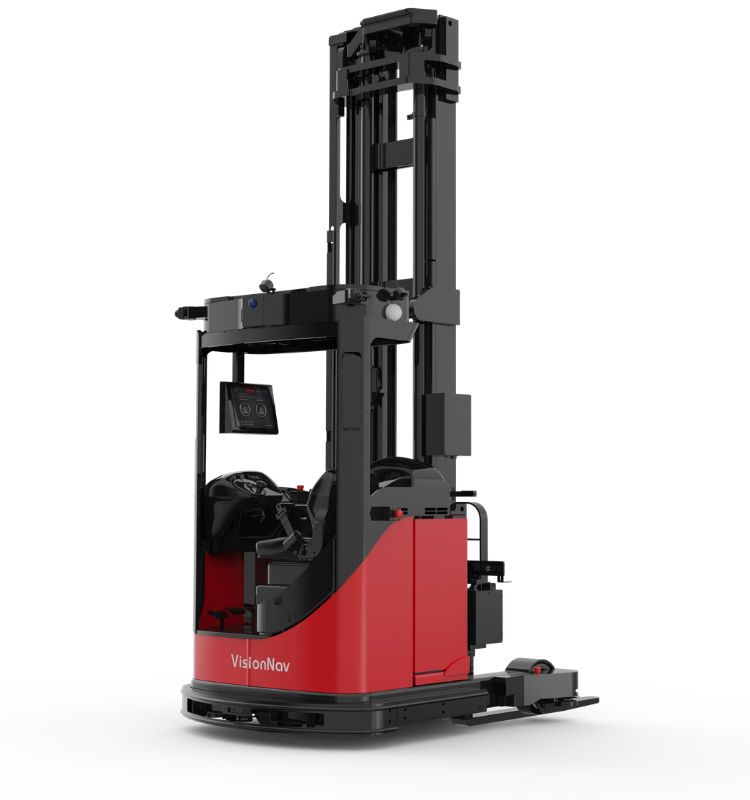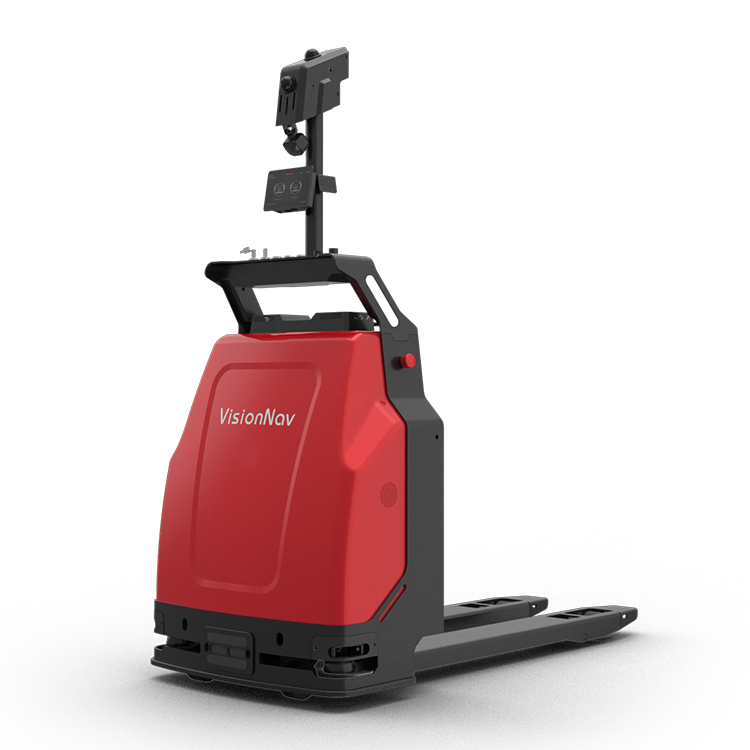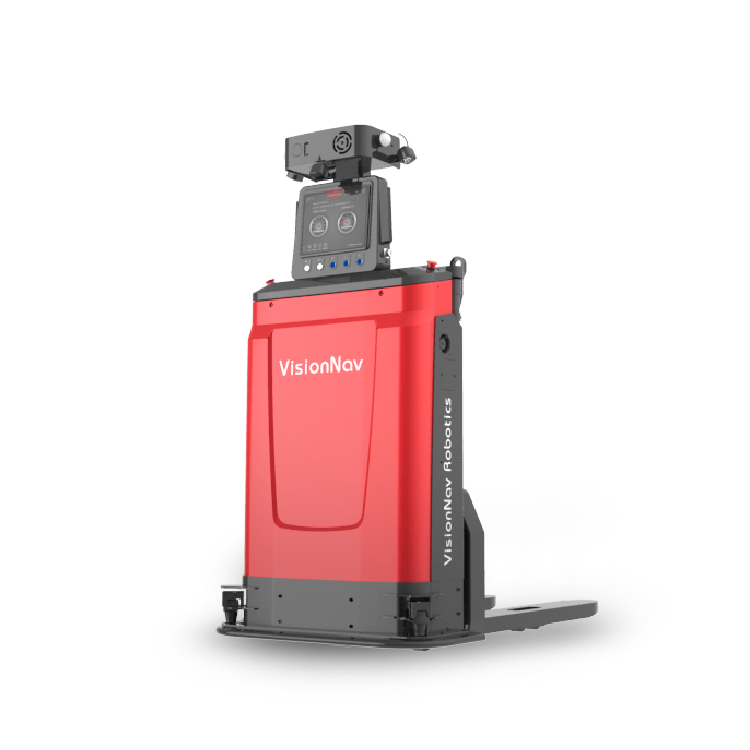

When companies evaluate autonomous forklifts, much of the conversation naturally centers on vehicle capability.
Can the robot handle the required load? Meet throughput targets? Navigate safely? Integrate with existing systems?
These questions matter. But long-term success also depends on decisions that can receive far less attention during the buying process:
What happens after the system goes live?
Who responds when assistance is needed? Are the right spare parts accessible? Who is trained to troubleshoot? How quickly can an issue be escalated? What maintenance is required to keep the fleet performing?
These are not simply after-sales questions. They are part of designing an automation system that can perform reliably over the long term.
An autonomous forklift becomes part of a larger operating environment that includes warehouse systems, production processes, operators, maintenance teams and other automation.
Support needs to fit into that environment too.
Start by defining the future operating model:
Some companies may want significant OEM involvement. Others may have sophisticated internal maintenance teams. A local service partner may play a larger role in another deployment. Many operations benefit from a hybrid approach.
There is no universally "best" model. The goal is to establish clear ownership before the system becomes operational.

Not every autonomous forklift deployment requires the same level of support.
A vehicle moving finished goods into an area with significant buffer capacity has different operational implications than one continuously feeding a production line.
When determining the appropriate coverage, consider:
Operational criticality. How quickly does an interruption affect production?
Operating schedule. Does the facility operate one shift or continuously?
Internal resources. Are trained technicians available onsite?
Fleet size. How many vehicles and workflows depend on the system?
Recovery expectations. How quickly is technical assistance needed?
This provides a more meaningful way to evaluate service than simply comparing package prices. A support program should reflect the operational responsibility being placed on the automation.

Training is critical, but buyers should look beyond whether a vendor includes a session during commissioning.
Different employees need different levels of knowledge. Operators need to understand normal system interactions and basic AGV recovery. Maintenance technicians may require deeper diagnostic capabilities.
Ask:
The goal is to create layers of support capability, allowing routine issues to be addressed at the appropriate level while more complex problems move through a clear escalation path.
Parts availability is another important consideration.
The question is not simply whether replacement parts exist.
Keeping every possible component onsite is rarely practical. Relying entirely on distant inventory can introduce unnecessary delays.
A balanced strategy can combine:
Selected critical spares onsite + broader inventory positioned regionally
VisionNav supports this approach with parts stored regionally, helping position inventory closer to the customers and operations it supports.
Regardless of vendor, buyers should understand which components are recommended onsite, where regional inventory is located, expected delivery times, and how consumed parts are replenished.
A supplier's parts distribution strategy can be just as important as its parts catalog.
Automation operates in dynamic environments.
Pallets can be damaged or misplaced. Aisles can become blocked. Sensors can become obstructed. Manual equipment can appear somewhere unexpected.
A useful automation evaluation should therefore examine more than ideal operation.
Ask suppliers how support progresses when something happens:
Robot-level recovery → Operator intervention → Technician diagnosis → Remote support → OEM escalation
Different issues should be resolved at the appropriate level.
Reliability metrics such as Mean Time Between Failures (MTBF) matter, but buyers should also consider Mean Time to Repair or Recover (MTTR).
When an issue occurs, how quickly can it be identified, diagnosed and resolved?
Training, diagnostic tools, documentation, remote support, parts availability and escalation procedures can all influence the answer.
Preventive maintenance should also be discussed before commissioning.
Buyers should understand:
The objective is to move from reactive intervention toward planned lifecycle management.
This gives operations teams greater visibility into maintenance requirements and allows service activities to be coordinated with production.
A successful Site Acceptance Test is important, but technical acceptance should be accompanied by operational readiness.
Before production begins, ask:
Are operators and technicians trained?
Are support contacts and escalation procedures documented?
Are critical spares available?
Has preventive maintenance been planned?
Is technical documentation accessible?
This changes the definition of "ready."
Instead of asking only whether the autonomous forklift can execute its missions, the organization asks whether it can operate, maintain and support the system after deployment.
The right support model can also change as automation scales.
The processes supporting two vehicles at one facility may not be sufficient for 20 vehicles across multiple sites.
As fleets grow, organizations may need standardized training, certified internal technicians, common maintenance procedures, regional spare-parts strategies, consistent documentation and fleet-level performance reviews.
That makes scalability an important vendor-evaluation question:
A strong automation partner should be able to support that progression, whether the customer ultimately needs greater OEM involvement, more internal capability, local partner coverage or a combination.

Long-term automation performance comes from the combination of:
Considering these elements early helps companies make better decisions about ownership, training, maintenance, spare parts and escalation before those decisions become urgent.
The VisionNav Success Decision Framework™ is designed to bring these conversations forward and help organizations consider what will be required throughout the automation lifecycle.
Because the goal should not simply be to reach go-live.
Planning an autonomous forklift deployment? Explore VisionNav Support & Service and start building lifecycle support into the strategy from day one.