

Manufacturers are under constant pressure to increase production efficiency, control operating costs, and maintain reliable material flow. Yet in many facilities, moving materials between production lines, storage areas, and shipping docks remains a labor-intensive process.
Manual forklifts and traditional material handling equipment continue to play important roles, but repetitive transport tasks can create bottlenecks, introduce variability, and divert skilled employees from higher-value work.
This is where automated guided vehicles (AGVs) for manufacturing can make a measurable difference.
AGVs automate material movement throughout manufacturing facilities, helping operations maintain consistent workflows, improve material visibility, and make better use of existing resources. However, like any capital investment, their value depends on the application, operating environment, and implementation strategy.
So, are AGVs worth the investment for manufacturers?
This guide examines the key benefits of AGVs in manufacturing, their most valuable applications, common implementation challenges, and the factors that determine return on investment or autonomous forklift ROI.
An automated guided vehicle (AGV) is a driverless industrial vehicle designed to transport materials throughout a manufacturing facility without continuous human operation.
AGVs use navigation technologies, sensors, and control software to move materials between designated locations. Depending on the vehicle type and application, they can transport pallets, production components, automotive cages, raw materials, and finished goods.
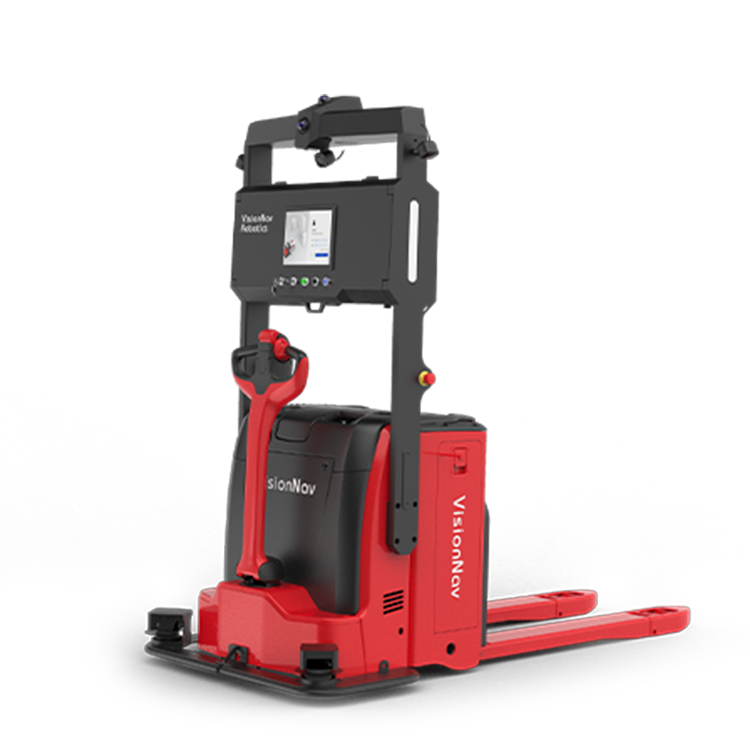
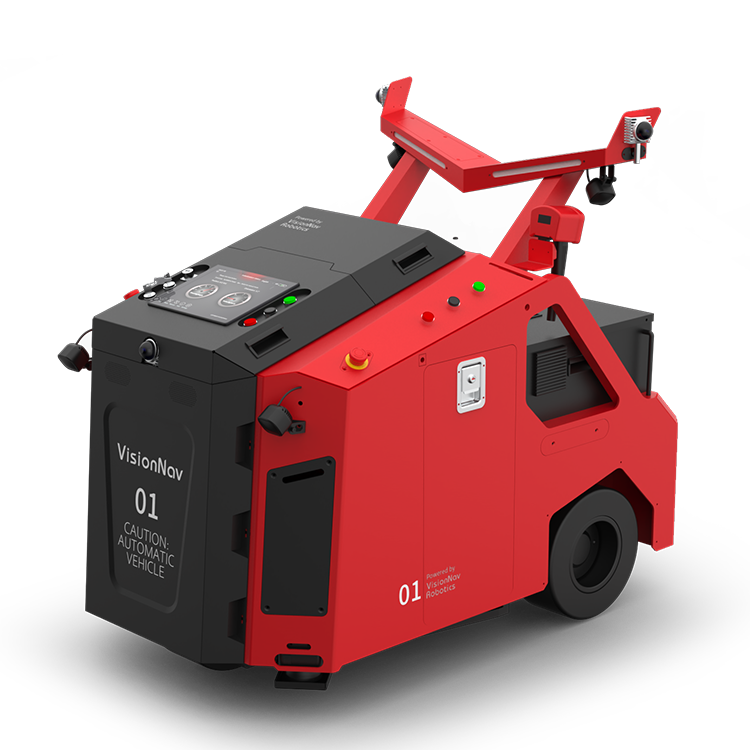
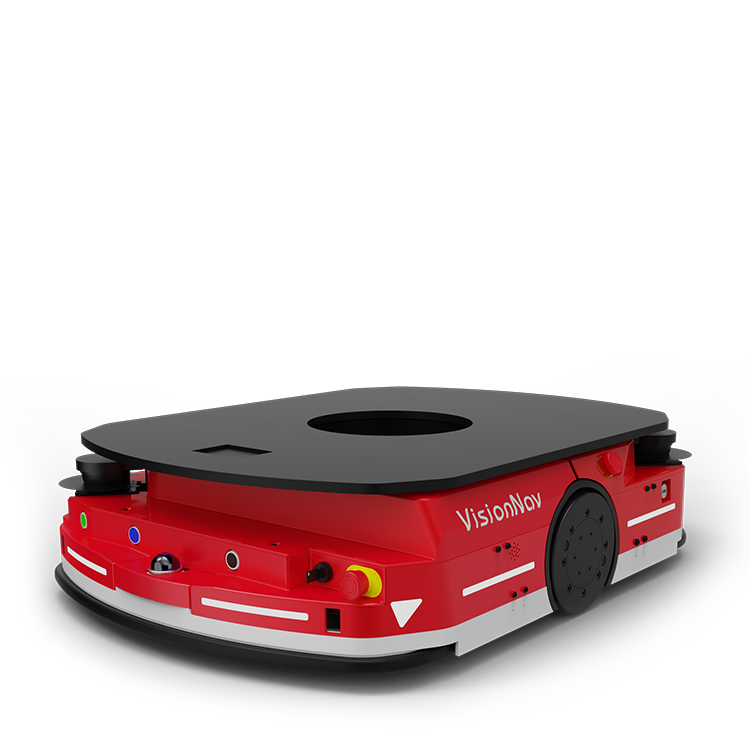
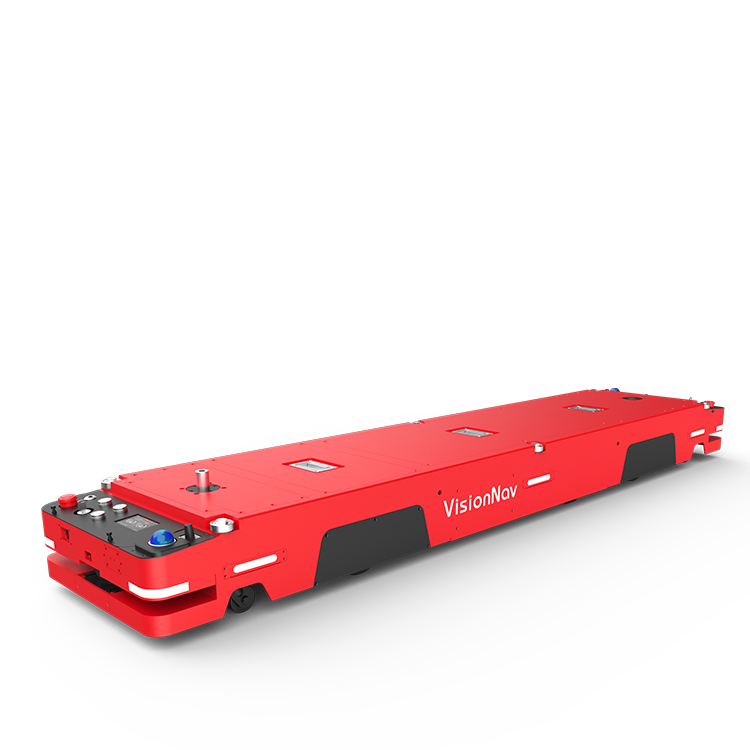
Common types of AGVs used in manufacturing include:
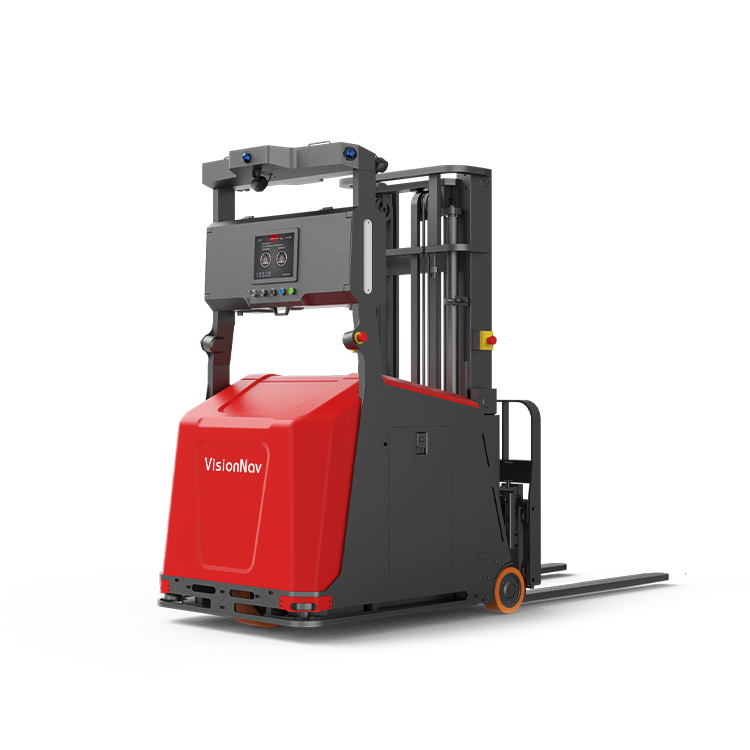
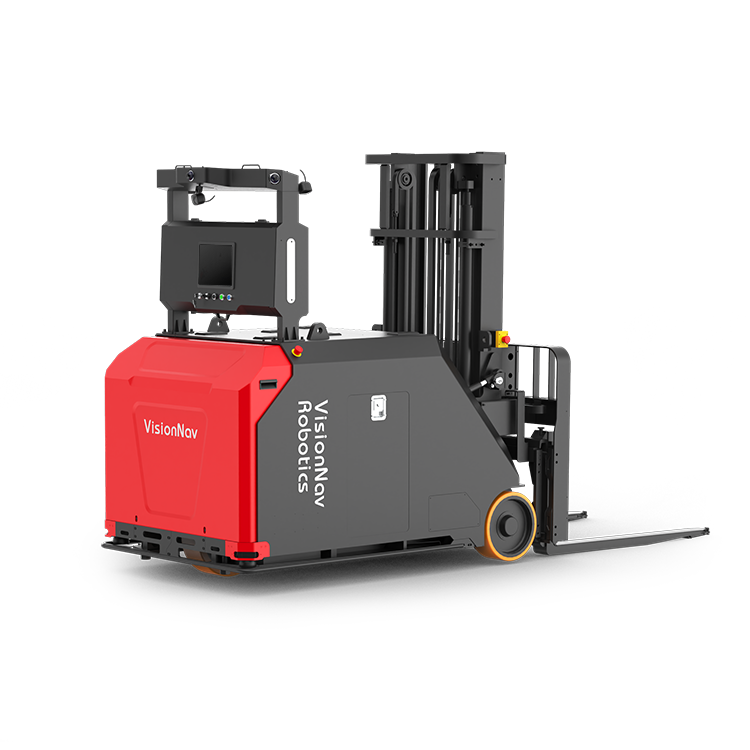
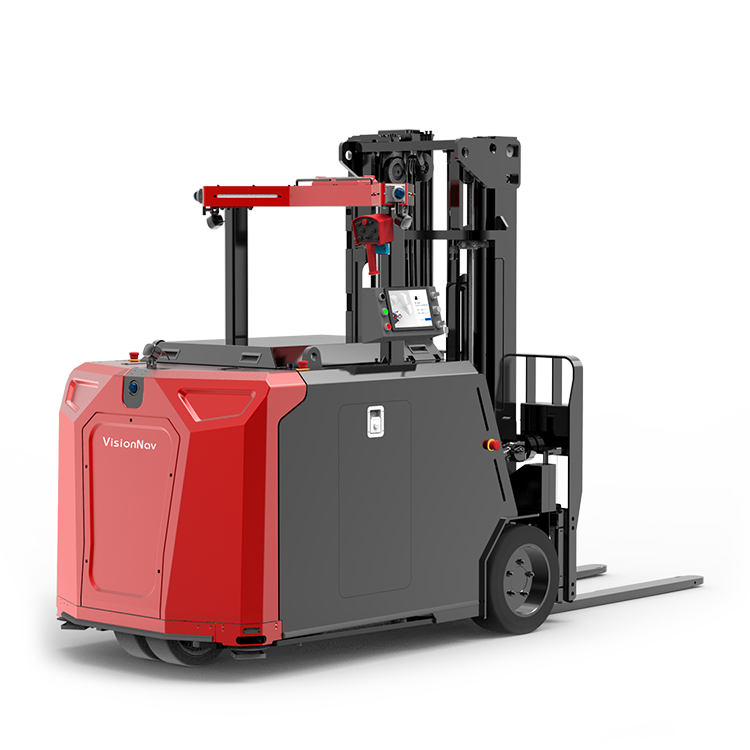
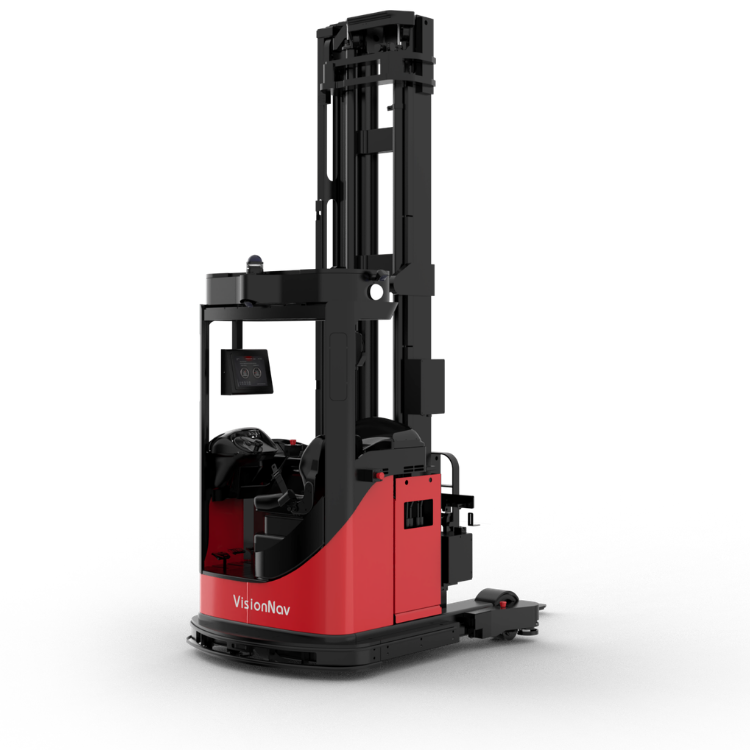
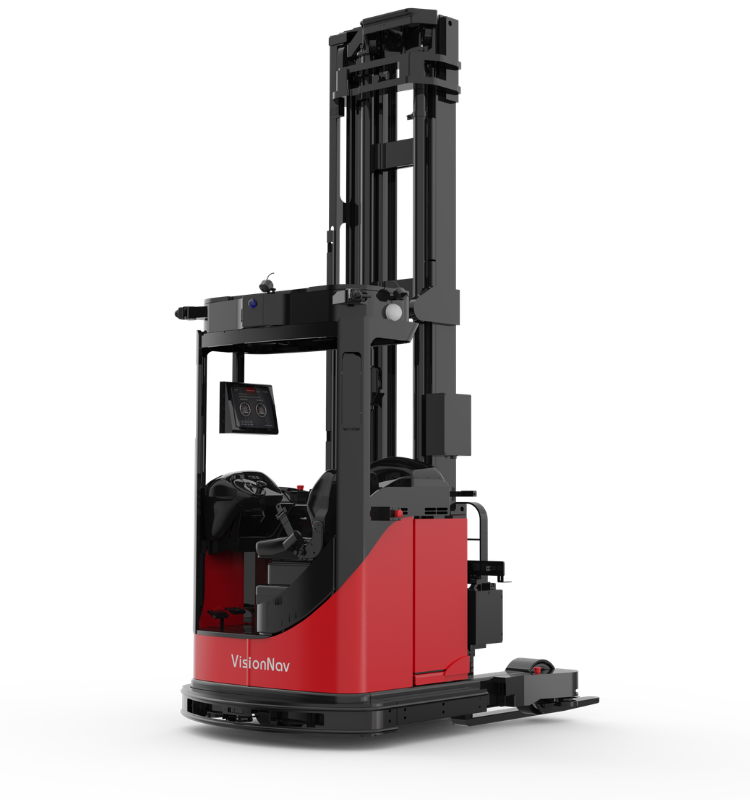
Autonomous forklifts: Automate pallet handling, material transport, stacking, and storage operations.
Automated tow tractors and tuggers: Pull multiple carts or trailers to deliver materials along production routes.
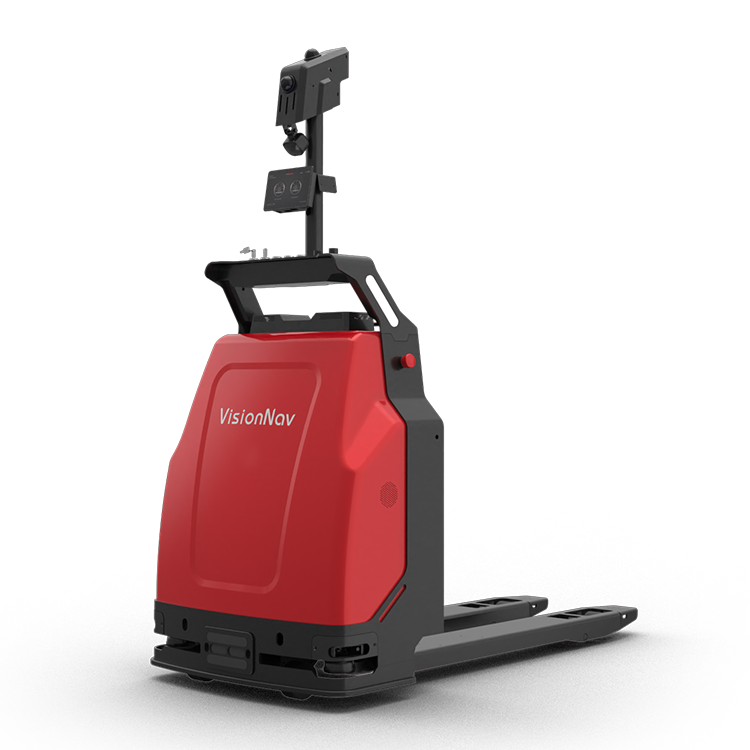
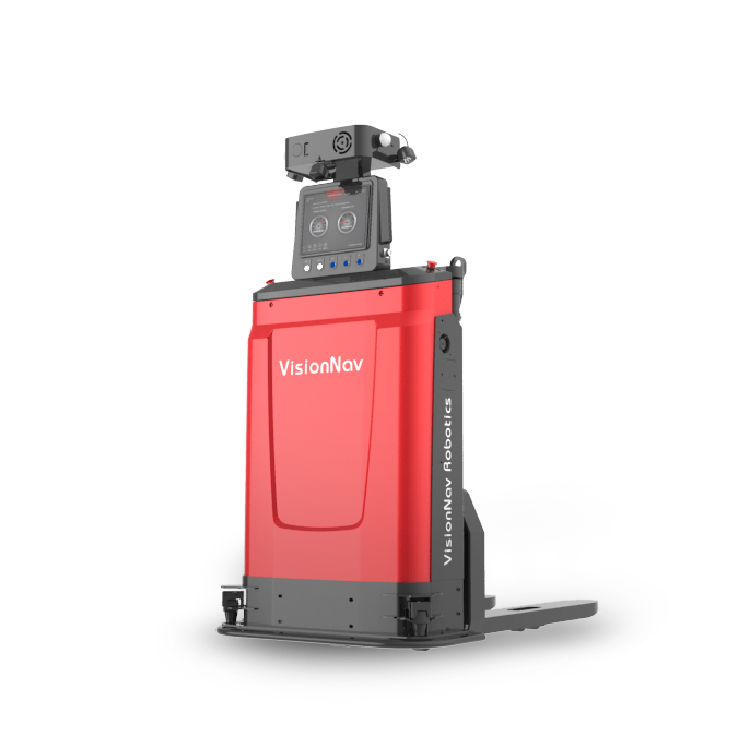
Automated pallet trucks: Handle horizontal pallet transport between production areas and storage locations.
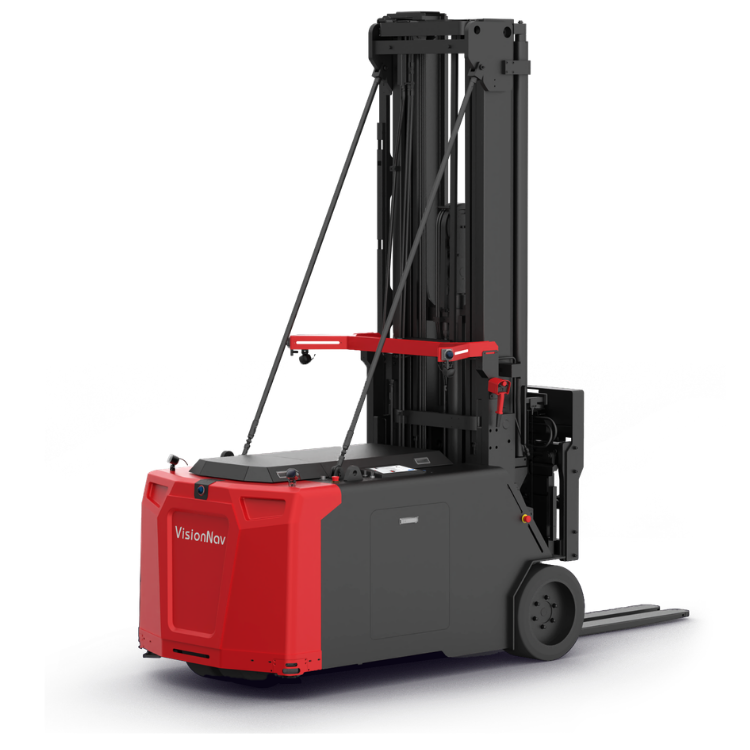
Automated stackers and reach trucks: Support vertical storage, rack replenishment, and high-density material handling.
Unit-load AGVs: Transport individual loads, containers, or components between workstations.
Traditional AGVs often follow predefined routes using magnetic tape, reflectors, or other guidance infrastructure. More advanced systems may incorporate laser navigation, simultaneous localization and mapping (SLAM), and multi-sensor perception to support more flexible movement.
Although AGVs and autonomous mobile robots (AMRs) are sometimes discussed as separate technologies, the distinction is increasingly application-dependent. Modern autonomous forklifts can combine the industrial load-handling capabilities associated with AGVs with the adaptive navigation capabilities of AMRs.
For manufacturers, the more important question is not necessarily which classification a vehicle falls under, but whether it can reliably execute the required workflow.
The business case for manufacturing AGVs extends beyond reducing manual material handling. When implemented effectively, AGVs can improve operational consistency, support production continuity, and provide greater visibility into material movement.
Manufacturing operations depend on materials arriving at the right location at the right time.
When material transport relies entirely on manual dispatching, delivery times can fluctuate based on operator availability, competing priorities, and congestion.
AGVs help standardize these movements by executing scheduled or system-triggered transport tasks.
For example, an AGV can automatically retrieve finished goods from a production line and transport them to a designated storage area. Once the delivery is complete, the vehicle can receive its next assignment without requiring a separate manual dispatch.
When integrated with production and warehouse systems, AGVs can also support just-in-time (JIT) and just-in-sequence (JIS) material delivery.
The result is a more predictable material flow that can reduce unnecessary waiting, support consistent production cycles, and improve coordination between departments.
One of the most common misconceptions about manufacturing automation is that its primary purpose is replacing employees.
In practice, many manufacturers evaluate AGVs because repetitive material transport consumes time that could otherwise be dedicated to production, quality control, maintenance, and other skilled activities.
Consider a production employee who must regularly leave their workstation to retrieve components or move completed materials. Even when each trip takes only a few minutes, these interruptions can accumulate across shifts.
Automating routine transport allows manufacturers to reallocate employee time toward tasks that require human judgment, troubleshooting, and process expertise.
This is particularly valuable for facilities experiencing labor shortages, high turnover, or difficulties staffing multiple shifts.
Rather than evaluating AGV ROI solely through headcount reduction, manufacturers should consider the operational value of recovering productive labor hours and reducing workflow interruptions.
Manufacturing facilities often require forklifts, pedestrians, and production equipment to operate in shared spaces.
This creates safety considerations involving vehicle traffic, visibility, intersections, and load handling.
AGVs can incorporate safety features such as obstacle detection, protective fields, controlled braking, and automated speed adjustments. These systems are designed to help vehicles respond consistently to defined operating conditions.
However, AGVs do not eliminate workplace hazards. Safe operation still requires appropriate traffic planning, risk assessments, equipment maintenance, and employee training.
The Occupational Safety and Health Administration (OSHA) identifies pedestrian interactions, falling loads, and forklift collisions as important industrial truck hazards.
By reducing certain manual transport activities and introducing controlled vehicle movements, AGVs can support a broader manufacturing safety strategy.
In manual material handling environments, understanding where materials are located often depends on operator communication, barcode scans, or periodic inventory updates.
AGVs connected to warehouse management systems (WMS), manufacturing execution systems (MES), or enterprise resource planning (ERP) platforms can provide more structured information about transport tasks and material movements.
Depending on system integration, manufacturers can track:
Transport task status and completion times
Vehicle locations and utilization
Material pickup and delivery events
Traffic congestion and workflow delays
Equipment availability and operational performance
This information can help identify inefficiencies that might otherwise remain hidden.
For manufacturers managing complex production schedules, improved material visibility can also support more accurate planning and faster responses to operational disruptions.
Not every manufacturer needs to automate an entire production facility at once.
Many AGV projects begin with a specific application, such as repetitive pallet transport between a production line and a warehouse.
Once that workflow is validated, the operation may expand automation to additional routes, departments, or shifts.
Modern navigation and fleet management technologies can also make it possible to adapt routes and task assignments as production requirements change.
However, scalability depends on factors such as vehicle capacity, traffic density, system architecture, and available infrastructure.
A successful implementation should account for future production volumes and operational changes from the beginning, rather than treating expansion as an afterthought.

AGVs are used across automotive, food and beverage, packaging, electronics, and other manufacturing environments.
Although applications vary by industry, the strongest opportunities generally involve repetitive, high-frequency material movements with clearly defined pickup and delivery requirements.
Production lines require a continuous supply of raw materials, components, and packaging supplies.
AGVs can transport these materials from storage areas or supermarkets to designated production workstations.
In automotive manufacturing, for example, automated tuggers may deliver component carts to assembly lines, while autonomous forklifts transport heavier palletized materials.
When connected to production systems, vehicles can receive transport requests based on inventory thresholds, production schedules, or operator signals.
Primary value: More reliable line replenishment, reduced manual transport, and improved material availability.
Many manufacturing operations require materials to move between multiple production stages before reaching final assembly or packaging.
These movements may involve transferring containers, pallets, or specialized carriers between machines and departments.
AGVs can automate WIP transportation, helping manufacturers coordinate material flow between processes.
For facilities with high production volumes, this can reduce unnecessary staging and improve consistency between production stages.
Primary value: Reduced material waiting time, improved process coordination, and greater WIP visibility.
At the end of a production line, completed products must be transported to staging areas, storage locations, or outbound shipping docks.
These movements are often repetitive and well suited to automation.
Autonomous forklifts can retrieve finished goods from conveyors or designated pickup points and transport them to storage areas.
Depending on the vehicle and load requirements, automated systems may also support pallet stacking, rack storage, and retrieval.
Primary value: Consistent finished goods movement, reduced production-area congestion, and more efficient warehouse transfers.
Not all manufacturing materials are transported on standard pallets.
Automotive and industrial manufacturing facilities frequently use metal cages, custom racks, bins, and other specialized load carriers.
Automating these applications requires careful evaluation of load geometry, weight distribution, fork entry points, stacking tolerances, and carrier variability.
For example, VisionNav Robotics has developed autonomous forklift solutions for automotive cage handling, including finished goods transportation, four-layer cage stacking, and empty cage destacking.
These applications demonstrate how manufacturing AGVs can extend beyond basic point-to-point transportation to support more complex material handling workflows.
Primary value: Automation of specialized carrier movements, improved storage utilization, and reduced repetitive handling.
Moving materials between manufacturing facilities and outbound transportation is another potential automation opportunity.
Autonomous forklifts can be configured for certain trailer loading and unloading applications, depending on vehicle capabilities, trailer conditions, load requirements, and site infrastructure.
These workflows require particular attention to dock safety, trailer positioning, floor conditions, and vehicle navigation.
For manufacturers with high shipping volumes, automating suitable loading and unloading processes may reduce repetitive dock operations and improve consistency.
Primary value: More predictable dock workflows and reduced dependence on manual vehicle movements.

Despite their benefits, AGVs are not automatically the right solution for every manufacturing operation.
The success of an AGV deployment depends on how effectively the technology is matched to the facility's existing workflows, systems, and operating conditions.
Understanding these challenges early helps manufacturers establish realistic expectations and reduce implementation risk.
AGVs rarely operate in isolation.
To support automated material flow, they may need to communicate with WMS, MES, ERP, warehouse control systems (WCS), conveyors, automated doors, and other equipment.
Integration complexity can increase when facilities rely on legacy systems or have inconsistent data structures.
Before deployment, manufacturers should determine which system will generate transport requests, how tasks will be prioritized, and how exceptions will be handled.
What to evaluate: System compatibility, interface requirements, communication protocols, and responsibility for integration and ongoing support.
Manufacturing floors are rarely static.
Pedestrians, manual forklifts, temporary staging areas, changing production layouts, and unexpected obstacles can all affect vehicle movement.
Traditional fixed-path AGVs may require route modifications when layouts change, while more advanced navigation systems can offer additional flexibility.
However, no navigation technology is completely independent of environmental conditions.
Manufacturers should evaluate whether the proposed AGV can handle their facility's traffic patterns, aisle dimensions, floor conditions, and expected operational variability.
What to evaluate: Navigation technology, obstacle handling, localization reliability, traffic management, and route modification requirements.
Load variability is a major consideration in manufacturing automation.
Materials may arrive on different pallet types, metal cages, specialized racks, or carriers with inconsistent positioning.
An AGV that performs well with standardized pallets may not be suitable for applications requiring precise alignment or complex stacking.
For these environments, manufacturers should evaluate the vehicle's perception capabilities, positioning accuracy, attachment options, and load verification methods.
Testing with actual production carriers is particularly valuable before deployment.
What to evaluate: Load dimensions, weight distribution, carrier condition, positioning tolerances, and required handling precision.
An automated material handling system must perform consistently to support production.
Unexpected vehicle downtime, navigation faults, integration issues, or charging interruptions can affect material availability and downstream operations.
Manufacturers should assess not only the vehicle's technical specifications but also the supplier's service capabilities and support model.
Important considerations include spare parts availability, remote diagnostics, on-site service coverage, preventive maintenance, and response times.
A well-designed implementation should also include recovery procedures for equipment failures and operational exceptions.
What to evaluate: System availability, fault recovery, maintenance requirements, local support capabilities, and service-level expectations.
Introducing AGVs changes how materials move throughout a facility and how employees interact with equipment.
Operators, maintenance teams, production supervisors, and safety personnel may all require new training.
Successful deployments establish clear procedures for vehicle interactions, exception handling, and escalation.
Involving employees early in the planning process can help identify practical workflow challenges and improve adoption.
What to evaluate: Training requirements, operational ownership, change management, and long-term process support.
The return on investment for manufacturing AGVs depends on the application's operating costs, transport frequency, labor requirements, and expected performance improvements.
Although labor savings are often included in the business case, evaluating only headcount can overlook important operational benefits.
A more complete AGV ROI assessment should consider both direct financial savings and broader productivity improvements.
These are typically the easiest costs to quantify:
Labor hours associated with repetitive material transport
Overtime and temporary labor expenses
Manual forklift ownership or leasing costs
Equipment maintenance and operating expenses
Material damage and rework costs
These can be more difficult to quantify but may significantly influence the business case:
Reduced production interruptions caused by delayed materials
Improved material flow and throughput
Better employee utilization
Reduced exposure to certain material handling hazards
Greater material traceability
Improved consistency across multiple shifts
A simplified payback calculation is:
AGV Payback Period = Total Initial Investment ÷ Annual Net Savings
For example, consider a hypothetical manufacturing application with the following economics:
| Cost or savings category | Amount |
|---|---|
| AGV equipment and implementation | $300,000 |
| Annual transport labor savings | $100,000 |
| Annual equipment and operational savings | $35,000 |
| Annual AGV maintenance and support | $15,000 |
| Annual net savings | $120,000 |
| Estimated simple payback | 2.5 years |
Illustrative example only. Actual project costs, savings, and payback periods depend on facility requirements and operating conditions.
This calculation provides a starting point, but manufacturers should also account for software fees, integration changes, infrastructure, financing, training, and potential downtime during implementation.
For a more complete financial evaluation, consider total cost of ownership (TCO) over the expected system life, including equipment replacement and ongoing support.
The Material Handling Industry's MHI organization also recommends evaluating both direct and indirect benefits when calculating AGV ROI.
Ultimately, the strongest business cases are built around measurable operational improvements rather than equipment cost alone.
Before investing in AGVs, manufacturers should evaluate whether the proposed application offers sufficient operational value and can be automated reliably.
The following questions can help identify suitable opportunities.
Applications with frequent, repeatable transport tasks are often strong starting points.
Map existing routes, transport frequency, cycle times, and pickup and delivery requirements to identify potential automation opportunities.
Calculate the labor hours, equipment costs, delays, and other expenses associated with the current process.
This establishes a baseline for evaluating potential savings.
Evaluate real production carriers, aisle dimensions, floor conditions, and workflow variability.
A successful demonstration should reflect actual operating requirements rather than idealized test conditions.
Determine whether the application requires integration with production scheduling, inventory management, or other equipment.
Clearly define how transport tasks will be generated, assigned, monitored, and completed.
Ask potential suppliers how their systems respond to blocked routes, misaligned loads, communication interruptions, and vehicle faults.
Reliability should be evaluated through normal operations as well as exception scenarios.
Consider whether the system can accommodate additional vehicles, new routes, higher throughput, and changes in production layout.
A scalable solution should support the manufacturer's longer-term operational goals.
AGVs and manual forklifts are not necessarily competing solutions. In many manufacturing facilities, they serve complementary roles.
| Evaluation factor | AGVs | Manual forklifts |
|---|---|---|
| Repetitive transport | Well suited to standardized, high-frequency tasks | Requires operator availability |
| Unplanned tasks | Depends on vehicle capability and configuration | Highly flexible with skilled operators |
| Multi-shift operations | Can support scheduled, extended operation | Requires staffing across shifts |
| System integration | Can connect to production and warehouse systems | Typically relies on operator-driven workflows |
| Initial investment | Higher system and integration costs | Generally lower initial implementation complexity |
| Load handling | Depends on vehicle design, attachments, and perception | Adaptable within equipment and operator limits |
| Operational consistency | Repeatable task execution within validated conditions | Performance varies with operating conditions and operator availability |
For manufacturers with frequent, predictable material movements, AGVs may offer substantial advantages.
However, manual forklifts can remain more practical for low-frequency tasks, highly variable assignments, and situations requiring frequent human judgment.
A hybrid approach, automating repetitive workflows while retaining manual equipment for specialized or unpredictable tasks, may provide the best balance of flexibility and efficiency.
Selecting the right AGV for manufacturing involves more than choosing a vehicle with the appropriate payload capacity or navigation technology.
Successful automation requires a solution that can operate within the manufacturer's existing processes, handle real production loads, and integrate with the broader facility environment.
VisionNav Robotics develops autonomous material handling solutions for manufacturing and industrial logistics applications, including pallet transportation, production line replenishment, specialized carrier handling, high-level stacking, and trailer operations.
Through advanced perception technologies, autonomous navigation, and fleet orchestration software, VisionNav solutions are designed to address complex material handling requirements.
VisionNav also offers application-specific demonstrations, allowing manufacturers to evaluate automation workflows using their own load carriers and operating requirements before deployment.
By validating real-world conditions early, manufacturers can better understand technical feasibility, implementation requirements, and potential operational value.
For manufacturing facilities with repetitive material movements, high transport volumes, and opportunities to improve production flow, AGVs can deliver meaningful long-term value.
The strongest benefits often extend beyond labor savings to include improved operational consistency, better material visibility, more effective workforce utilization, and scalable automation.
However, realizing these benefits requires careful planning.
Integration complexity, load variability, navigation requirements, system reliability, and ongoing support all influence the success of an AGV deployment.
Rather than asking whether AGVs are universally worth the investment, manufacturers should ask a more specific question:
Which material handling processes can automation improve, and what measurable value will those improvements create?
Answering that question is the first step toward building a successful manufacturing automation strategy.
Ready to evaluate AGVs for your manufacturing operation?
Explore VisionNav Robotics' autonomous material handling solutions or schedule a customized demonstration to see how automation can support your facility's specific workflows.
Explore VisionNav Solutions in Manufacturing | Schedule a Demo
An AGV, or automated guided vehicle, is a driverless industrial vehicle used to transport materials within manufacturing facilities. AGVs automate tasks such as pallet transportation, production line replenishment, finished goods handling, and specialized carrier movement.
The main benefits include improved material flow, reduced repetitive manual transport, greater operational consistency, enhanced material visibility, and more efficient workforce utilization. Actual results depend on the application and implementation.
AGV costs vary based on vehicle type, payload capacity, navigation technology, integration requirements, and fleet size. Manufacturers should evaluate total system costs, including software, implementation, maintenance, and support, rather than comparing vehicle prices alone.
AGV payback periods depend on transport volume, labor utilization, operating hours, integration costs, and other factors. Manufacturers can estimate simple payback by dividing total initial investment by expected annual net savings.
Yes. AGVs can operate in facilities with pedestrian traffic and manual equipment when appropriate safety measures, traffic management, and risk assessments are implemented. Safe coexistence depends on vehicle capabilities and site-specific conditions.
AGVs are used in automotive, food and beverage, electronics, packaging, pharmaceuticals, and other manufacturing industries. Common applications include production line feeding, work-in-process transportation, pallet handling, and finished goods movement.
Traditional AGVs generally follow defined routes, while AMRs use more adaptive navigation to move through changing environments. Modern autonomous industrial vehicles can incorporate capabilities associated with both technologies, making application suitability more important than terminology alone.