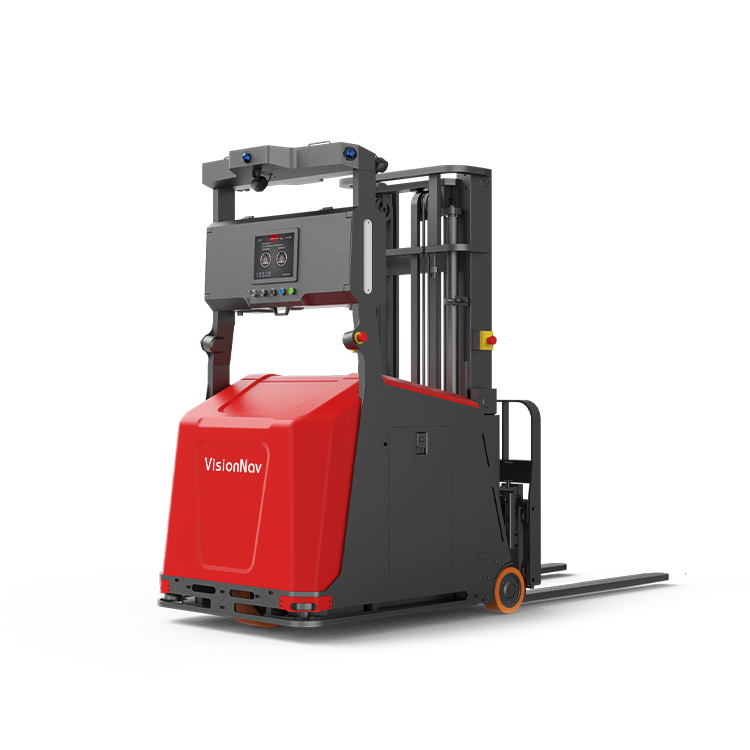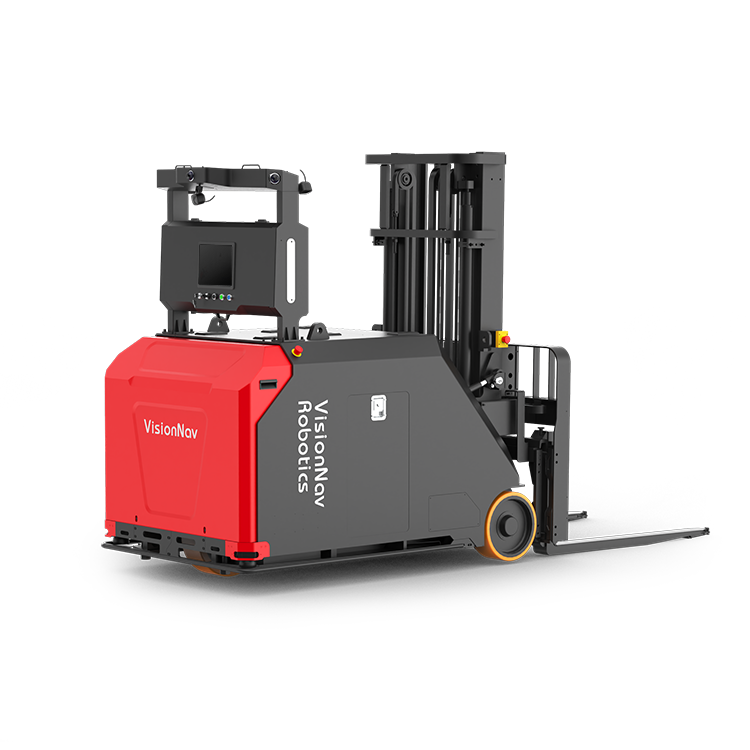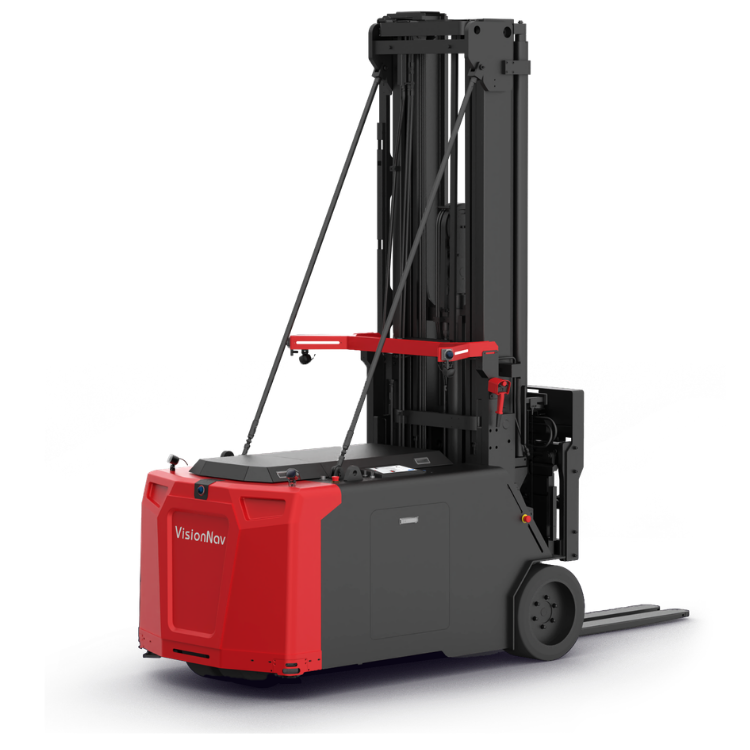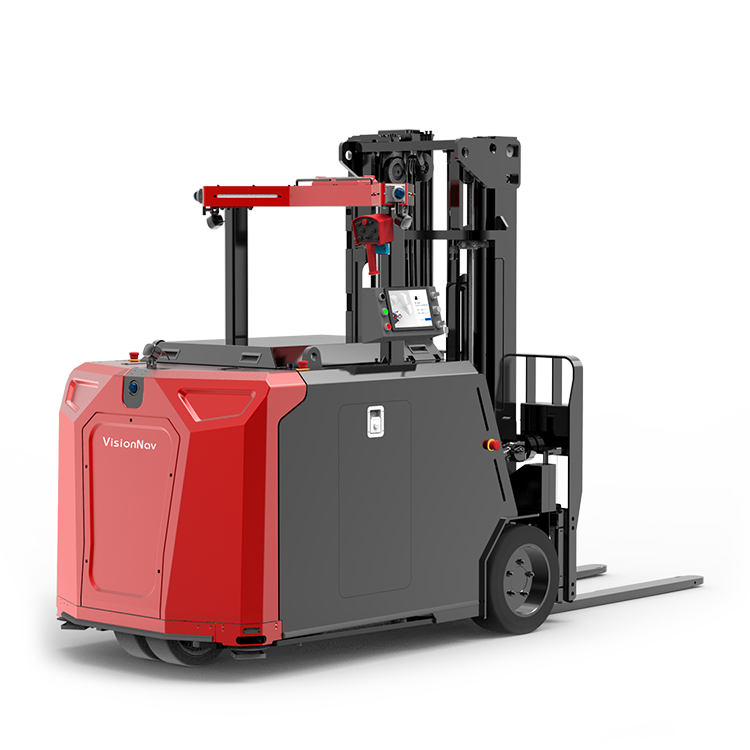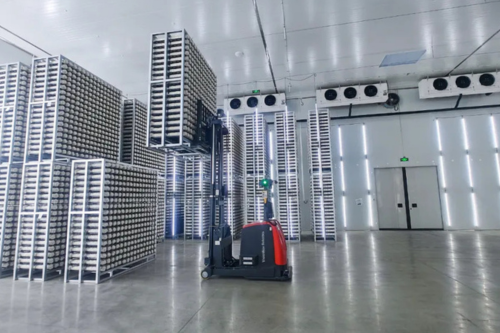

Adding more autonomous guided vehicles (AGVs) to a facility might seem like a straightforward way to increase material handling capacity. More vehicles should mean more tasks handled, shorter transport times, and greater productivity, right?
That's not necessarily true in every instance.
As AGV fleets expand, vehicles must share aisles, navigate intersections, respond to competing task priorities, and coordinate charging schedules. Without smart AGV fleet management, adding more vehicles can sometimes introduce bottlenecks rather than eliminate them.
The key to scaling autonomous material handling isn't simply deploying more robots. It's coordinating them as one efficient system.
AGV fleet management is the centralized coordination of multiple autonomous guided vehicles operating within a shared environment. Fleet management software connects individual vehicles with individual workflows to provide efficiently managed AGV fleet orchestration.
An effective AGV fleet management system coordinates four key functions:
Task dispatching: Assigning transport requests based on vehicle availability, capabilities, location, and operational priorities.
Traffic management: Coordinating vehicle movement through shared aisles, intersections, and restricted areas.
Charging management: Balancing battery requirements and charging availability with transport demand.
System integration: Connecting AGVs with warehouse management systems (WMS), manufacturing execution systems (MES), and other automated equipment.
Together, these functions allow individual vehicles to operate as one coordinated material handling system.
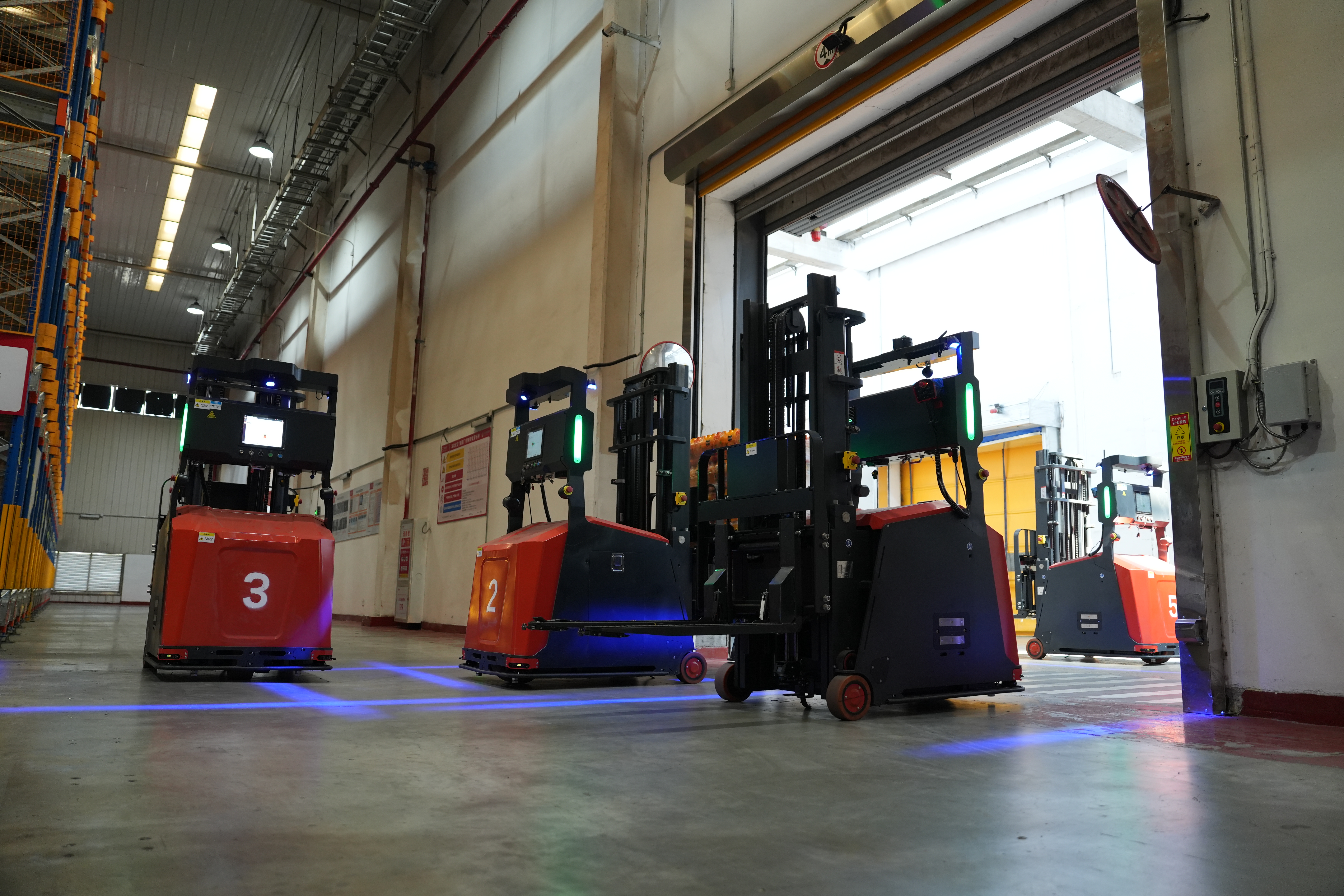
One of the most important responsibilities of AGV fleet management software is determining which vehicle should execute each transport request.
In A manufacturing facility operating multiple autonomous forklifts across production lines, storage areas, and outbound staging locations, assigning a task to the closest available vehicle might seem efficient. However, proximity as a deciding factor doesn't always produce the best result.
Fleet management systems may evaluate:
Vehicle availability: Is the AGV already completing another assignment?
Equipment capabilities: Can it handle the required load or lifting height?
Task priority: Is the request supporting a time-sensitive production process?
Travel requirements: How far must the vehicle travel, and which routes are available?
Battery status: Does the vehicle have sufficient charge to complete the task?
For example, assigning a nearby AGV to a low-priority warehouse transfer could delay a more urgent material delivery to a production line.
Intelligent dispatching helps balance workloads, reduce unnecessary travel, and prioritize movements according to operational requirements.
The objective isn't simply to keep every vehicle busy. It's to ensure the right work gets completed at the right time.
As fleets grow, shared aisles, intersections, and narrow passages become increasingly complex to manage.
Multiple AGVs approaching the same intersection, traveling through narrow aisles, or accessing shared docking stations can create congestion and unnecessary waiting.
Without coordination, these conditions can even result in deadlocks, where vehicles cannot proceed without intervention.
Fleet management systems can coordinate vehicle movement using route reservations, intersection priorities, traffic rules, and dynamic path planning.
For example, when two AGVs approach a narrow passage that accommodates only one vehicle, the system can coordinate access so one proceeds while the other waits.
Depending on the system architecture, fleet management software may also redirect vehicles around congestion or adjust task assignments to reduce traffic.
These functions complement the safety systems installed on individual vehicles.
Effective traffic management isn't just about preventing conflicts. It's about keeping material moving efficiently throughout the facility.
Charging is a critical consideration when scaling autonomous vehicle fleets, particularly in multi-shift operations.
Without a coordinated strategy, multiple AGVs may require charging simultaneously, reducing the number available for transport tasks.
Two common approaches include:
Scheduled charging: Reserving designated periods for vehicles to recharge, often during planned downtime or lower-demand shifts.
Opportunity charging: Allowing compatible AGVs to recharge between assignments to maintain battery levels without extended interruptions.
Effective charging management considers battery status, workload demand, charger availability, and operating schedules.
For example, staggering charging periods can help prevent too many vehicles from becoming unavailable during peak production hours.
Charging shouldn't be treated as an interruption to fleet operations. It should be part of the operational plan.
One of the biggest misconceptions about fleet expansion is that throughput increases proportionally with vehicle count.
If one AGV completes ten transport tasks per hour, deploying ten vehicles doesn't necessarily mean the facility can complete 100 tasks per hour.
Consider a warehouse where multiple autonomous forklifts transport pallets to a shared outbound staging area.
Adding vehicles may initially increase throughput. However, as the fleet grows, congestion around staging locations and intersections can increase waiting time. Eventually, additional AGVs may contribute little extra capacity because shared infrastructure becomes the limiting factor.
Fleet throughput is a system-level outcome, not a vehicle-count metric.
Several factors influence overall performance:
Task cycle time: Time required to complete transport requests, including travel and waiting.
Fleet utilization: How effectively available vehicle time is used.
Traffic delays: Time lost at intersections, shared routes, and restricted areas.
Equipment availability: Access to conveyors, docking stations, and other shared resources.
Task distribution: How efficiently work is allocated across the fleet.
Fleet management software helps coordinate these factors, but facility layout, process design, and equipment capacity must also be considered.
Simulation and throughput analysis can help manufacturers identify potential bottlenecks before expanding their fleets.
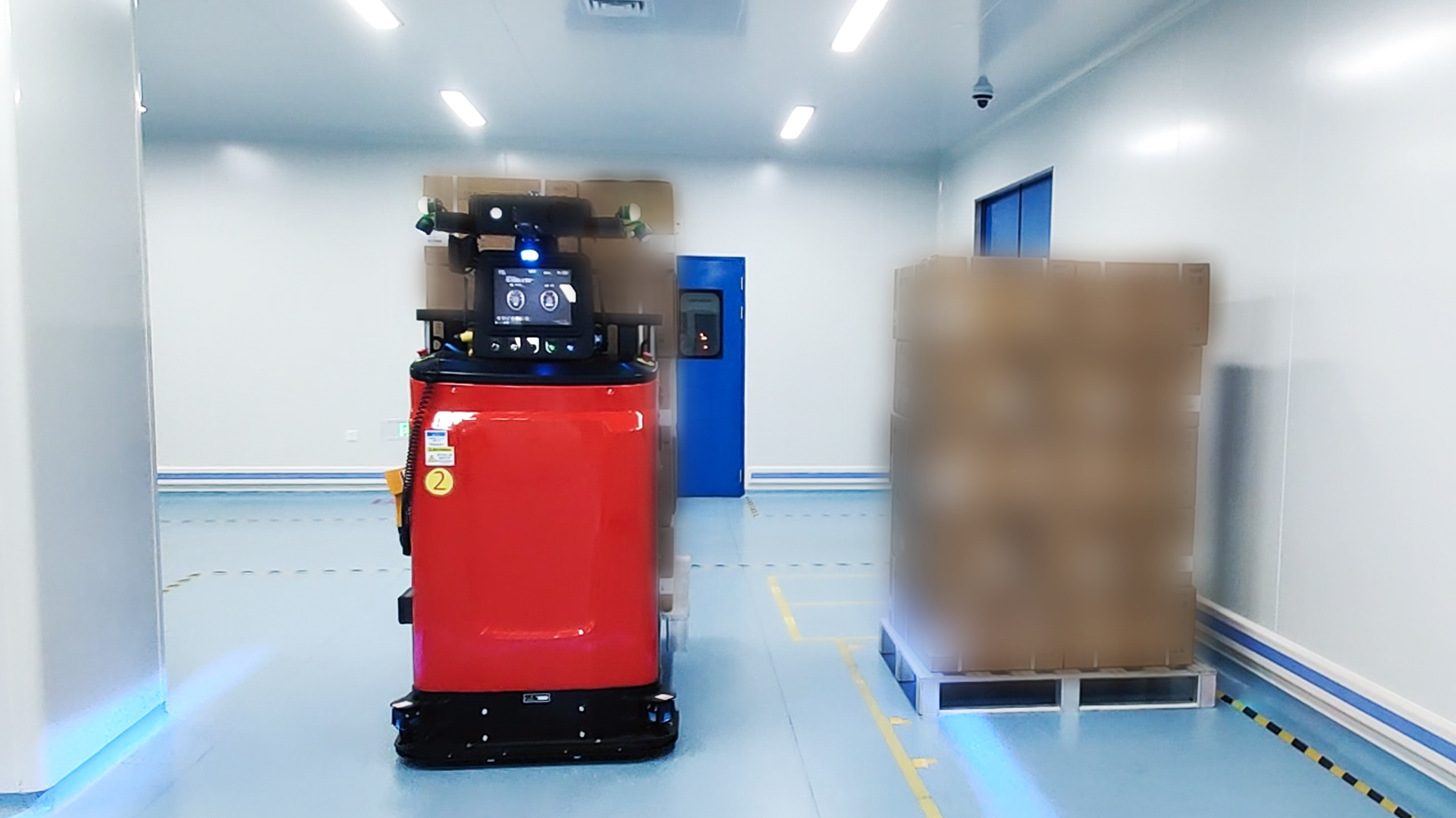
AGVs rarely operate independently of other warehouse and production processes.
A WMS may generate a request to move a pallet from storage to shipping, while an MES may trigger material replenishment when a production line requires additional components.
AGV fleet management software translates these requests into vehicle assignments and coordinates their execution.
Integration with WMS, MES, ERP, and automated equipment can support:
Automatic transport task generation
Pickup and delivery confirmations
Coordination with conveyors and transfer stations
Material movement status updates
Task prioritization and exception reporting
Successful integration requires clearly defined task triggers, equipment handshakes, and recovery procedures.
For example, an AGV should not be dispatched to collect a pallet from a conveyor unless the equipment confirms that the load is ready for transfer.
By connecting autonomous vehicles with operational systems, fleet management helps ensure material movements align with production and inventory requirements.
When evaluating AGV fleet performance, vehicle count and travel speed tell only part of the story.
Manufacturers should also monitor:
| Task completion rate | Percentage of assigned transport tasks successfully completed |
| Average task cycle time | Time from task assignment to delivery |
| Fleet utilization | How available vehicle time is distributed across productive work and other activities |
| Traffic-related waiting time | Delays caused by intersections, shared routes, or restricted areas |
| Charging-related availability | How charging requirements affect the number of vehicles available for tasks |
Tracking these metrics helps identify operational bottlenecks, evaluate fleet efficiency, and determine whether additional vehicles will improve performance and ultimately autonomous forklift ROI.
As autonomous material handling operations expand, centralized fleet coordination becomes increasingly important.
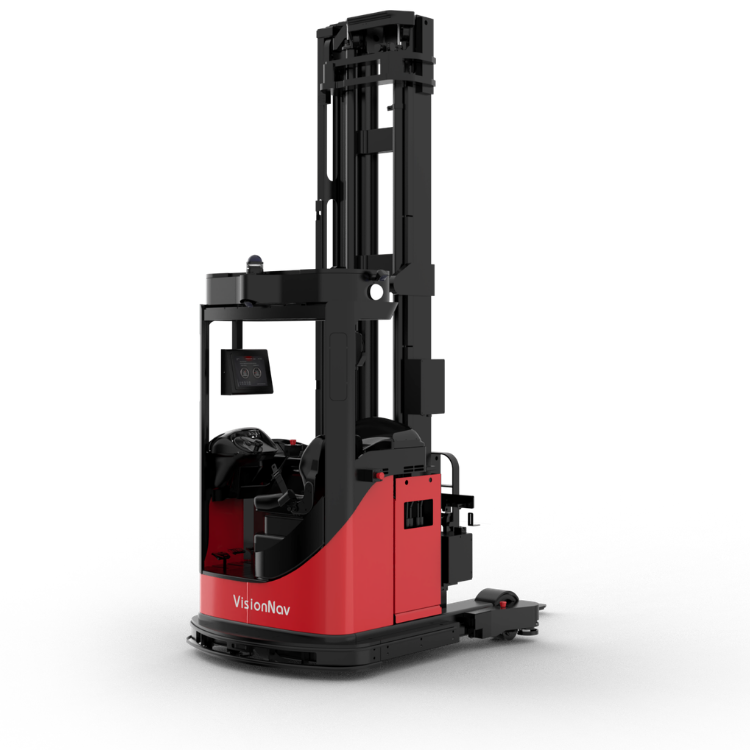
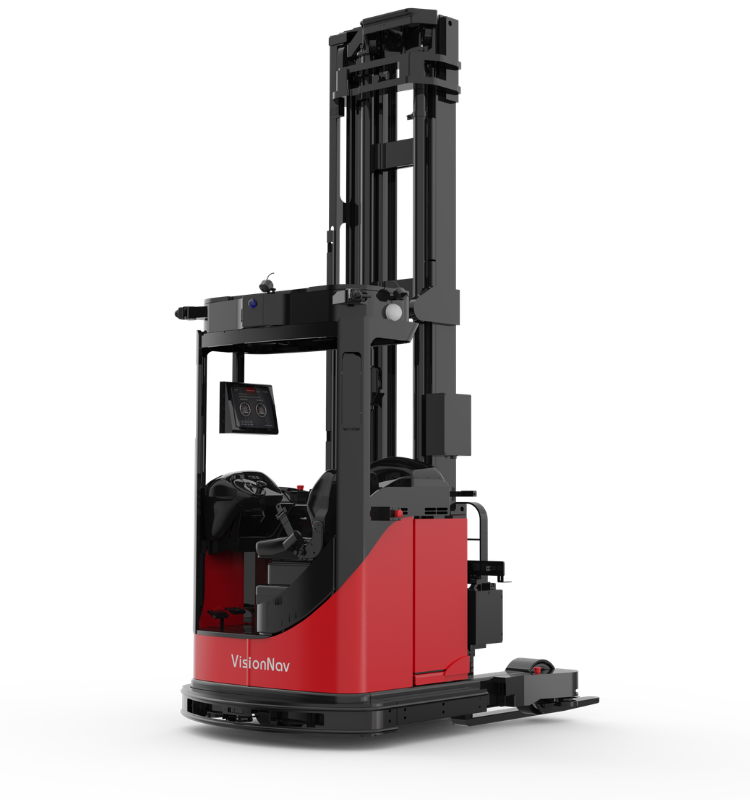
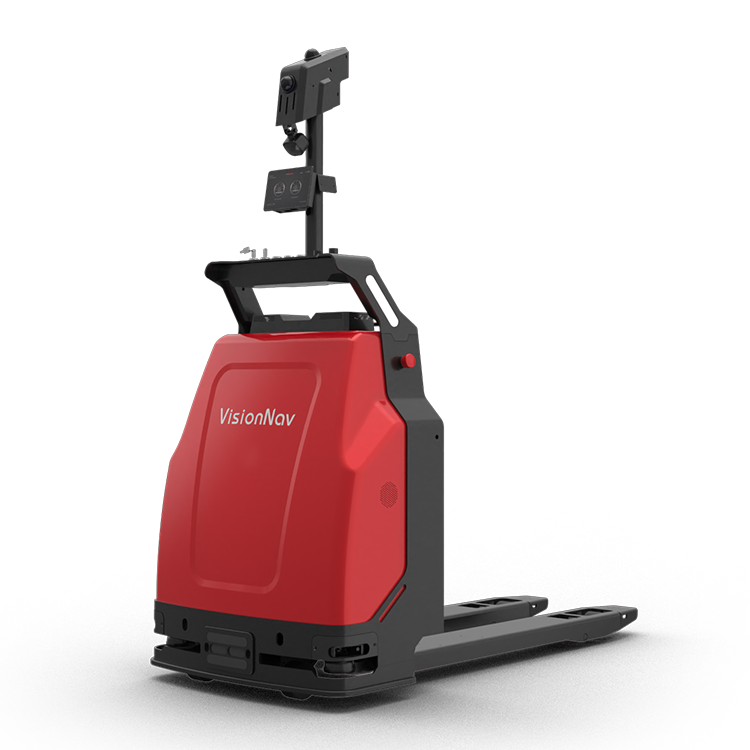
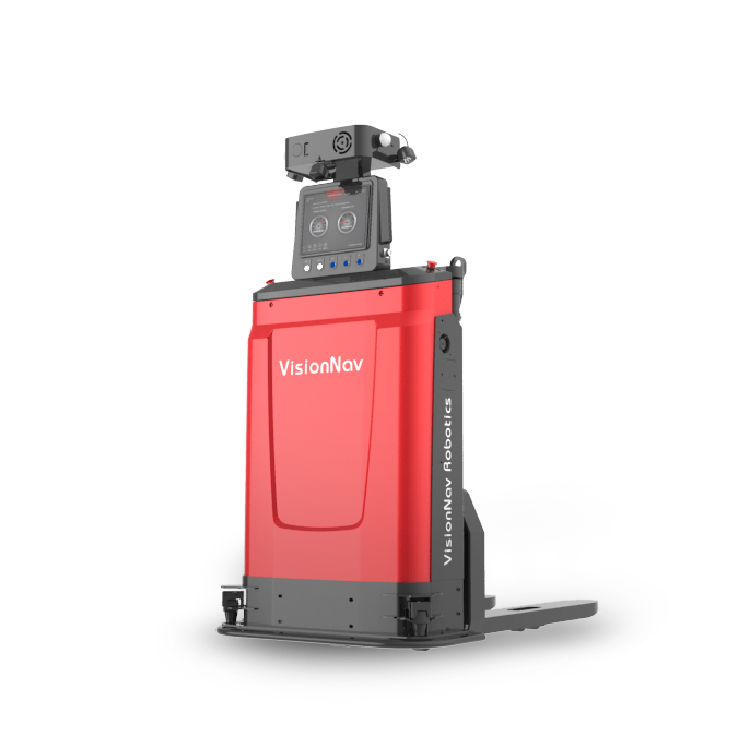
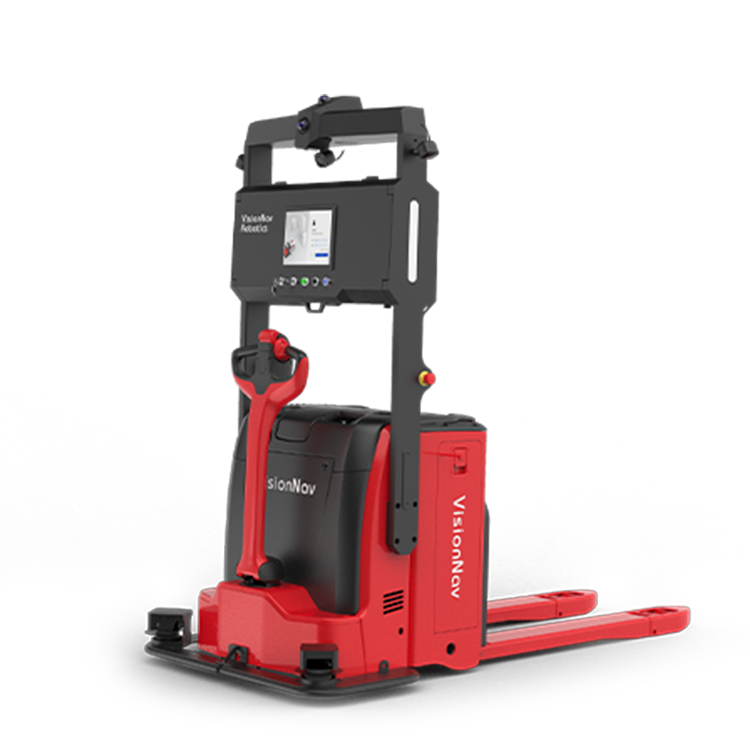
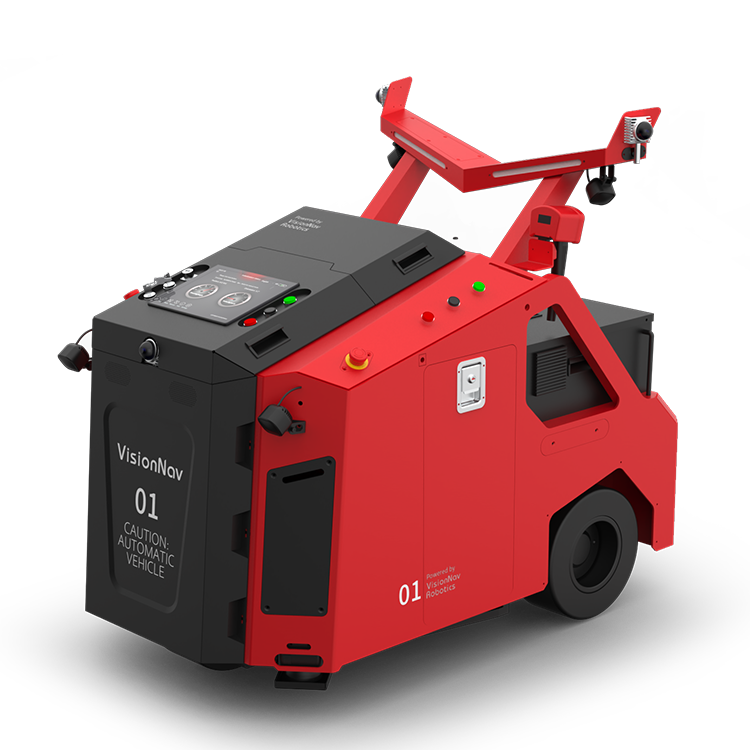
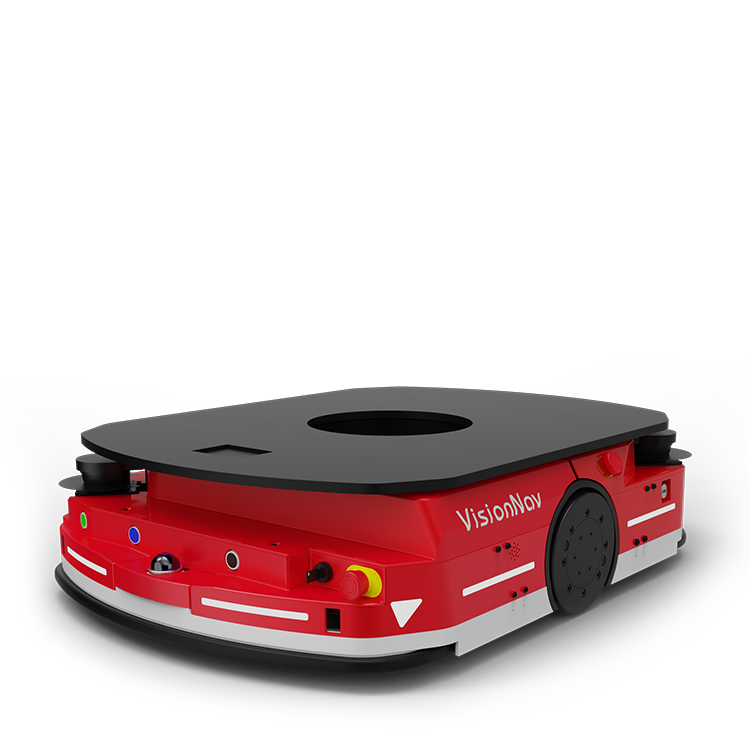
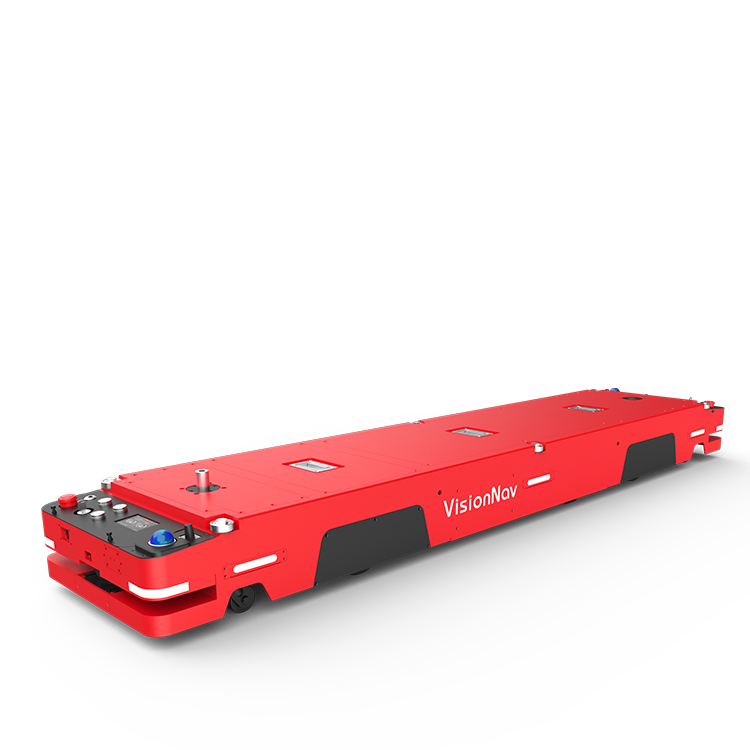
VisionNav's RCS fleet management system supports autonomous vehicle operations through intelligent task scheduling, dynamic path planning, and traffic management.
By integrating with warehouse and production systems, RCS 2.0 helps coordinate material movement across multiple processes and operating areas.
For facilities managing different autonomous vehicle types, centralized scheduling can also support mixed-fleet coordination, subject to vehicle compatibility and application requirements.
The goal is to improve material flow across the entire operation rather than optimizing each vehicle independently.
Successful AGV fleet management requires more than sending robots from one location to another.
Intelligent task dispatching, coordinated traffic management, strategic charging, and system integration all contribute to effective fleet performance.
As vehicle counts increase, these capabilities become essential for reducing bottlenecks, improving utilization, and supporting consistent material flow.
One robot moves materials. A coordinated fleet moves operations forward.
Explore VisionNav's autonomous vehicle solutions and RCS 2.0 fleet management capabilities to learn how coordinated automation can support your operation.