
Warehouse space is a valuable resource, and for many manufacturers and distribution centers, finding more of it isn't easy.
As inventory grows, product lines expand, and throughput demands increase, facilities often reach a point where existing storage and material handling processes struggle to keep up. Aisles become congested, temporary storage areas become permanent, and valuable floor space is consumed by inefficient material movement.
The obvious solution might seem to be a larger warehouse, but expansion comes with significant costs, operational disruption, and long-term commitments.
What if the answer isn't more space, but better use of space?
Warehouse automation without expansion offers a better alternative. By combining intelligent material handling equipment, optimized storage layouts, and automated workflows, businesses can improve capacity and efficiency within their existing footprint.
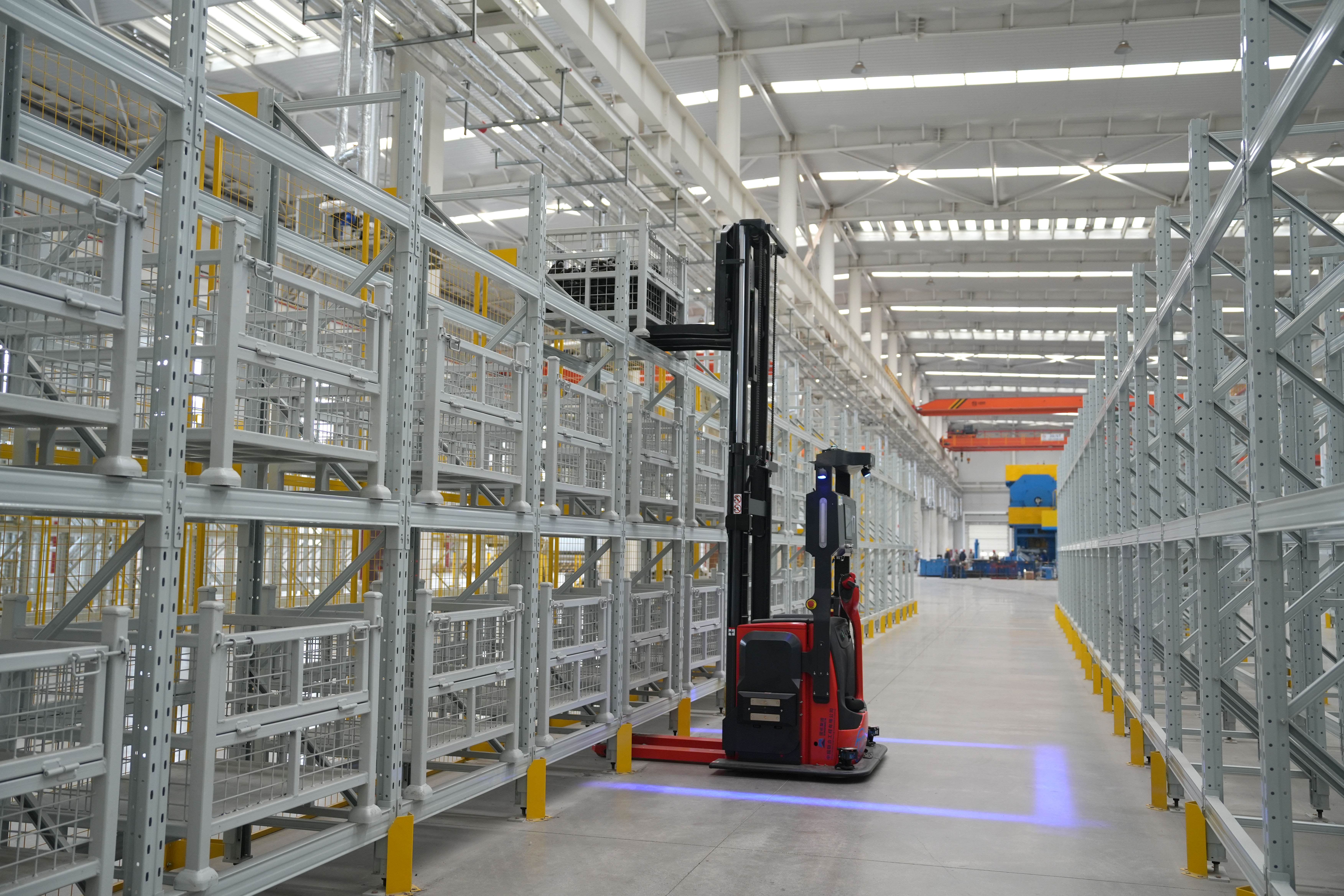
A warehouse can feel overcrowded even when its available space isn't being used efficiently. Traditional material handling operations often require substantial room for forklift maneuvering, temporary staging, and manual inventory movement. Over time, these requirements can limit the amount of usable storage space.
Common challenges include:
Wide operating aisles: Conventional forklifts require sufficient turning and maneuvering space, reducing the area available for storage.
Underutilized vertical space: Facilities may have unused storage potential above existing rack levels.
Excessive staging areas: Inefficient material flow can lead to pallets accumulating between processes.
Unbalanced inventory placement: Frequently accessed materials may be stored far from their destinations, increasing travel distances.
Traffic congestion: Shared forklift and pedestrian routes can create bottlenecks that limit throughput.
These challenges aren't always solved by adding more square footage.
In many cases, improving warehouse layout and material flow can unlock capacity that already exists within the facility.
Aisles are essential for warehouse operations, but they also occupy valuable floor space. Standard counterbalance forklifts require room to turn and align with storage racks. In facilities with extensive pallet storage, these requirements can account for a significant portion of the available footprint.
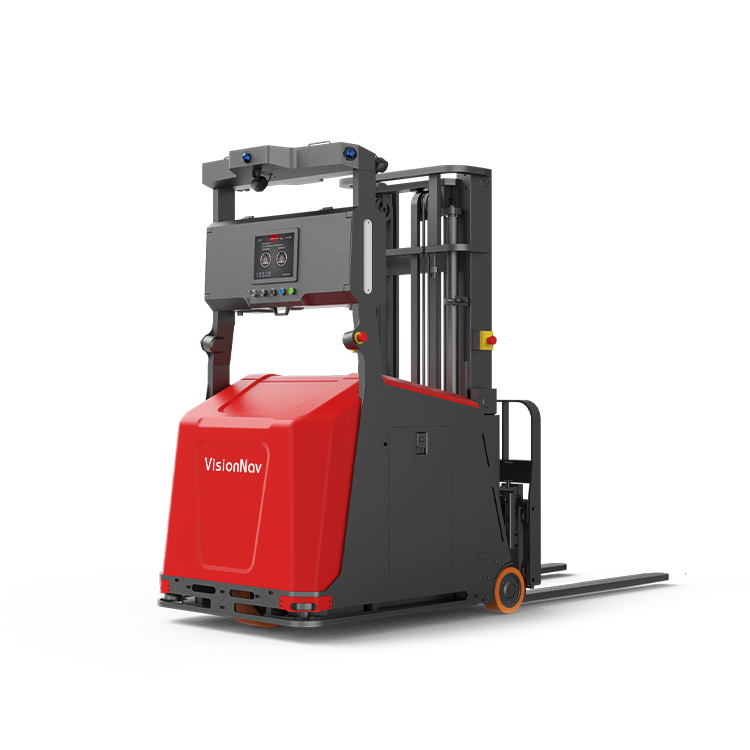
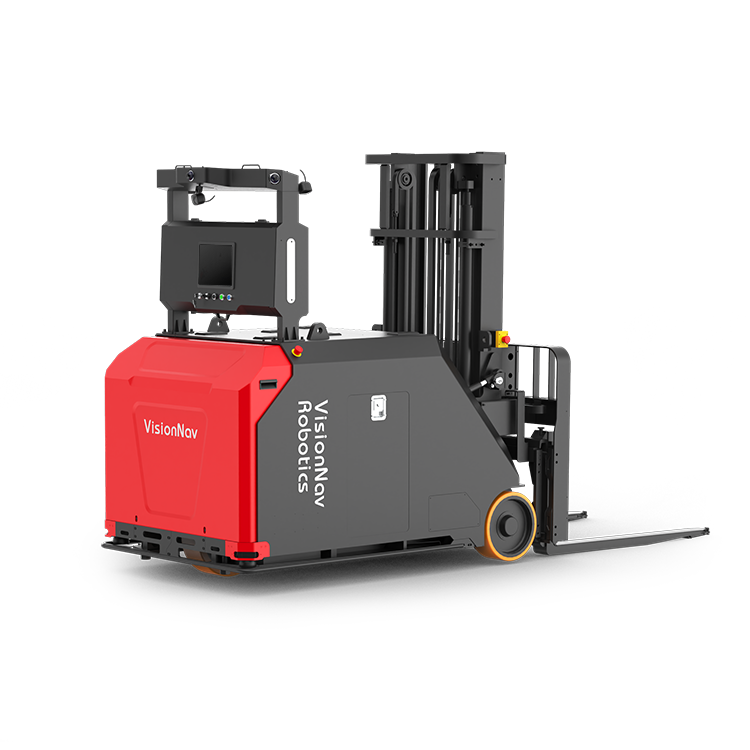
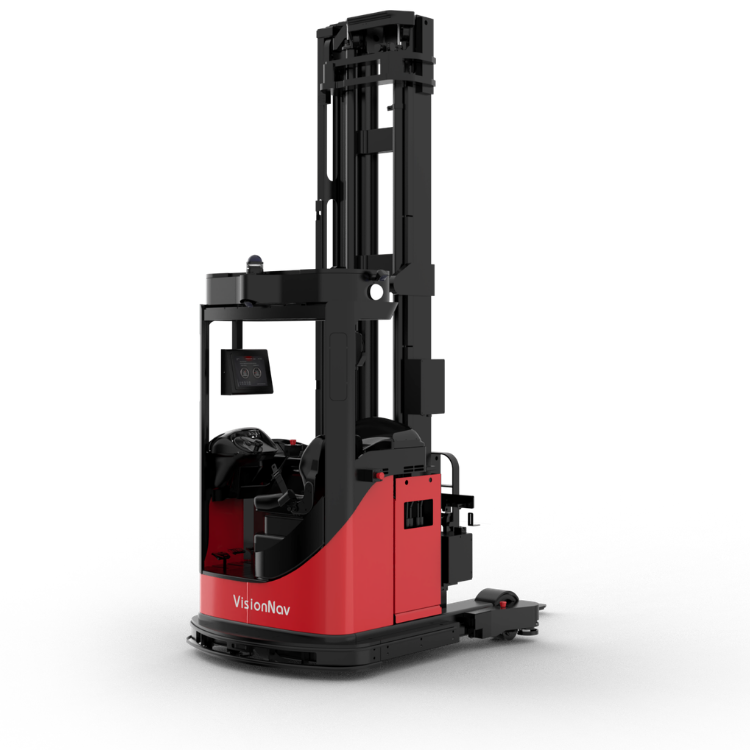
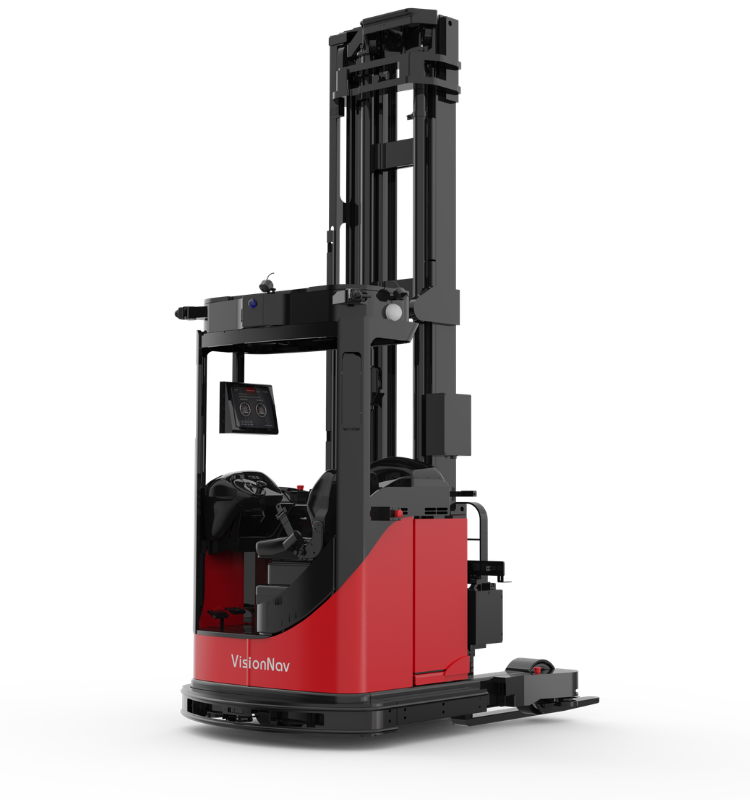
Narrow aisle autonomous forklifts and automated reach trucks offer an alternative.
Designed for tighter operating environments, these vehicles can support pallet storage and retrieval with reduced maneuvering requirements.
Some very narrow aisle autonomous forklifts use rotating fork mechanisms to access racking without turning the entire vehicle toward the storage location.
The opportunity: Narrower aisles may allow additional racking or pallet positions within the same building.
However, achievable aisle widths depend on vehicle configuration, pallet dimensions, rack geometry, and safety requirements. Facilities should validate these factors before modifying existing layouts.
When floor space is limited, the next opportunity may be overhead.
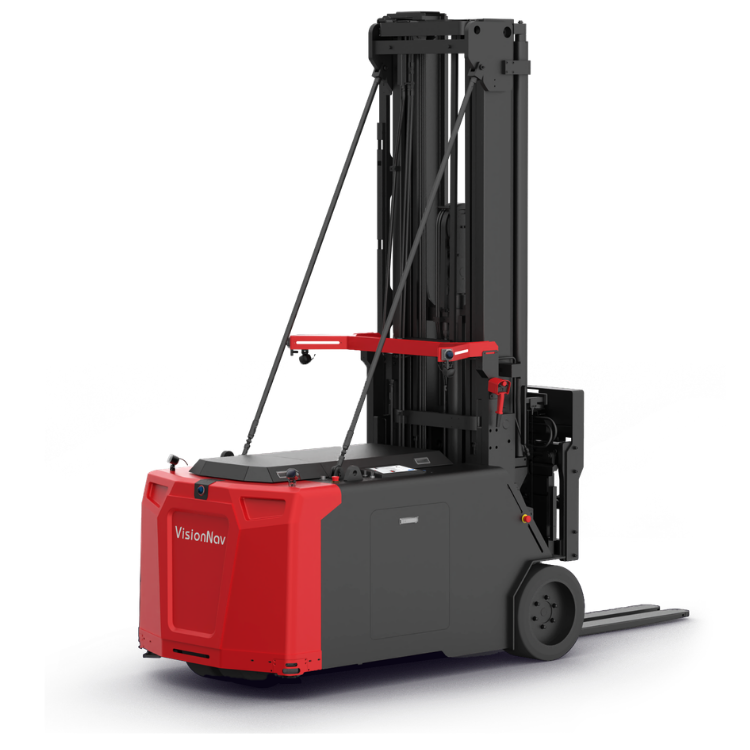
High-bay racking and automated lifting equipment can help facilities increase storage capacity by utilizing available building height.
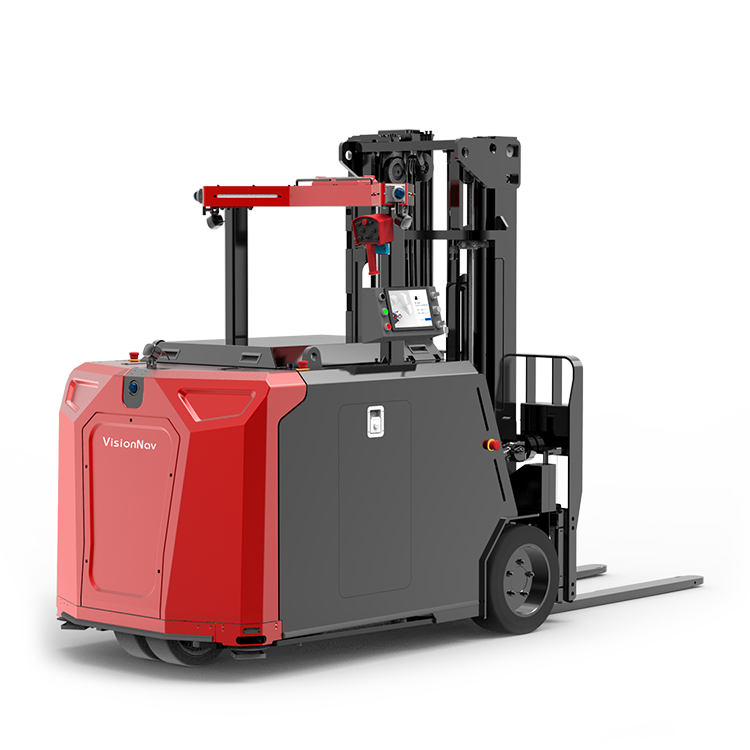
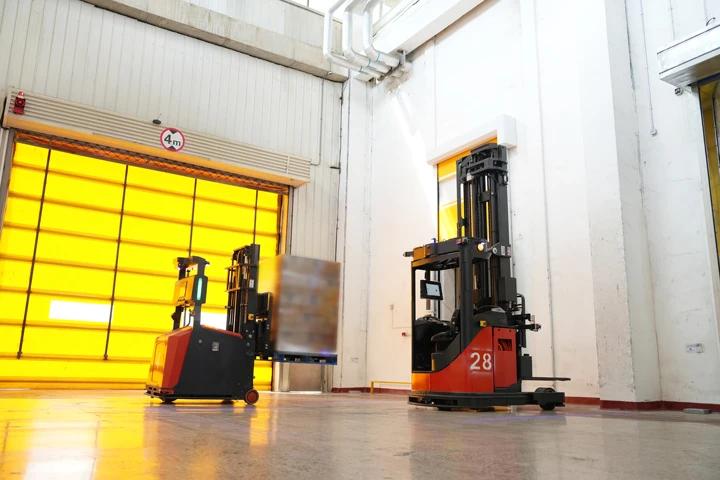
Autonomous reach trucks and other high-lift vehicles can support storage and retrieval operations at elevated rack positions, reducing dependence on manual forklift operation.
For manufacturers handling specialized containers, autonomous stacking solutions may also provide opportunities to organize compatible loads vertically.
For example, VisionNav Robotics offers autonomous forklift solutions designed for high-level storage and multi-layer industrial cage stacking.
The objective isn't simply to stack materials higher. It's to increase usable storage capacity while maintaining safe access, reliable retrieval, and efficient material flow.
Facilities must also account for building height, sprinkler clearances, rack capacity, floor loading, and applicable safety requirements.
Not all warehouse space constraints are caused by insufficient racking.
In many facilities, valuable floor space is occupied by pallets waiting to be moved between receiving, storage, production, and shipping.
These temporary staging areas can grow when material handling capacity fails to match production demand.
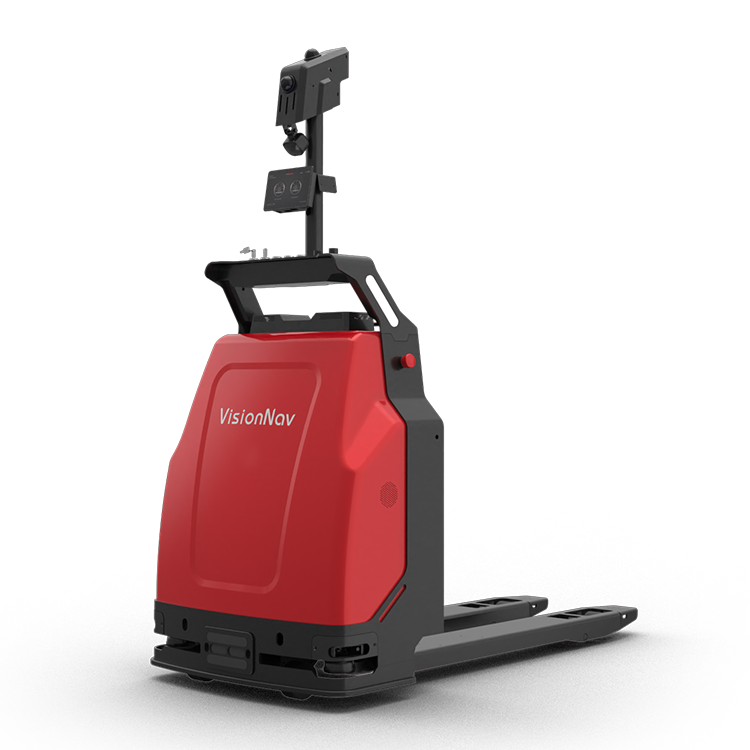
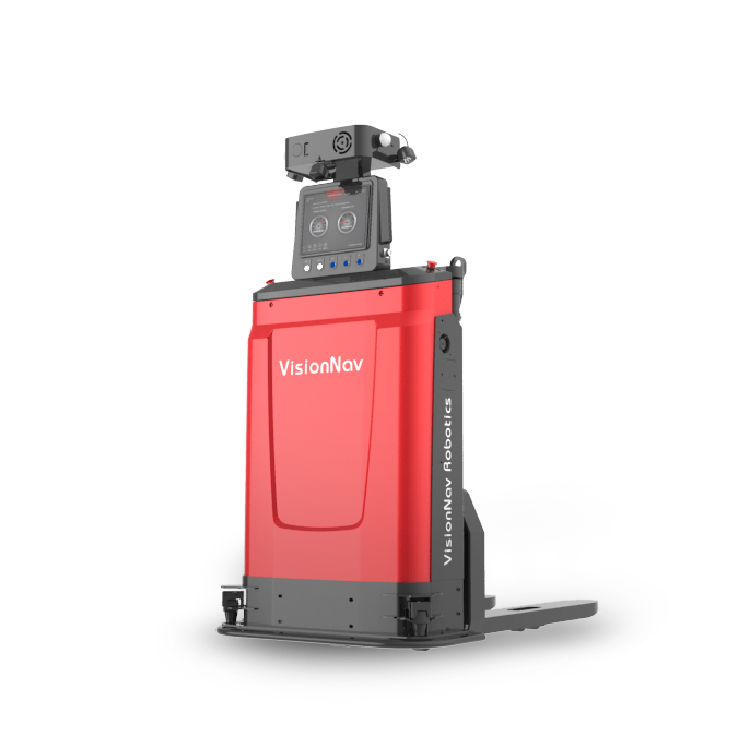
Autonomous mobile robots (AMRs) and automated guided vehicles (AGVs) can help establish more consistent material movement between designated locations.
By automating repetitive transportation tasks, facilities may be able to reduce delays and prevent unnecessary accumulation of materials.
For example, automated vehicles can transport finished goods from production to storage or deliver materials to workstations based on operational demand.
When properly coordinated with production and warehouse systems, these workflows can reduce unnecessary waiting and improve the use of available floor space.
The opportunity: Recover space currently occupied by avoidable staging and material handling bottlenecks.
Adding automation doesn't automatically eliminate congestion.
In fact, poorly coordinated vehicle movements can create new bottlenecks, particularly in facilities with narrow aisles and shared operating areas.
Effective warehouse automation requires coordination between vehicles, tasks, and traffic patterns.
AGV fleet management software can support:
Automated task assignment based on operational priorities
Dynamic route planning and traffic coordination
Management of shared intersections and restricted areas
Vehicle charging and availability scheduling
Integration with warehouse and production management systems
For example, VisionNav's RCS 2.0 fleet management system supports coordinated vehicle dispatching and traffic management across automated material handling operations.
By improving how vehicles move throughout a facility, businesses can reduce unnecessary travel and make better use of existing transportation routes.
The goal is to increase throughput without requiring additional space for equipment movement or material accumulation.
Warehouse space optimization isn't only about physical layout. It also depends on how inventory moves through the facility.
When storage and retrieval processes rely heavily on manual coordination, materials may be placed in inconvenient locations, moved multiple times, or left waiting for available equipment.
Integrating autonomous forklifts with warehouse management systems (WMS) and warehouse control systems (WCS) can help coordinate material movement with inventory requirements.
Depending on the application, integrated automation can support:
Automated putaway and retrieval assignments
Movement of pallets to designated storage locations
Coordination between autonomous vehicles and conveyor systems
Reduced unnecessary material transfers
Improved visibility into material movement and task completion
This allows facilities to optimize both storage utilization and the processes that support it.
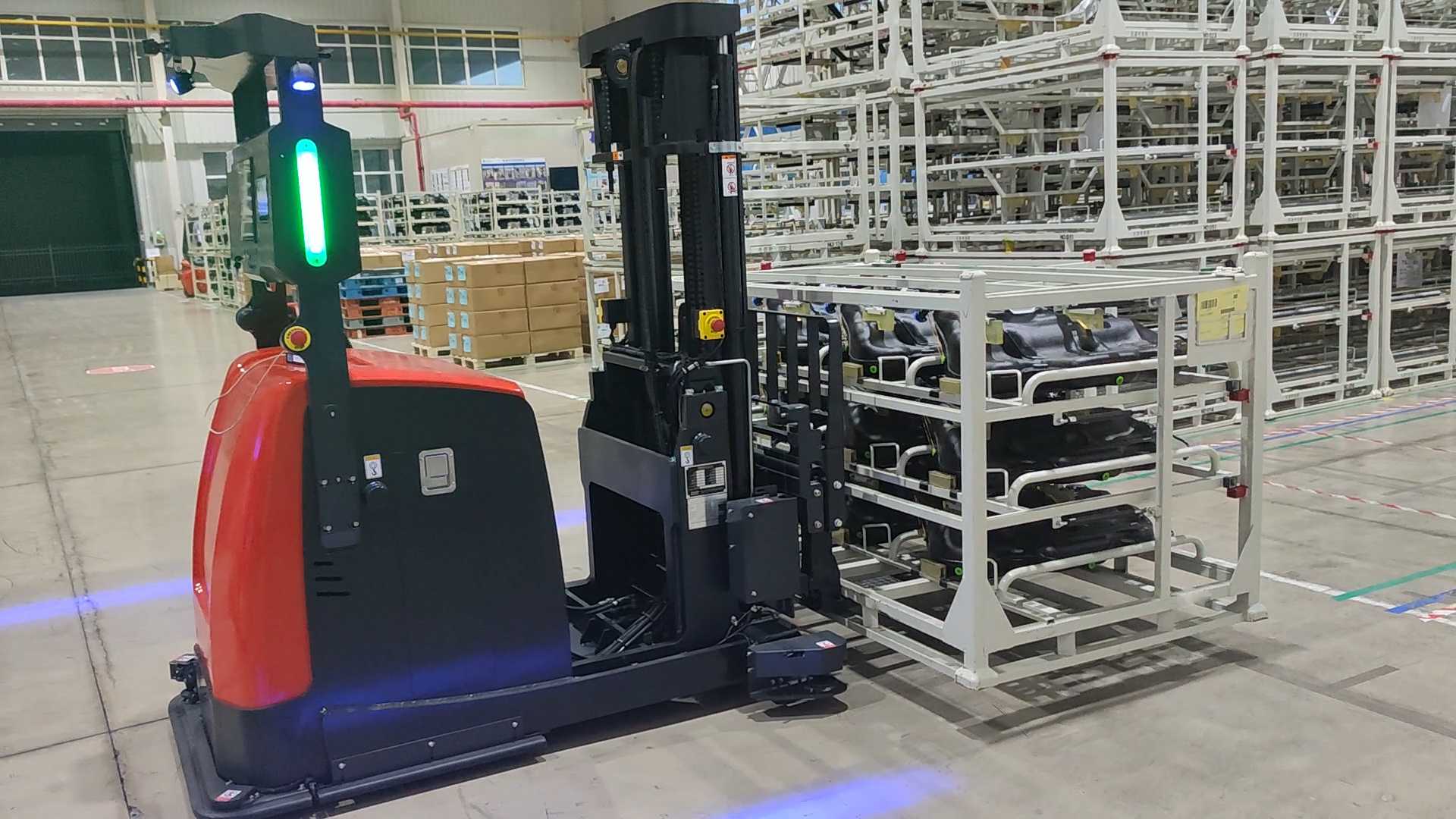
Expanding a warehouse introduces costs that extend well beyond construction or leasing.
Additional square footage may require new racking, equipment, utilities, staffing, and ongoing facility maintenance.
Warehouse automation can provide an alternative, but the financial case should be evaluated carefully.
A useful comparison includes:
| Cost / operational factor | Warehouse expansion | Automation within existing facility |
|---|---|---|
| Storage capacity | Adds physical space | Improves utilization of existing space |
| Initial investment | Construction, lease, infrastructure | Equipment, software, integration |
| Operational disruption | Construction or relocation | Installation and process changes |
| Efficiency | Depends on new layout / equipment | Can improve through automated workflows |
| Long-term costs | Additional facility overhead | Maintenance, support, energy, software |
| Scalability | Added space may support growth | Depends on layout, fleet capacity, and throughput |
The strongest autonomous forklift ROI may come from combining several improvements rather than focusing on a single metric. A facility might increase available pallet positions through narrower aisles while also reducing repetitive forklift travel through automated storage and retrieval.
Before investing in warehouse automation, manufacturers should evaluate how effectively their existing space is being used.
Start with five questions:
1. How much of your warehouse is dedicated to storage versus movement?
Review aisle widths, staging areas, traffic routes, and unused floor space.
2. Are you utilizing available vertical space?
Evaluate existing rack heights, building clearances, and opportunities for higher-density storage.
3. Where do material handling bottlenecks occur?
Identify areas where pallets accumulate, vehicles wait, or materials require repeated handling.
4. Could your existing workflows support automation?
Assess pallet types, load dimensions, floor conditions, system integration requirements, and traffic patterns.
5. What capacity improvements would justify the investment?
Define measurable targets such as additional pallet positions, reduced travel time, improved throughput, or avoided expansion costs.
A site assessment and operational simulation can help identify where automation will provide the greatest value before committing to equipment or layout changes.
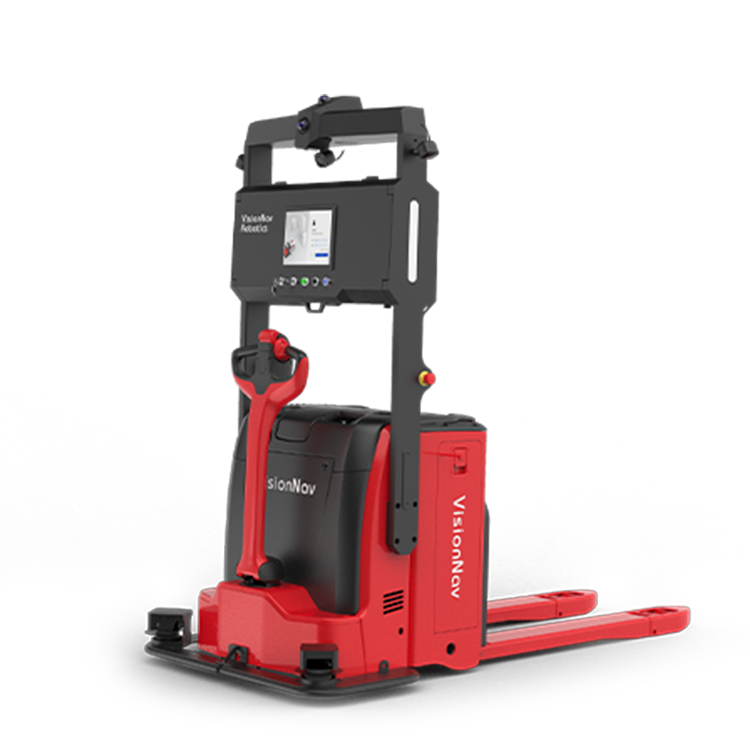
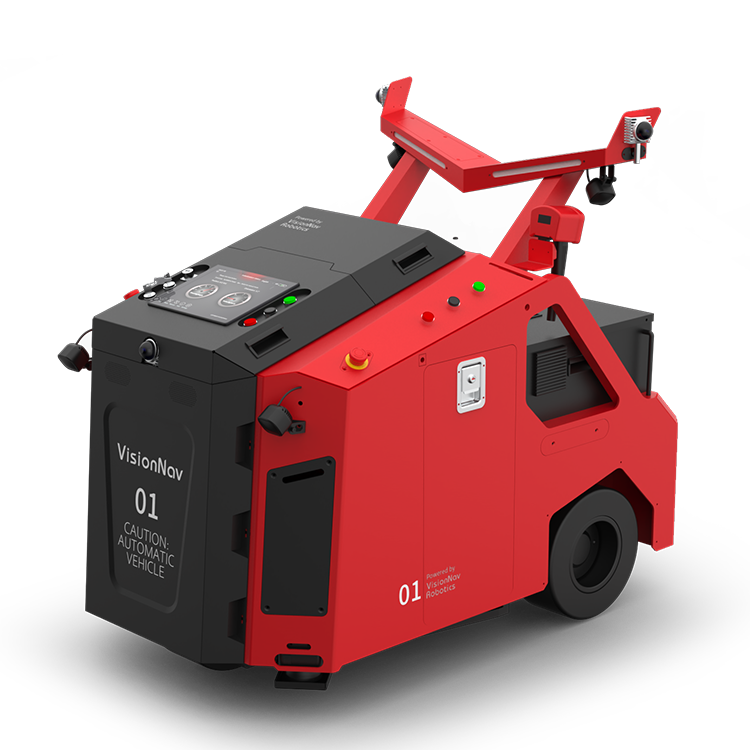
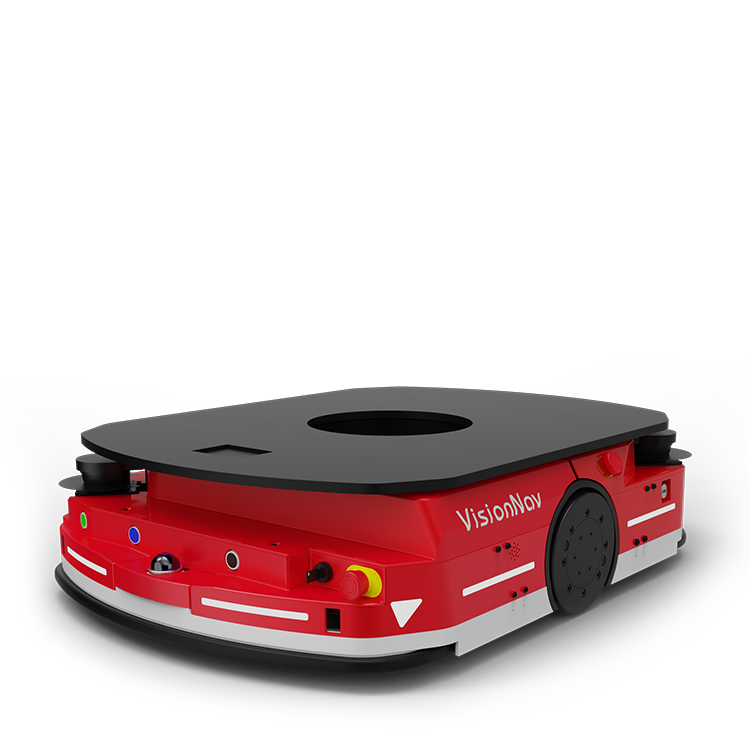
VisionNav Robotics develops autonomous material handling solutions designed to improve efficiency across manufacturing and warehouse environments. Its portfolio includes autonomous reach trucks, narrow aisle solutions, pallet stackers, and specialized industrial vehicles for applications involving high-density storage and complex material movement.
Through advanced navigation, precision load handling, and RCS 2.0 fleet management, VisionNav solutions can support automated storage, retrieval, and transportation workflows.
By evaluating facility layouts, storage requirements, and material flow patterns, VisionNav works with manufacturers to identify automation opportunities suited to their existing operations.
Running out of warehouse space doesn't always mean it's time to build a bigger facility.
Narrow aisle automation, vertical storage, improved material flow, and intelligent fleet management can help businesses increase usable capacity within their existing footprint.
The key is understanding where space is being lost and selecting solutions that address those constraints without compromising throughput or operational flexibility.
Before investing in more square footage, consider how much more your existing warehouse could do.
Looking to increase storage capacity or improve material flow without expanding your facility?
VisionNav Robotics can help evaluate your warehouse layout, material handling requirements, and opportunities for automation.
Yes. Depending on the facility, automation can support narrower aisles, higher-density storage, improved vertical space utilization, and more efficient material movement.
Specialized autonomous forklifts, including narrow aisle and VNA vehicles, can operate in tighter storage environments than conventional counterbalance forklifts, potentially allowing more space for racking.
It can be, particularly when automation delays or avoids the need for additional facilities. However, the financial advantage depends on implementation costs, capacity requirements, and long-term operating expenses.
In some applications, yes. Compatibility depends on aisle widths, rack geometry, load dimensions, floor conditions, and vehicle specifications. Some facilities may require layout modifications.
Begin with a facility assessment to identify underutilized storage areas, inefficient material flows, traffic bottlenecks, and opportunities for higher-density storage or automation.